
How Does a Standby Generator Work? A Simple Guide for Homeowners
October 6, 2026
or give us a call at

A standby generator is a permanently installed backup power system that turns on by itself when the utility power goes out. It sits outside on a pad, runs on natural gas or propane, and connects to your electrical system through an automatic transfer switch. When the switch senses an outage, it signals the generator to start, waits a few seconds for it to reach stable power, and then moves your home's circuits from the utility line to the generator. When utility power returns, the switch moves your home back and the generator cools down and shuts off. You do not need to be home for any of it to happen.
Cahill Electrical Services, LLC is a licensed and insured Connecticut electrical contractor (CT License #E1200185) based in North Haven, serving homes and businesses across the New Haven area since 2013. Our electricians handle generator sizing, transfer switch installation, electrical connections, and start-up testing. This guide explains what each part of a standby system does and what it means for your home.
In This Guide
- The Main Parts of a Standby Generator: What each component does.
- What Happens When the Power Goes Out: Step by step.
- How the Transfer Switch Works: The heart of the system.
- Fuel: Natural Gas or Propane: How it is powered.
- Whole-House vs. Essential Circuits: What it can run.
- Standby vs. Portable Generators: Key differences.
- Installation and Placement: What the job involves.
- Maintenance and Self-Testing: Keeping it ready.
- Generators, Electronics, and Surge Protection: Protecting equipment.
- Frequently Asked Questions: Quick answers.
The Main Parts of a Standby Generator
A standby system is more than the generator box you see beside the house. It is a set of components that work together.
| Component | Where It Is | What It Does |
|---|---|---|
| Engine | Inside the generator enclosure | Burns natural gas or propane to create mechanical power |
| Alternator | Inside the generator enclosure | Converts the engine's motion into electricity |
| Controller | On the generator | Monitors the system, starts the engine, and runs self-tests |
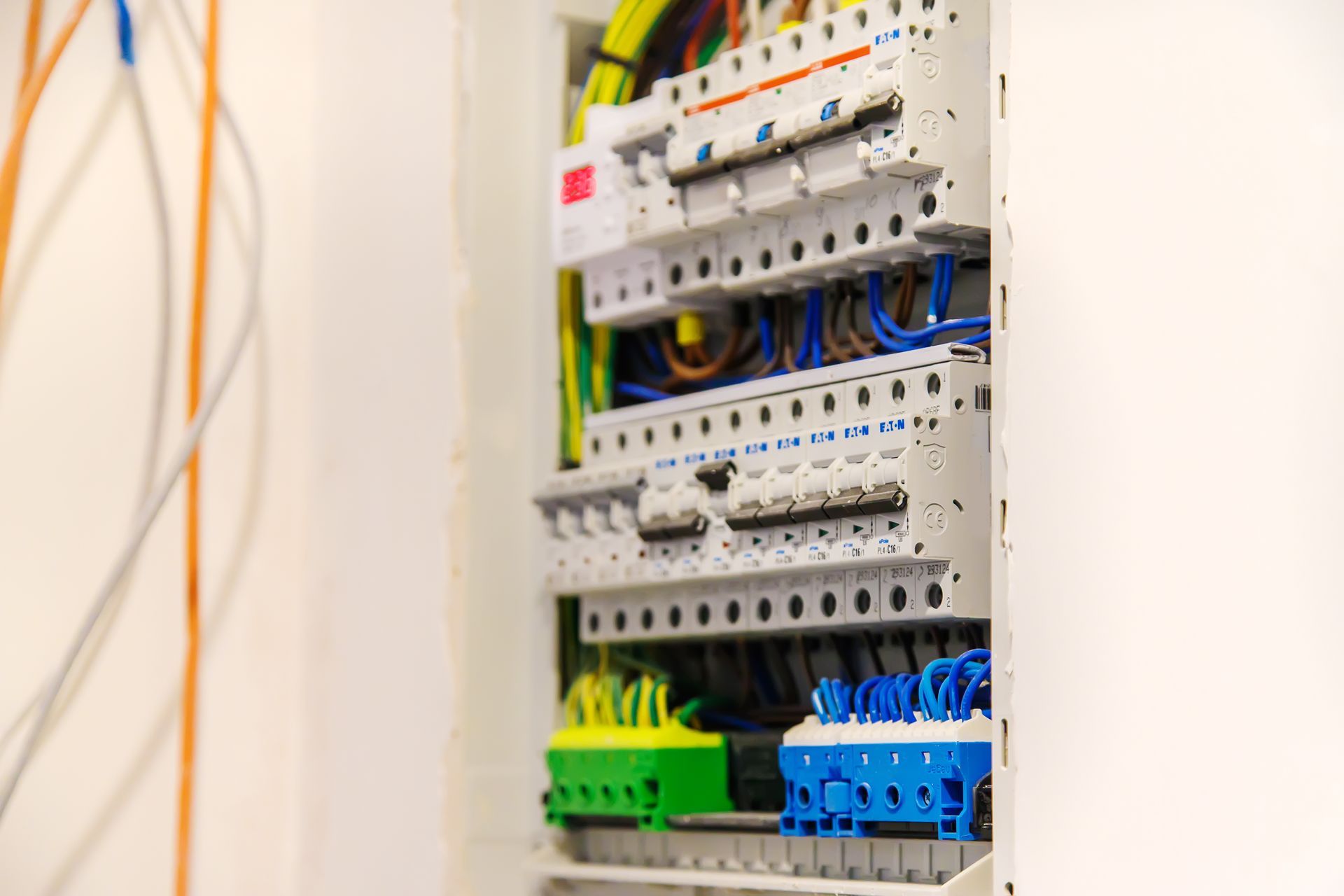
| Automatic transfer switch | Near your main electrical panel | Senses outages and switches your home between utility and generator power |
| Fuel supply | Gas line or propane tank | Feeds the engine continuously |
| Battery | Inside the generator | Powers the controller and starts the engine |
The Enclosure
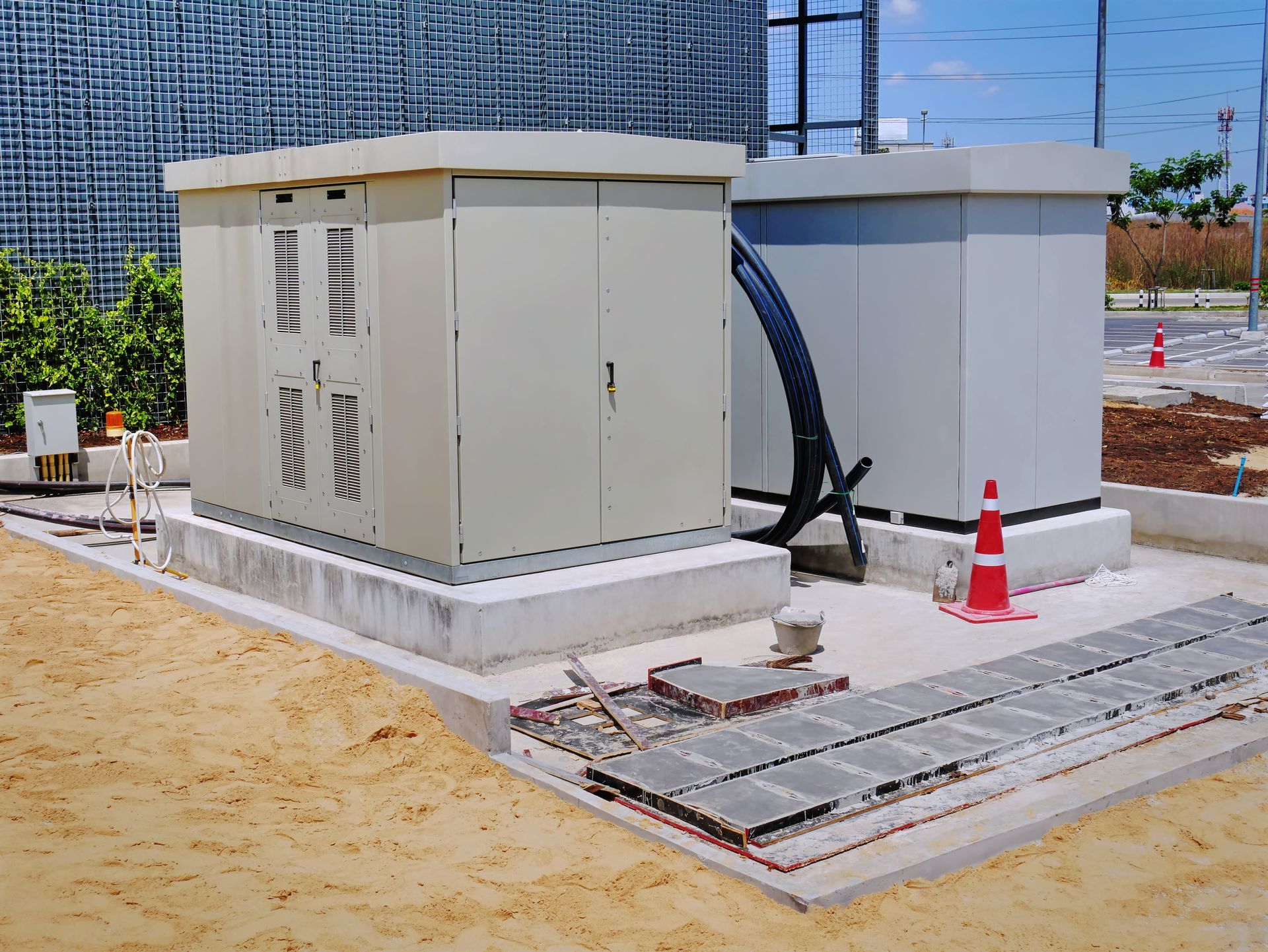
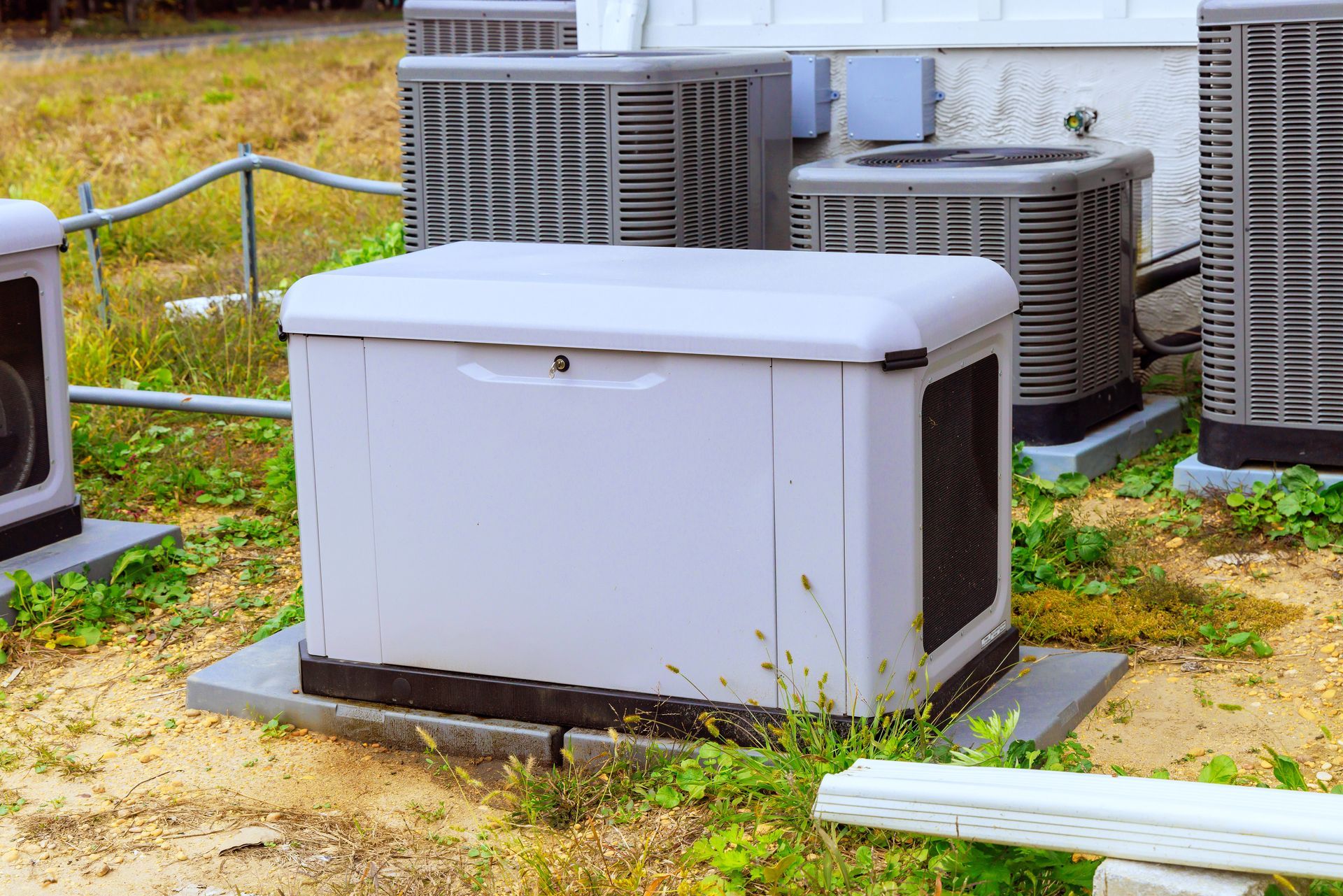
The generator itself sits in a weatherproof, sound-dampened enclosure on a concrete or composite pad outside the home. It is designed to run in rain, snow, and cold. Enclosures also keep the noise down, so many units are often compared to a central air conditioner in loudness when running.
What Happens When the Power Goes Out
The whole process is automatic. Here is what happens during a typical outage:
- The transfer switch senses the outage. It constantly monitors the utility voltage. When power drops or fails, it starts a short delay to make sure the outage is real and not just a flicker.
- The generator starts. The transfer switch signals the generator's controller, and the engine starts using its battery.
- The generator stabilizes. The engine runs for a few seconds to reach the correct speed and voltage.
- The transfer switch moves your home to generator power. It disconnects your home from the utility line and connects it to the generator.
- Your home runs on backup power. Lights, heat, and appliances on the covered circuits come back on, usually within seconds of the outage.
- Utility power returns. The transfer switch senses stable utility power, waits a short time to confirm it, and moves your home back.
- The generator cools down and shuts off. It runs briefly without a load before stopping, then returns to standby mode.
This all happens whether you are home, at work, or away on vacation. Many homeowners do not even realize the power went out until they see the alert on their phone or notice the neighbors' houses are dark.
How the Transfer Switch Works
The automatic transfer switch is what makes a standby generator automatic, and it is also an important safety device.
Keeping Two Power Sources Apart
The transfer switch makes sure your home is connected to either the utility or the generator, never both at once. That prevents generator power from flowing back into the utility lines, which is called backfeed. Backfeed can seriously injure or kill utility workers who are repairing lines during an outage, and it can damage the generator when utility power returns.
Whole-House or Load-Managed Switches
Some transfer switches send generator power to the entire main panel. Others work with load management modules that temporarily turn off large appliances, like a central air conditioner or electric range, so the generator is not overloaded. This lets a moderately sized generator power most of a home.
Why Installation Matters
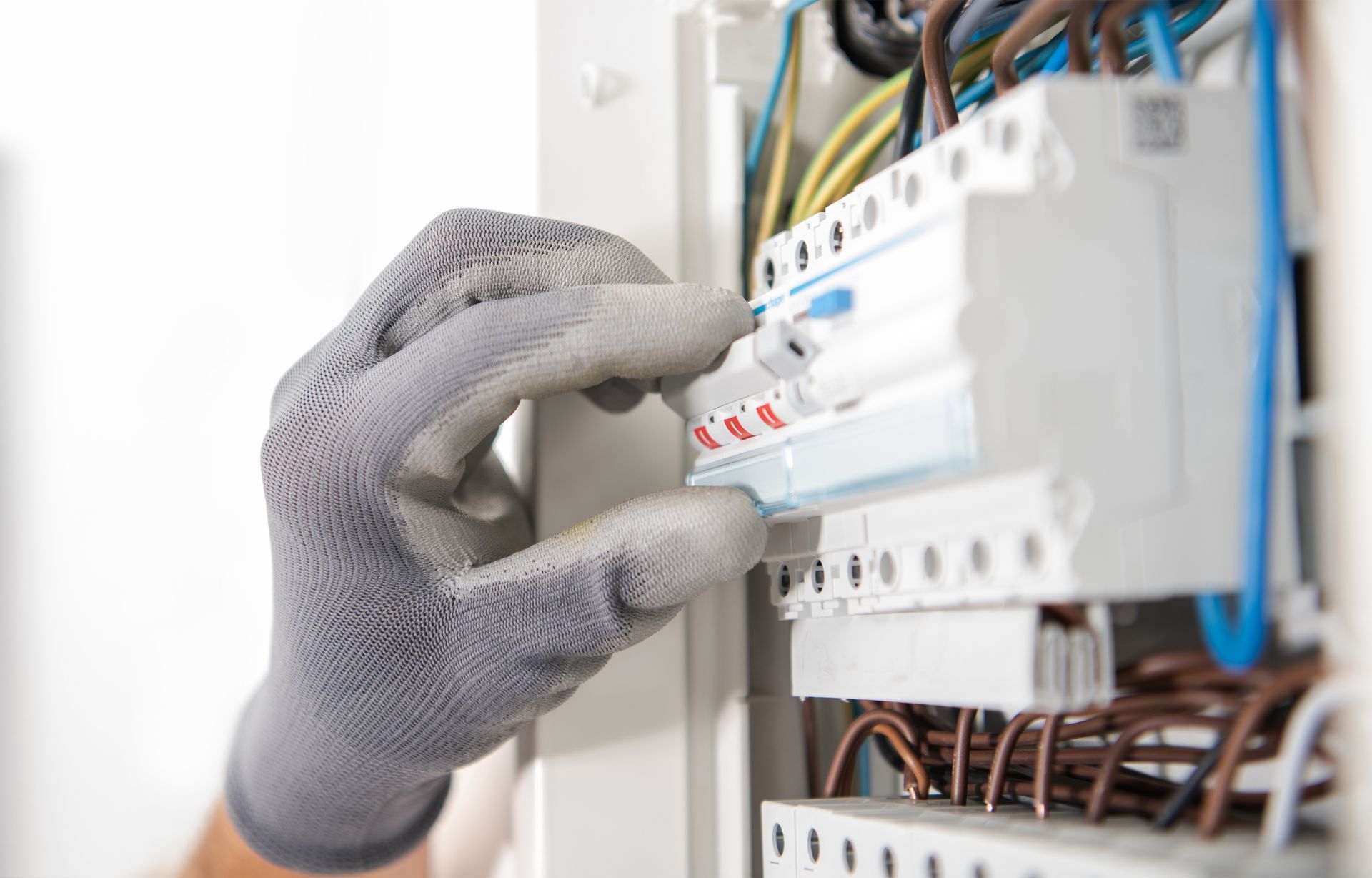
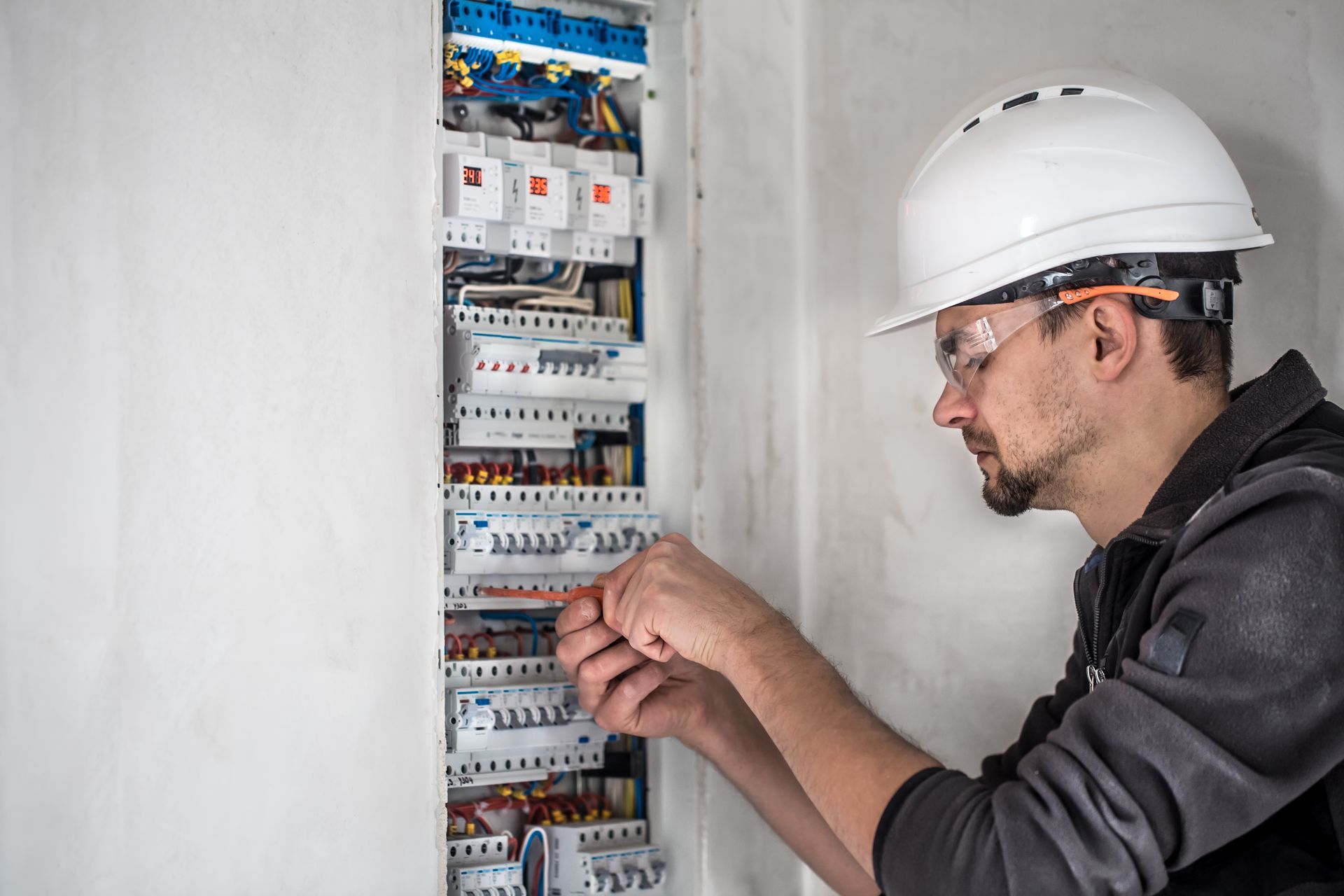
The transfer switch ties directly into your electrical service, so it must be installed by a licensed electrician to code, with the required permits and inspections.
Fuel: Natural Gas or Propane
Standby generators run on fuel that is piped to the unit, so there is no refilling gas cans during a storm.
Natural Gas
If your home has natural gas service, the generator can connect to your gas line. It will run as long as gas service continues, which is usually throughout electrical outages. The gas meter and piping must be able to supply the generator along with your other gas appliances.
Propane
Homes without natural gas can use propane from an above-ground or buried tank. Run time depends on tank size and how hard the generator is working. A larger tank provides more days of backup during extended outages.
Fuel and Output
Many generators produce somewhat less power on natural gas than on propane, which is factored in when sizing the system. Our guide on
what size standby generator you need explains how capacity is calculated.
Whole-House vs. Essential Circuits
How much of your home the generator powers depends on its size and how it is wired.
Essential Circuits
A smaller generator can power selected circuits, such as the furnace or boiler, well pump, sump pump, refrigerator, some lights and outlets, and internet equipment. This is often the most budget-friendly approach.
Whole-House Coverage
A larger generator, or a moderate one paired with load management, can power nearly everything in the home. This gives you a normal routine during an outage, including central air in summer.
What to Consider
Think about how long outages typically last in your area, who is in the home, whether anyone relies on medical equipment, and whether you have a well or sump pump that must keep running. Our guide to
standby generator cost in Connecticut explains how coverage level affects price.
Standby vs. Portable Generators
Both can provide backup power, but they work very differently:
- Startup: A standby generator starts automatically. A portable generator must be wheeled out, fueled, and started by hand.
- Fuel: Standby units run on natural gas or propane from a fixed supply. Portables usually need gasoline that must be stored and refilled.
- Capacity: Standby generators can power much more of the home. Portables typically cover only a few essentials.
- Connection: Standby units connect through a transfer switch. Portables should connect through a properly installed inlet and interlock or transfer switch, never through a backfeed cord.
- Safety: Portables create carbon monoxide risk if run too close to the home. Standby units are permanently placed at code-required distances.
A portable generator can be a reasonable low-cost option. A standby generator is the choice for homeowners who want automatic, hands-free protection.
Installation and Placement
Choosing the Location
Generators are placed outside on a level pad, with clearances from windows, doors, vents, and combustible materials set by the manufacturer, codes, and local officials. The location also needs to be close enough to the gas supply and electrical panel to keep runs practical.
What the Installation Involves
A typical installation includes setting the pad and generator, running the gas line, installing the transfer switch, wiring between the generator and the panel, and start-up testing. In Connecticut, permits and inspections are typically required for the electrical and gas work.
Panel Capacity
Older panels sometimes need upgrades or modifications to accommodate a transfer switch. If your panel is aging, our guides to
electrical panel upgrade cost and
200-amp panel upgrade cost explain what is involved.
Maintenance and Self-Testing
Automatic Exercise Cycles
Most standby generators run a brief self-test on a set schedule, often weekly or every other week. During this exercise cycle, the engine starts and runs for a few minutes to keep parts lubricated, the battery charged, and to confirm everything works.
Routine Service
Like any engine, a standby generator needs regular maintenance, including oil and filter changes, spark plug inspection, battery testing, and a check of the transfer switch. Following the manufacturer's maintenance schedule helps it start reliably when you need it.
Remote Monitoring
Many current generators offer Wi-Fi or cellular monitoring that sends alerts to your phone when the generator runs, completes a self-test, or needs service. That is especially useful if you travel or own a second home.
Winter Readiness
In Connecticut winters, keep snow cleared from around the enclosure and its air intake and exhaust openings, and make sure snow plowed or shoveled near the house does not bury the unit. A cold-weather kit, such as a battery warmer, may be recommended in some installations.
How Long They Last
With proper maintenance, standby generators can serve a home for many years. Our guide on
how long standby generators last covers typical lifespan and what affects it.
Generators, Electronics, and Surge Protection
Modern standby generators are designed to produce stable power suitable for household electronics, but the moments around an outage can still be hard on sensitive equipment.
Surges When Power Returns
When utility power is restored after a storm, voltage spikes can travel through the lines. A whole-house surge protector at the panel helps protect appliances, HVAC controls, and electronics during those transitions. Our guides on how a whole-house surge protector works and whether one is worth it explain the details.
A Good Pairing
Many homeowners add surge protection at the same time as a generator, since the electrician is already working at the main panel.
Why Connecticut Homeowners Invest in Standby Power
Connecticut has seen major outages from hurricanes, tropical storms, nor'easters, and heavy wet snow that brings down trees and lines. Storms like Irene and the October 2011 nor'easter, and more recently Isaias in 2020, left large numbers of homes without power, some for days. For homes that depend on a well pump, sump pump, or medical equipment, or for anyone who works from home, automatic backup power provides real peace of mind. A standby generator can also be an attractive feature when you sell, as we explain in our guide on
whether a standby generator adds home value.
Talk to a Licensed Electrician About Standby Power
If you are considering a standby generator, our team can assess your electrical system, help you choose the right size and coverage, and handle the installation from start to finish. Learn more about our generator and backup power services or browse our FAQ.
Call Cahill Electrical Services at (203) 468-0034 or
contact us. We are based in North Haven and serve homeowners throughout New Haven County and nearby communities.
Frequently Asked Questions
How long does it take a standby generator to turn on?
Most standby generators restore power within seconds of an outage. The transfer switch waits briefly to confirm the outage, the generator starts and stabilizes, and then the switch transfers your home to generator power.
Does a standby generator turn on automatically?
Yes. The automatic transfer switch senses when utility power is lost and signals the generator to start. It also switches your home back to utility power and shuts the generator off when power returns, all without anyone needing to be home.
How long can a standby generator run?
On natural gas, a generator can run as long as gas service continues and the unit is maintained. On propane, run time depends on tank size and the load. Extended run times still call for checking oil and following the manufacturer's guidance.
Can a standby generator power my whole house?
It can, if it is sized for your home's needs or paired with load management that temporarily cycles off large appliances. Smaller generators can be set up to power only essential circuits.
What is the difference between a standby generator and a portable generator?
A standby generator is permanently installed, runs on natural gas or propane, and starts automatically. A portable generator must be set up, fueled, and started by hand, and it usually powers far fewer circuits.
Recent Posts