
Does Installing an EV Charger Increase Your Home's Value?
October 19, 2026
or give us a call at

An EV charger can make your home more attractive to buyers and may help it sell faster, but it is not a guaranteed dollar-for-dollar boost to your appraisal. Zillow has reported that homes mentioning EV charging in their listings sold for about 1.5 percent more than comparable homes, though part of that difference likely reflects other upgrades those homes tend to have. The value is strongest when the installation is clean, permitted, and paired with an electrical panel that can handle the load. For many Connecticut homeowners, the best reason to install one is daily convenience, with resale appeal as a bonus.
Cahill Electrical Services, LLC is a licensed and insured Connecticut electrical contractor (CT License #E1200185) based in North Haven, serving homes and businesses across the New Haven area since 2013. We install Level 2 EV chargers, upgrade panels to support them, and handle the permits and inspections that make an installation count when it is time to sell. This guide explains what an EV charger does and does not do for your home's value.
In This Guide
- What the Data Says About EV Chargers and Home Value: Studies and their limits.
- Why an EV Charger Can Help a Home Sell: Buyer appeal.
- Why the Value Is Not Guaranteed: Appraisals and markets.
- Level 1, Level 2, and EV-Ready Options: What adds the most.
- Hardwired vs. Plug-In Chargers: A choice that matters.
- Panel Capacity and Your Electrical System: The hidden factor.
- What Makes an Installation Add Value: Permits and placement.
- Garage vs. Outdoor Installation in Connecticut: Where it goes matters.
- Condos, Townhomes, and Shared Parking: Association rules.
- Costs, Incentives, and Return: Weighing the investment.
- Frequently Asked Questions: Quick answers.


What the Data Says About EV Chargers and Home Value
Research on EV chargers and home prices is still developing, and it helps to read it carefully.
Listing Data
According to Zillow, homes that mention EV charging in their listing descriptions have sold for about 1.5 percent more than comparable homes that do not. Zillow and other real estate sites have also reported a growing number of listings mentioning EV chargers.
Correlation, Not Proof
Homes with EV chargers often have other upgrades too, like newer electrical panels, renovated garages, or updated kitchens. Some of the price difference may come from those features rather than the charger alone. Real estate agents frequently describe chargers as something that makes a home more appealing rather than something that directly adds a specific dollar amount.
Public Charging Studies
You may see higher figures quoted online. Some of those come from research on homes located near public charging stations, not homes with their own chargers. That is a different question, so treat those numbers with caution when thinking about a garage installation.
Why an EV Charger Can Help a Home Sell
Even when it does not show up as a line item on an appraisal, an EV charger can influence how buyers see a home.
It Saves Buyers a Project
A buyer who drives an EV, or plans to, would otherwise need to hire an electrician, possibly upgrade the panel, and wait for permits. A home that is already set up removes that hassle.
It Signals a Modern Electrical System
A professionally installed Level 2 charger suggests the home's electrical service can handle modern loads. That can be reassuring to buyers looking at older Connecticut homes.
It Widens the Buyer Pool
As more people in Connecticut drive EVs, a charger becomes a feature buyers search for, much like central air or a finished basement in years past.
It Can Shorten Time on Market
Some real estate data suggests homes with EV chargers sell faster. Faster sales mean fewer carrying costs and less price pressure.
Why the Value Is Not Guaranteed
A charger is a smart upgrade, but it is not like adding a bedroom.
Appraisals
Appraisers base value on comparable sales. In neighborhoods where few homes have chargers, there may be little data to support a higher appraised value.
Local EV Adoption
The value of a charger depends on how many buyers in your area drive EVs. It tends to matter more in communities with higher EV ownership.
Quality of the Installation
An unpermitted, poorly placed, or underpowered installation can raise questions during inspection rather than adding value.
Price Point
In higher-priced homes, buyers may expect a charger. In lower-priced homes, an expensive charging setup may not be fully reflected in the sale price.
Level 1, Level 2, and EV-Ready Options
Not every charging setup carries the same appeal.
| Option | What It Is | Value to Buyers |
|---|---|---|
| Level 1 | Plugs into a standard 120-volt outlet, charges slowly | Minimal, since nearly every home can do this |
| Level 2 charger | Dedicated 240-volt circuit with a mounted charger | Highest appeal, practical for daily driving |
| EV-ready circuit | Dedicated 240-volt circuit or outlet, no charger installed | Good appeal at lower cost, flexible for any brand |
| Level 2 with load management | Charger plus a device that balances household load | Valuable when panel capacity is limited |
Why EV-Ready Can Be Smart
If you are installing mainly for resale, an EV-ready circuit can offer much of the appeal at lower cost. Buyers can choose their own charger brand, and the hard part, running a properly sized circuit to the garage, is already done.
Hardwired vs. Plug-In Chargers
Level 2 chargers can be hardwired or plugged into a 240-volt outlet. This choice affects both daily use and how the installation looks to a future buyer.
Plug-In Chargers
Plug-in chargers connect to a 240-volt receptacle, commonly a NEMA 14-50. They are easy to swap, but outlets and plugs wear with frequent use, and current electrical codes generally require GFCI protection for these receptacles in garages, which can sometimes cause nuisance tripping with certain chargers.
Hardwired Chargers
A hardwired charger connects directly to the circuit. It can often deliver higher charging speeds, avoids plug wear, and looks like a permanent, professional installation to buyers.
Which Is Better for Resale
Either can add appeal if it is installed correctly and permitted. A clean, hardwired installation in a convenient spot often makes the best impression, while a properly installed outlet gives future owners flexibility.
Panel Capacity and Your Electrical System
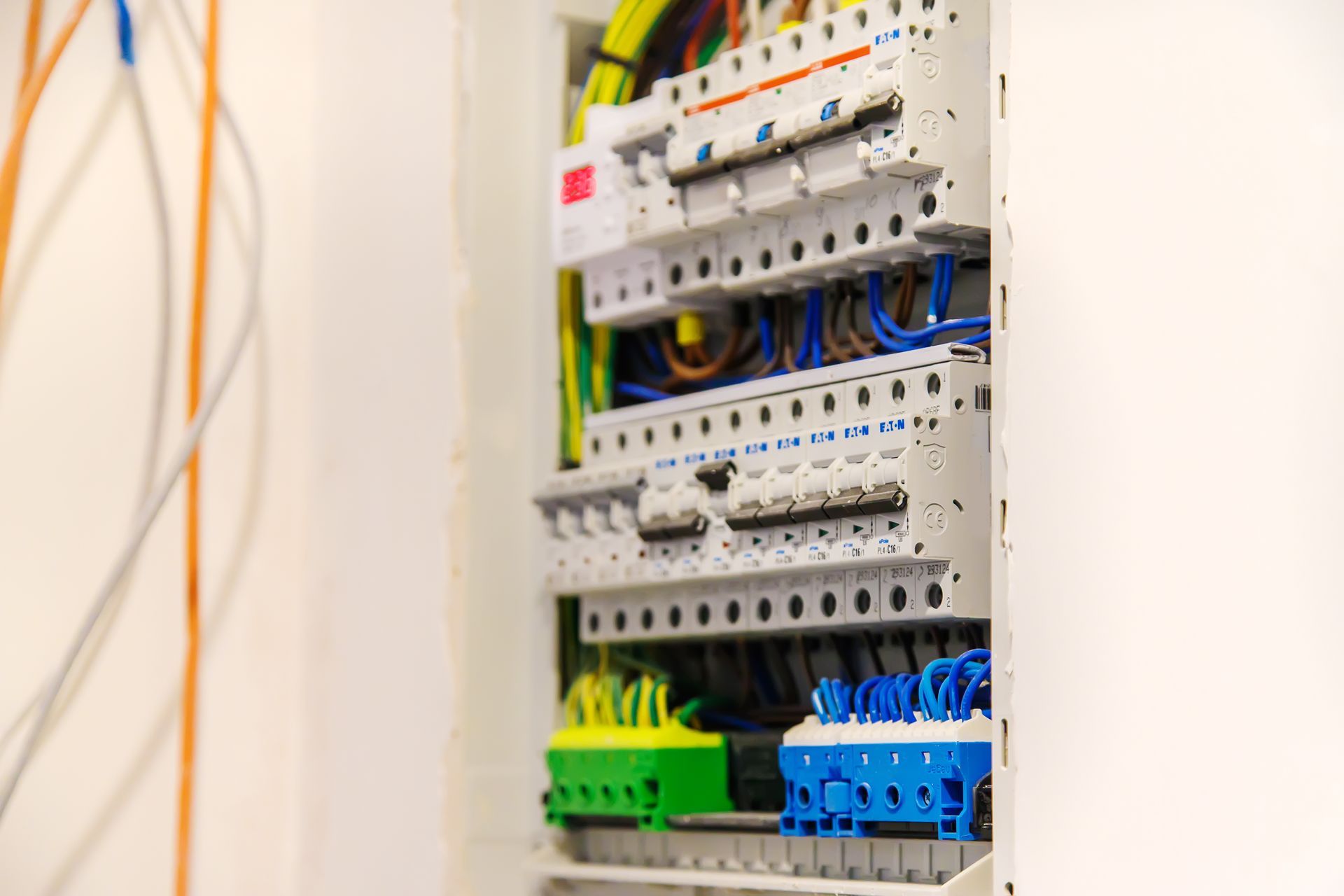
The charger itself is often the smallest part of the job. The real question is whether your electrical system can support it.
How Much Power a Charger Needs
A typical Level 2 charger draws a large, continuous load for hours at a time. Electrical code requires the circuit to be sized above the charger's rated current for continuous use, so a 40-amp charger generally needs a 50-amp circuit.
Older Connecticut Homes
Many older homes in the New Haven area have 100-amp service that is already busy with heating, cooking, and air conditioning. Adding a charger may require a panel upgrade, a service upgrade, or load management. Our guides to electrical panel upgrade cost and 200-amp panel upgrade cost explain what that involves.
Why This Adds Value Too
A panel upgrade done to support an EV charger also supports future additions like heat pumps, induction ranges, or a generator. That broader electrical capacity is often what buyers value most.
What Makes an Installation Add Value
Not all EV charger installations are equal in a buyer's eyes. These details make the difference:
- A permit and passed inspection, which documents that the work meets code.
- A licensed electrician, which buyers and home inspectors look for.
- A convenient location, close to where a car would normally park, with enough cable reach.
- A properly sized circuit that allows full charging speed.
- Clean wiring, in conduit where needed, with no extension cords or improvised connections.
- Documentation, including the permit, charger model, and warranty, ready for the buyer.
When you sell, include the charger in your listing description and keep the paperwork handy for inspections.
Garage vs. Outdoor Installation in Connecticut
Where the charger goes affects convenience, durability, and how it looks to a future buyer.
Garage Installations
An attached garage is the most common and most protected location. The charger stays out of snow and ice, the cable is easy to manage, and the run from the panel is often short. Buyers generally see a garage charger as the most practical setup.
Outdoor Installations
Many Connecticut homes, especially older ones in New Haven, Hamden, and West Haven, have no garage or a detached one. Outdoor chargers must be rated for wet locations and installed with weatherproof connections. Mount them where snow from the roof will not bury them and where plows and shoveling will not hit them. A tidy outdoor installation near the driveway can be just as appealing as a garage setup.
Detached Garages
Running power to a detached garage usually means trenching a new feeder from the house, which adds cost but can also bring lighting and outlets to the garage, another feature buyers appreciate.
Condos, Townhomes, and Shared Parking
If you live in a condo or townhome, the rules are different. Installing a charger usually requires approval from the association, and the electrical supply may come from a shared meter or common panel. Some associations install chargers in shared parking areas instead. If you plan to sell a condo, a properly approved charger in an assigned space can be a real selling point, but an unapproved installation can create problems at closing. Check your association's rules before you start.
Costs, Incentives, and Return
Installation Cost
The cost of a Level 2 charger installation depends heavily on the distance from the panel to the parking spot, whether the panel needs work, and the charger you choose. Our guide to EV charger installation cost breaks down typical prices.
Incentives in Connecticut
Connecticut utilities have offered incentives for residential EV chargers in recent years through state-supported programs. Program availability, eligibility, and amounts change, so check current offerings from your utility before you buy. Federal tax credit rules for home charging equipment have also changed, so confirm current eligibility with a tax professional.
Looking at the Return
Think of an EV charger as a combination of daily convenience, lower charging costs than public stations, and added resale appeal. If you drive an EV now, the convenience alone often justifies the cost. If you are installing purely to sell, an EV-ready circuit may offer the better return.
EV Chargers and Other Home Electrification
EV chargers are part of a broader shift toward electric homes, including heat pumps, induction cooking, and battery or generator backup. Planning your electrical capacity with these in mind can save money later. If you are considering backup power too, our guide on
how a standby generator works and our guide on
whether a standby generator adds home value
are good next reads.
Talk to a Licensed Electrician About EV Charging
If you are thinking about adding an EV charger, our team can check your panel capacity, recommend the right setup, and handle the permit and installation so it adds real value to your home. Learn more about our smart home and specialty services and wiring and panel services.
Call Cahill Electrical Services at (203) 468-0034 or
contact us. We are based in North Haven and serve homeowners throughout New Haven County and nearby communities.
Frequently Asked Questions
Does an EV charger add value to a house?
It can. Zillow has reported that homes mentioning EV charging sold for about 1.5 percent more than comparable homes, though other upgrades likely contribute to that difference. At minimum, a professionally installed charger makes a home more appealing to the growing number of EV drivers.
Is it worth installing an EV charger before selling?
It depends on your market and budget. In areas with many EV drivers, a charger or an EV-ready circuit can help your home stand out. If you are installing mainly for resale, an EV-ready 240-volt circuit may offer similar appeal at lower cost.
Do appraisers count EV chargers?
Appraisers rely on comparable sales, so an EV charger may not show up as a separate value in areas where few homes have them. It can still help a home sell faster or attract more buyers.
Do I need a panel upgrade for an EV charger?
Not always. Many homes with 200-amp service can add a Level 2 charger without an upgrade. Older homes with 100-amp service may need a panel upgrade, a service upgrade, or a load management device.
Should I leave my EV charger when I sell my house?
A hardwired charger is usually considered a fixture that stays with the home unless your sale contract says otherwise. Plug-in chargers can be treated as personal property, so spell out what is included in your listing and contract.
Recent Posts