
How Long Does a Standby Generator Last?
August 28, 2026
or give us a call at

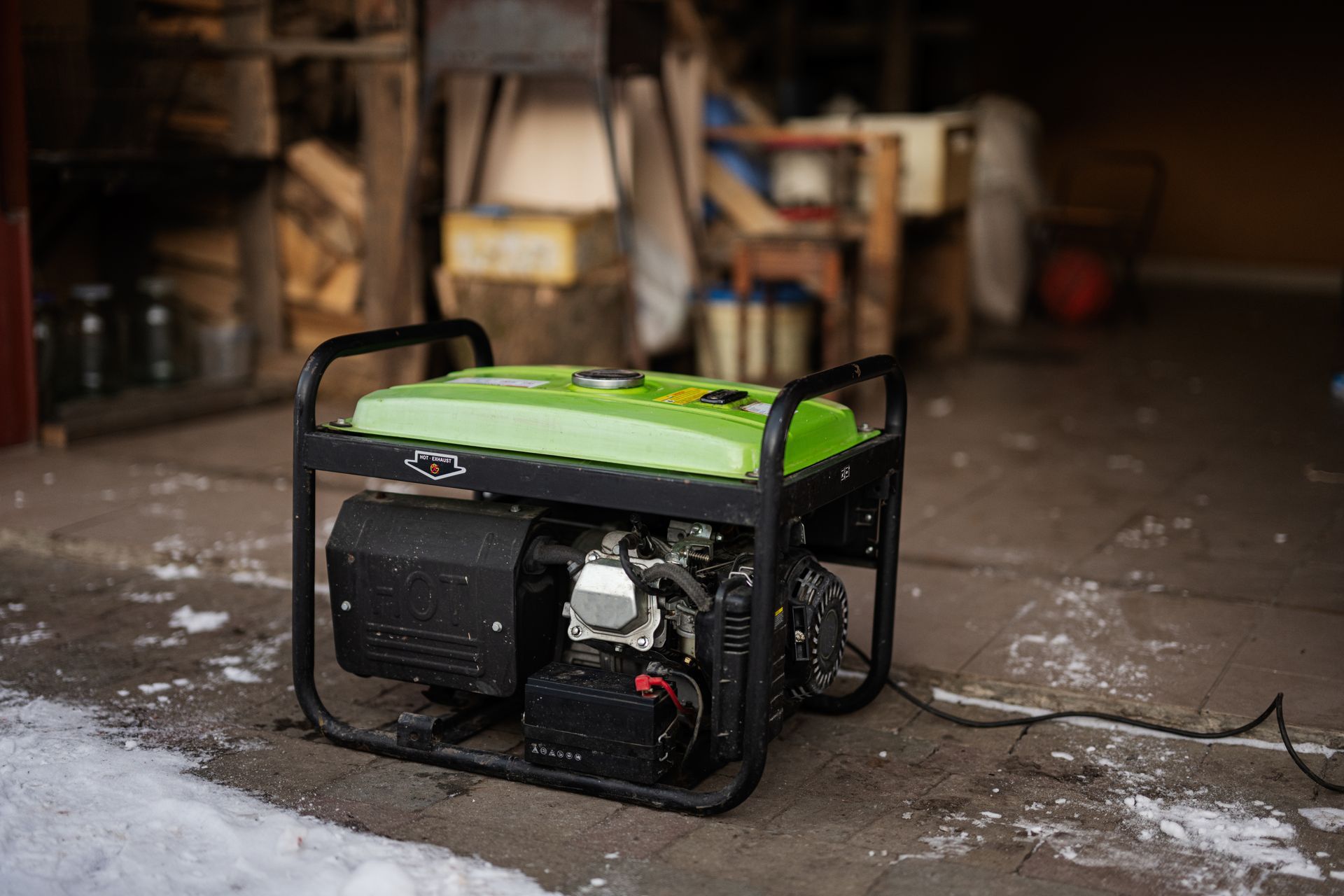
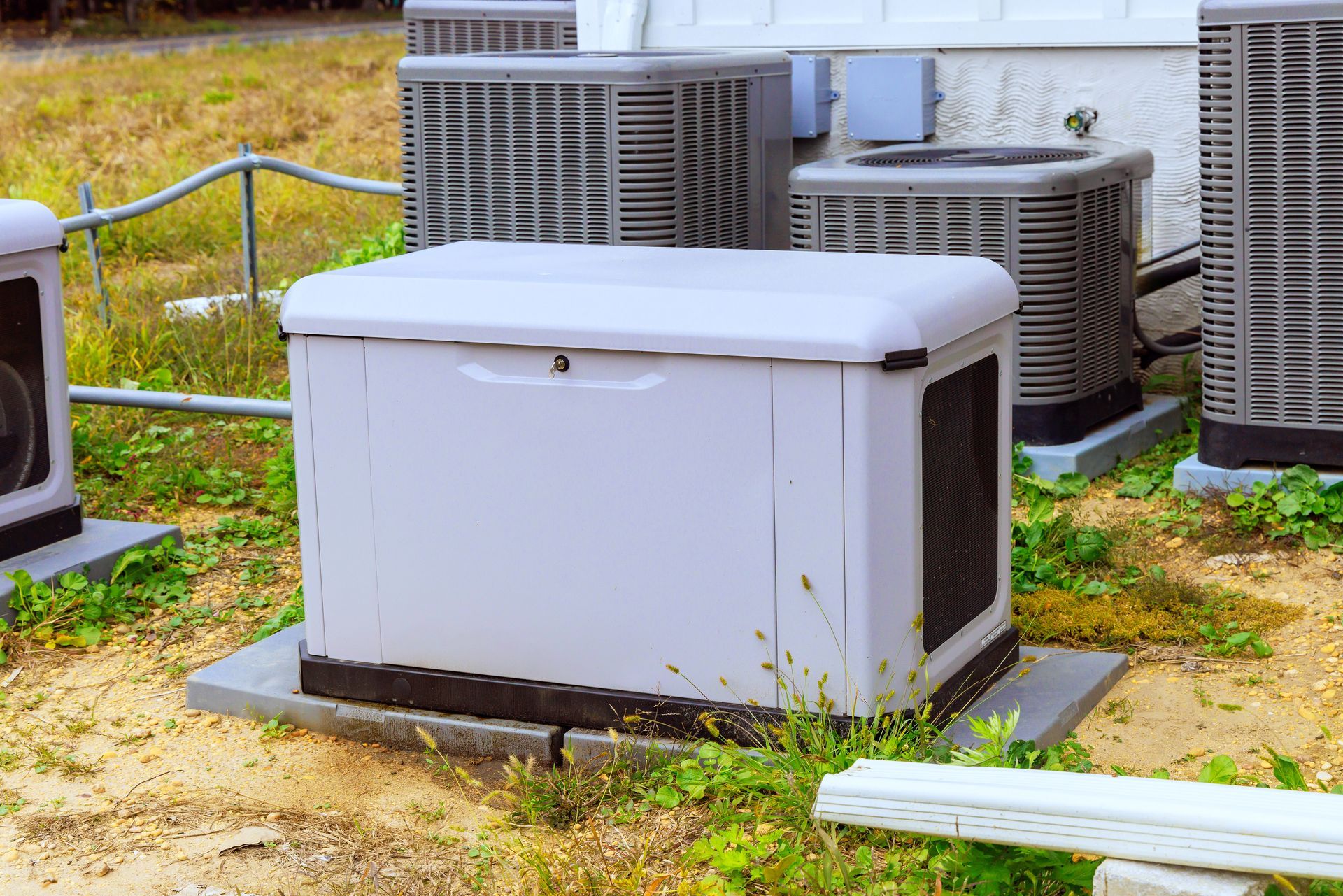
A well-maintained standby generator typically lasts around 20 to 30 years, or roughly 3,000 to 30,000 running hours depending on the engine. Air-cooled units common on smaller homes tend to fall at the lower end, while liquid-cooled units built for whole-home backup last the longest. The single biggest factor is not the brand, it is how well the unit is maintained and how many hours it actually runs.
At Cahill Electrical Services, we install, service, and replace standby generators for homeowners across New Haven, North Haven, Hamden, and the surrounding Connecticut towns. As a licensed and insured Connecticut electrical contractor (License #E1200185) working in the area since 2013, we see firsthand what makes one generator last decades and another wear out early. This guide breaks down what you can realistically expect.
In This Guide
- How Long Standby Generators Actually Last: Years versus engine hours.
- What Determines a Generator's Lifespan: The factors that matter most.
- How Maintenance Extends Generator Life: Getting the most years out of it.
- Signs Your Generator Is Nearing the End: When to start planning.
- How Connecticut Weather Affects Lifespan: Local stresses on the unit.
- Repair or Replace an Aging Generator: How to decide.
- Frequently Asked Questions: Quick answers for homeowners.
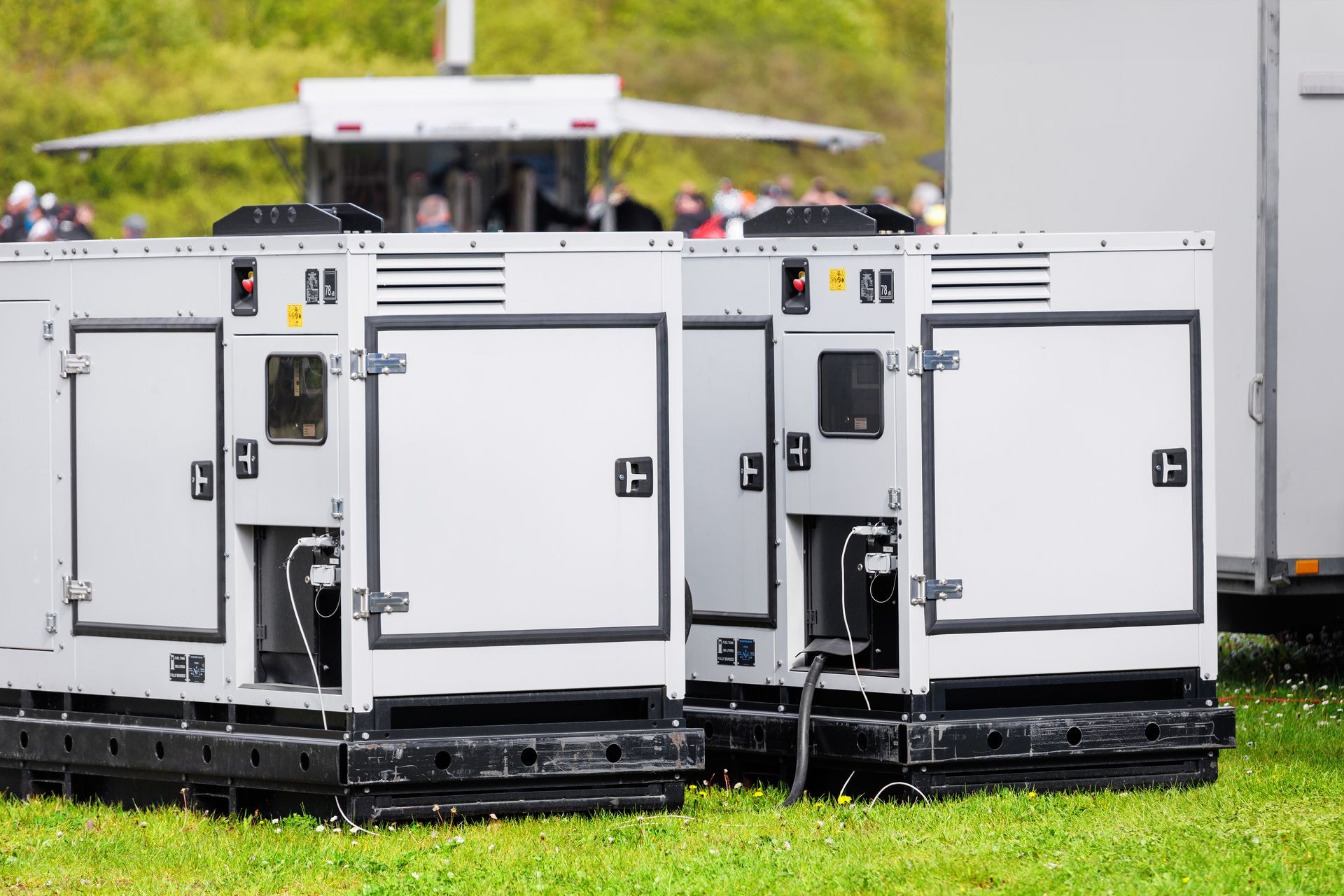
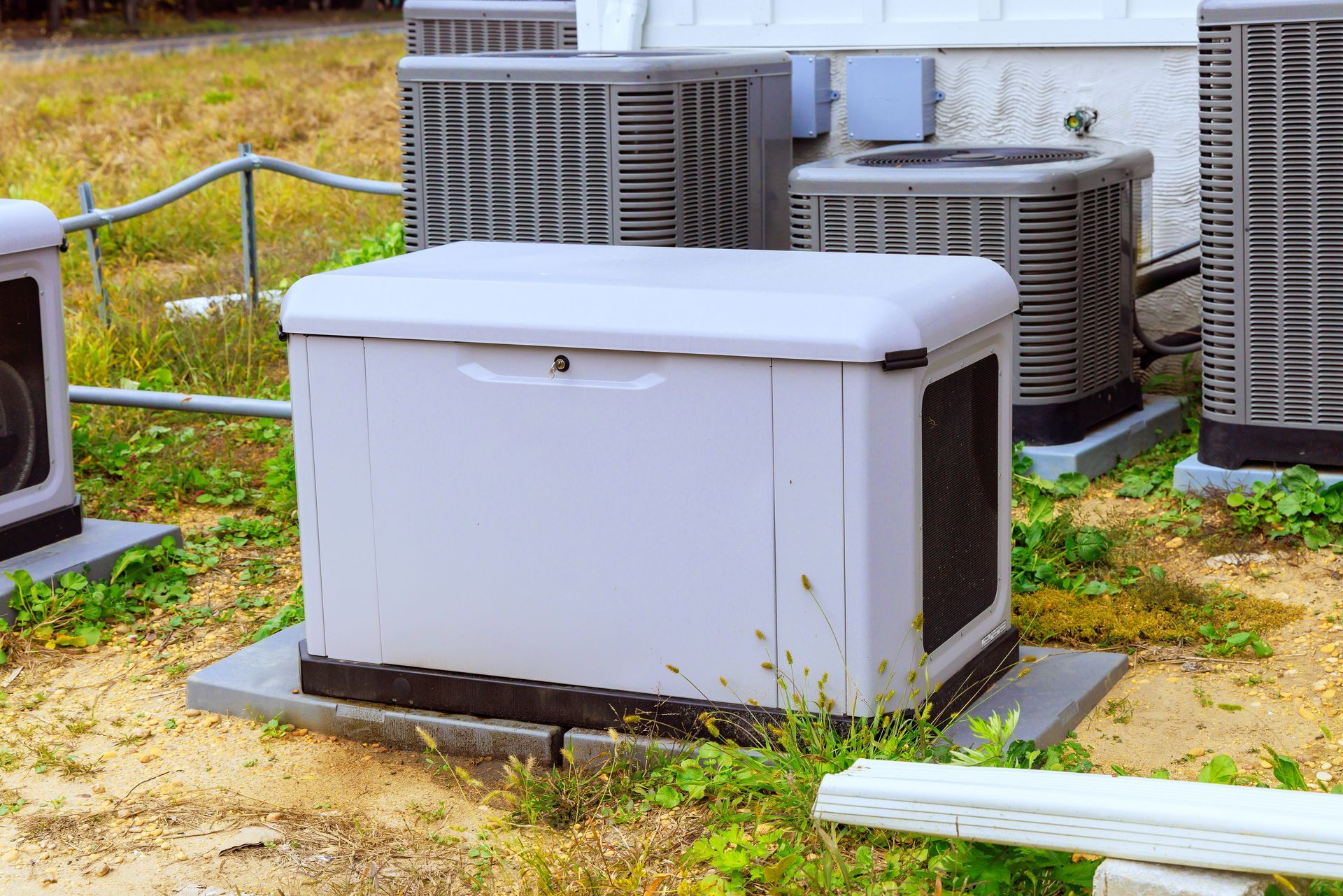
How Long Standby Generators Actually Last
Generator lifespan is measured two ways, and both matter. The first is calendar years, and the second is engine run hours, which is the true measure of wear. A standby generator that runs only during occasional outages ages far more slowly than one that runs for days every storm season, even if they are the same age on paper.
For most Connecticut homes, a quality standby generator that is properly maintained lasts somewhere in the range of 20 to 30 years. In terms of run time, the engine is the limiting part, and how many hours it is rated for depends heavily on how it is cooled.
Air-Cooled vs. Liquid-Cooled Lifespan
The cooling system is the clearest predictor of how long the engine will last. Air-cooled generators, which power most partial and mid-sized home backup systems, use a fan and are generally rated for a few thousand run hours. Liquid-cooled generators, used for larger whole-home coverage, run cooler under load and are built to last many times longer, which is why they cost more up front.
| Generator Type | Typical Lifespan | Best Suited For |
|---|---|---|
| Air-cooled standby | Around 10 to 20 years of typical use | Essential circuits and mid-sized homes |
| Liquid-cooled standby | Around 25 to 30-plus years | Whole-home backup and heavy loads |
| Portable (for comparison) | Around 10 to 15 years | Occasional, temporary use only |
Why Run Hours Matter More Than Age
A generator sitting mostly idle can outlive its calendar estimate, while one that carries a heavy load through frequent outages will reach its hour limit sooner. This is why two identical units can have very different lifespans. If you live in an area of Connecticut that loses power often, your generator is doing more work and will benefit even more from diligent maintenance.
What the Warranty Tells You About Lifespan
Manufacturer warranties are a useful clue to expected life. Residential standby generators commonly carry limited warranties in the range of five years, and the length and terms often reflect how the unit is built, with liquid-cooled models generally backed longer than entry-level air-cooled ones. A warranty is not a guarantee of total lifespan, since a well-maintained unit almost always outlives its warranty period by many years, but comparing warranty terms is a fair way to gauge how much engine the manufacturer expects to hold up. Keeping proof of professional maintenance is also what keeps that warranty valid if you ever need it.
What Determines a Generator's Lifespan
Several factors decide whether your generator reaches the high end of its expected life or falls short. Most of them are within your control.
Maintenance and Service History
Maintenance is the factor that matters most. A generator that gets annual professional service, regular oil and filter changes, and a weekly self-test will routinely outlast one that is installed and forgotten. Skipped maintenance is the most common reason a unit fails years before it should.
How Often It Runs
Outage frequency directly affects wear. A generator in a neighborhood with a stable grid may run only a few hours a year, while one that carries a home through multi-day storm outages logs far more hours. More run time means faster wear on the engine, oil, and components.
Fuel Type
Fuel affects both engine wear and maintenance. Natural gas and propane burn cleanly and are easy on the engine, while diesel units are rugged but need more attentive upkeep. A clean-burning fuel supply generally supports a longer, lower-maintenance life. Fuel also affects how the unit ages when it sits idle: natural gas and propane do not degrade the way stored fuel can, whereas a diesel unit's stored fuel needs management to avoid gumming and contamination over time. For most Connecticut homes on natural gas, this works in the generator's favor.
Sizing and Installation Quality
A generator that is correctly sized for the home runs efficiently and cool, while an undersized unit that is constantly overworked wears out early. Proper installation, including a correct pad, ventilation, and electrical connection, protects the unit from day one. If you are unsure whether your unit is sized right, our guide on
what size standby generator you need covers how to match capacity to your home.
How Maintenance Extends Generator Life
The difference between a generator that lasts 15 years and one that lasts 30 usually comes down to maintenance. Keeping up with a few routine tasks protects your investment and, more importantly, ensures the unit actually starts when the power goes out.
- Schedule annual professional service, where a technician inspects the engine, transfer switch, battery, and connections and catches small problems early.
- Change the oil and filters on schedule, since clean oil is what keeps the engine from wearing prematurely.
- Let the weekly self-test run, as this exercise cycle keeps the engine lubricated and confirms the unit is ready.
- Replace the battery every few years, because a dead starting battery is a leading reason a generator fails to start when needed.
- Keep the unit clear and clean, removing leaves, snow, and debris that block airflow and cooling.
A maintenance plan takes the guesswork out of this. Because a standby generator only proves itself during an outage, staying ahead of service is what separates a reliable unit from an expensive surprise.
Signs Your Generator Is Nearing the End
Even a well-cared-for generator eventually shows its age. Catching the signs early lets you plan a replacement on your schedule instead of during the next storm.
- Hard starting or failed self-tests, where the unit struggles to fire up or throws error codes.
- Rising repair frequency and cost, especially once parts for an older model become scarce.
- Visible corrosion, oil leaks, or excessive vibration that point to worn internal components.
- Inability to hold the load it once powered, such as lights dimming or the unit stalling under demand.
- Age past roughly 20 years, at which point efficiency, parts availability, and reliability all decline.
One of these on its own may be a repair. Several together usually mean the unit is telling you it is time to plan for a new one.
How Connecticut Weather Affects Generator Lifespan
The climate a generator lives in has a real effect on how long it lasts, and Connecticut asks a lot of a unit sitting outdoors year round. Understanding the local stresses helps you protect the investment.
Freeze-Thaw, Snow, and Ice
Our winters put the unit through repeated freeze-thaw cycles, and heavy snow or ice can block the air intake and cooling vents an air-cooled generator depends on. Keeping the enclosure clear of snow and confirming it can breathe is part of getting through a Connecticut winter, since a generator that overheats because its vents are buried will not reach its expected life. A cold-weather kit, which keeps the engine and battery warm, also helps the unit start reliably and run easier in deep cold.
Humidity, Storm Season, and Shoreline Air
Summers bring humidity and the storm outages that make the generator work hardest, logging run hours right when the heat is stressing the engine. Homes closer to the shoreline in towns like Branford deal with salt-laden air that accelerates corrosion on outdoor equipment. In those areas, rinsing the enclosure and staying on top of any corrosion during annual service protects the unit and extends its usable life.
Repair or Replace an Aging Generator
When an older generator acts up, the question is whether to fix it or replace it. As a general rule, a newer unit with an isolated issue is worth repairing, while a unit past 15 to 20 years that needs a major or repeated repair is often better replaced. Parts availability, the cost of the repair against a new unit, and how reliable you need your backup power to be all factor in. A common tipping point is when a single repair approaches a large share of the price of a new unit, or when the model is old enough that parts are hard to source and downtime stretches out.
Because a generator's value is really measured over its whole life, a longer-lasting unit can be the better deal even at a higher price. Our breakdown of
standby generator cost helps put replacement pricing in context, and if you are weighing the decision as a homeowner,
whether a generator adds value to your home is worth a look too.
Keep Your Backup Power Reliable With Cahill Electrical Services
Whether you want to extend the life of your current generator or you are ready to replace an aging unit, our licensed team keeps Connecticut homes powered when the grid goes down. We handle installation, service, and replacement to code.
Call Cahill Electrical Services at (203) 468-0034 or
contact us to schedule a visit. We serve New Haven, North Haven, Hamden, and the surrounding towns under Connecticut License #E1200185.
Frequently Asked Questions
How many hours will a standby generator run before it wears out?
It depends on the engine and cooling type. Air-cooled residential units are generally rated for a few thousand run hours, while liquid-cooled units are built for many times that. Because most home generators only run during outages, the calendar lifespan of 20 to 30 years usually arrives before the hour limit does, as long as the unit is maintained.
Does a standby generator need to run when there is no outage?
Yes, briefly. Standby generators are designed to run a short weekly self-test, which circulates oil, keeps the engine ready, and confirms the unit will start when needed. This exercise cycle is normal and actually helps extend the generator's life rather than wearing it out.
How often does a standby generator need maintenance?
Plan on professional service at least once a year, with oil and filter changes on the manufacturer's schedule. If your generator runs often because of frequent outages, it may need service sooner. Regular maintenance is the single biggest factor in reaching the high end of the lifespan range.
Can a standby generator last 30 years?
A liquid-cooled unit that is correctly sized, professionally installed, and diligently maintained can reach 30 years or more. Air-cooled units typically have a shorter life. In both cases, consistent maintenance and moderate run hours are what make the longest lifespans possible.
What is the most common reason standby generators fail early?
Neglected maintenance, followed closely by a dead starting battery. A generator that skips its oil changes and annual service wears out faster, and many units that seem to fail are simply not starting because of an old battery. Both are avoidable with a basic maintenance routine.
Recent Posts