
Is a Whole House Surge Protector Worth It? What CT Homeowners Should Know
May 27, 2026
or give us a call at

Yes, for most Connecticut homes, a whole house surge protector is worth it. A typical unit costs $300 to $800 installed and protects every appliance, electronic device, and smart system in your home from voltage spikes that can fry expensive equipment in a single second. At Cahill Electrical Services, our licensed Connecticut electricians have installed whole house surge protectors on homes across the state for years. We've seen the difference firsthand: protected homes ride out lightning strikes and grid switching without damage, while unprotected homes often face thousands of dollars in repair bills after a single bad storm.
This guide gives the straight answer on whether surge protection is worth the cost, what it actually protects, and what Connecticut homeowners should know before deciding.
What Does a Whole House Surge Protector Actually Do?
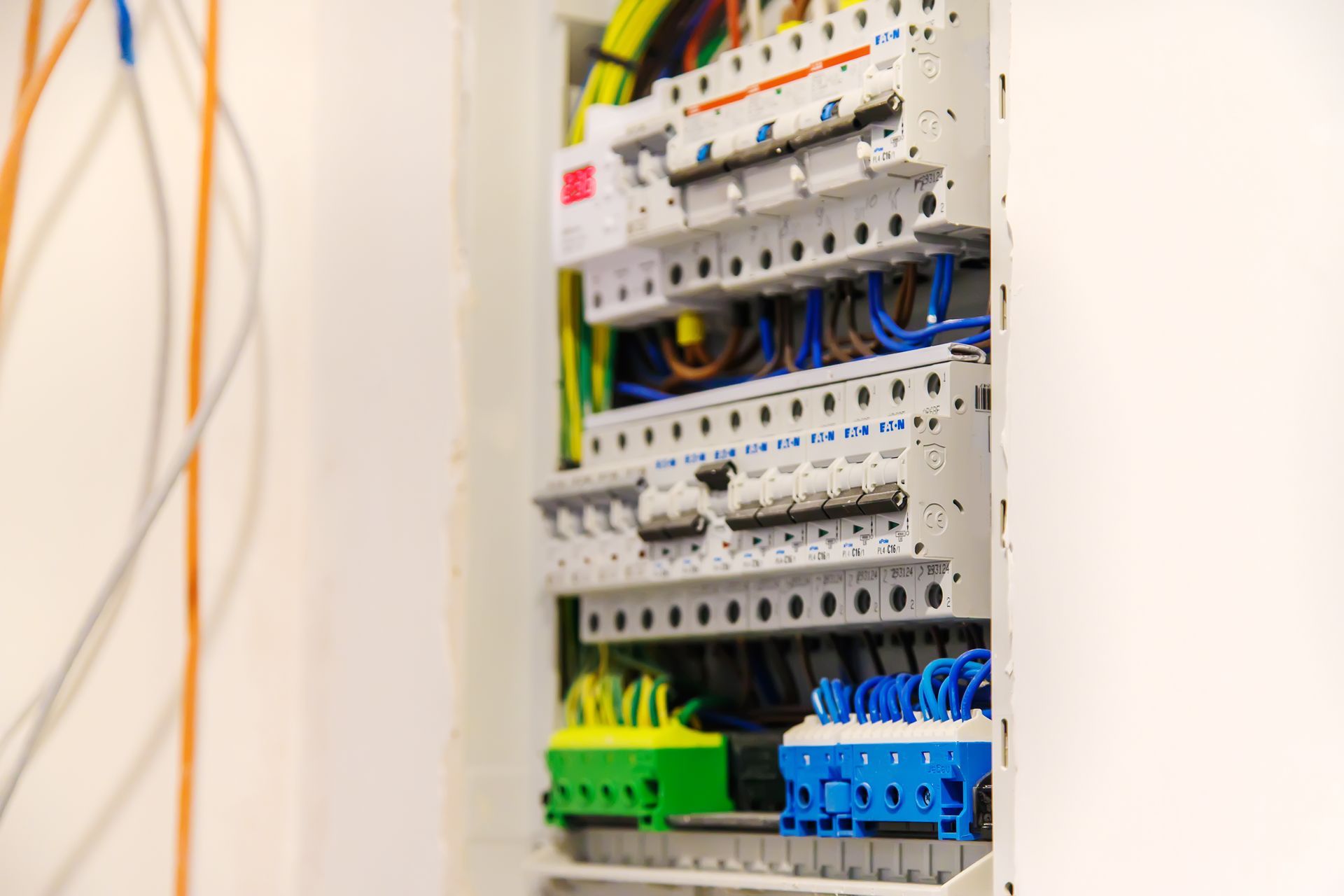
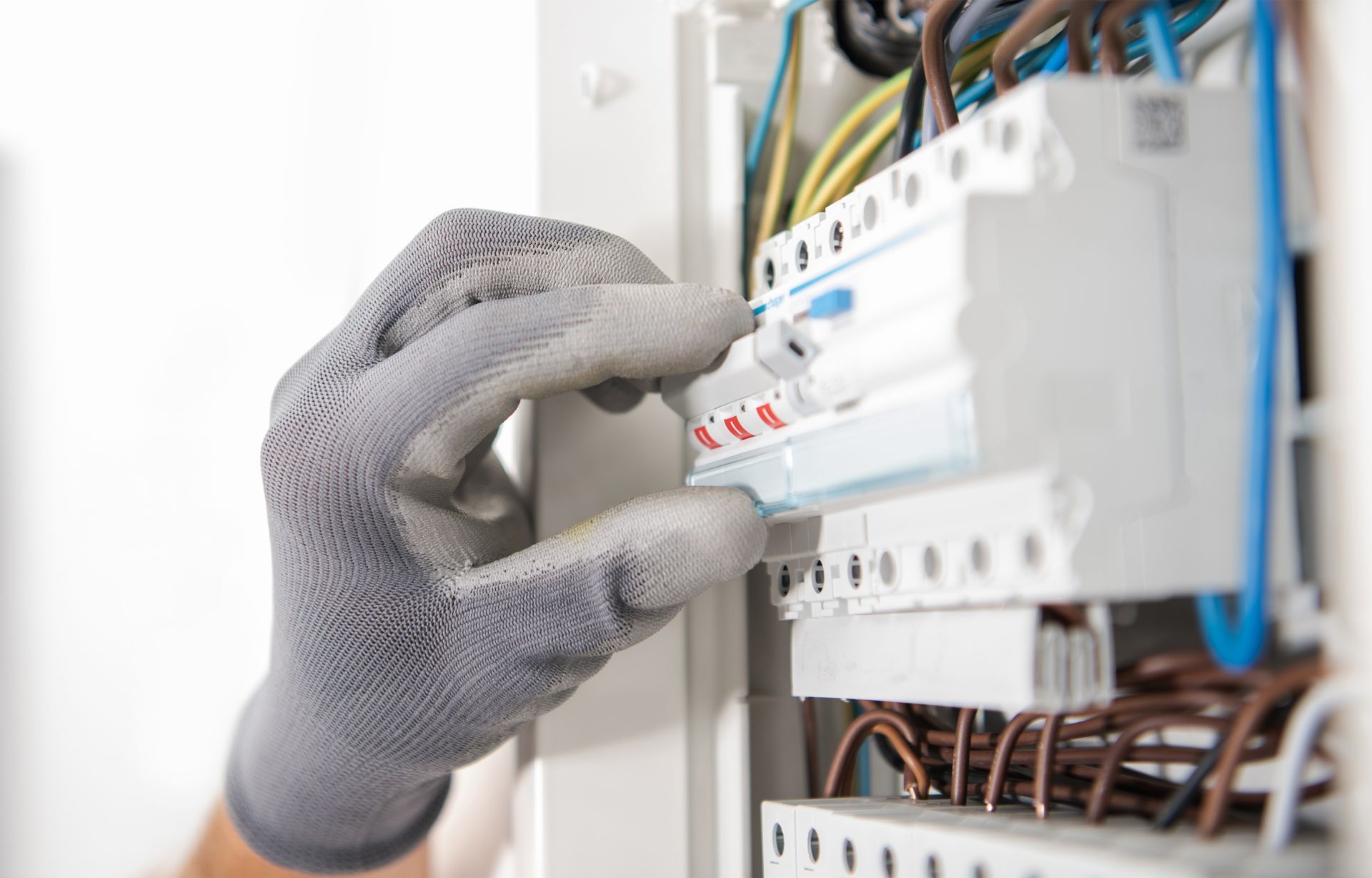
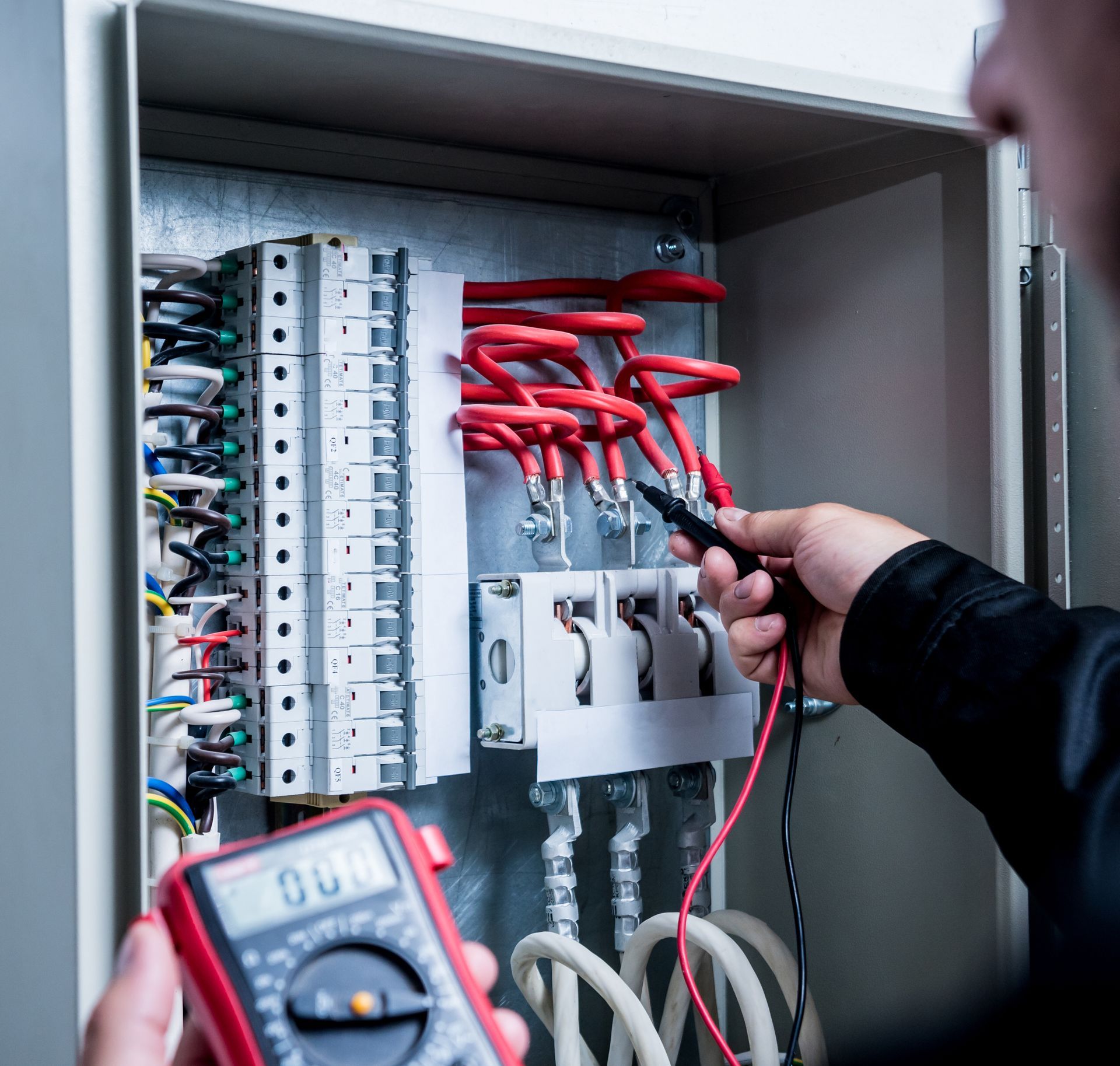
A whole house surge protector is installed at your main electrical panel. It senses voltage spikes coming in through your power lines and diverts them safely to ground before they reach your appliances, electronics, or wiring. The whole event takes a fraction of a second.
How Electrical Surges Enter Your Home
Surges enter your home through three main paths:
- The main service line from the utility
- Phone, cable, or internet lines tied into your home
- Inside the home itself, from large appliances cycling on and off
A whole house surge protector at the panel handles the first path. To cover the others, layered protection is sometimes added.
The Difference Between Whole House and Plug-In Surge Protection
A plug-in power strip is a point-of-use protector. It only guards what's plugged into it. A whole house surge protector guards every circuit in your home at the panel level. Most CT electricians recommend pairing both for the best protection on sensitive electronics.
What Appliances and Electronics Are Protected
A panel-mounted surge protector covers everything wired into your home: HVAC, refrigerator, washer, dryer, oven, lights, ceiling fans, EV chargers, smart home devices, and the wiring itself.
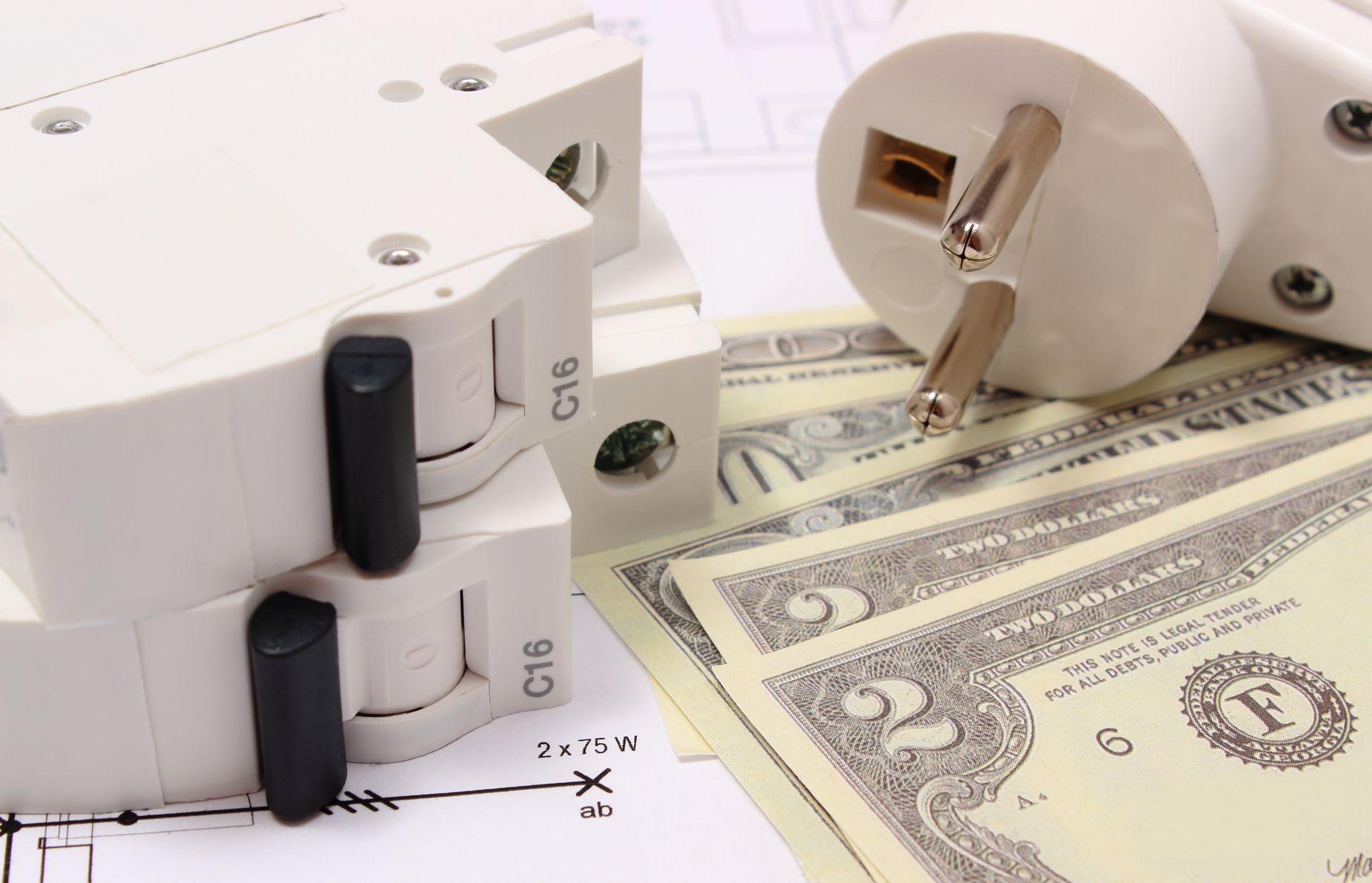
Where Power Surges Come From
Most homeowners think of lightning when they hear "surge," but lightning is only one source. Most surges are smaller and come from the utility grid or from inside your own home.
Lightning Strikes and Severe Connecticut Storms
Direct or nearby lightning strikes create the biggest, fastest surges. Connecticut's summer thunderstorms and winter ice storms make this a real risk every year, especially in rural and shoreline towns.
Utility Company Grid Switching and Outages
Power companies switch loads between substations and feeders dozens of times each day. Each switch can send small voltage spikes down the line. When power comes back on after an outage, the initial surge can also damage sensitive electronics.
High-Powered Appliances Cycling On and Off
Your AC compressor, well pump, refrigerator, and electric dryer all create small internal surges every time they kick on. Most homeowners never notice, but the wear builds up over the years.
Hidden Surges That Occur Every Day
Most homes face dozens of small surges every day. Common sources include:
- Refrigerator and freezer compressors
- HVAC system startups
- Microwaves and hair dryers
- Light dimmers and ceiling fan controls
- Garage door openers and pool pumps
Each one is small, but the cumulative damage shortens the life of every electronic device in the home.
Signs Your Home Could Benefit From Surge Protection
If any of the following apply, surge protection is likely worth it for your home.
Frequent Storm-Related Power Interruptions
Connecticut homes lose power several times a year on average. Each restoration carries a small surge risk. Homes in storm-prone areas like the shoreline and the Litchfield hills face higher exposure.
Expensive Electronics and Smart Home Devices
If you own a high-end TV, gaming PC, home theater system, smart thermostat, security cameras, or Wi-Fi mesh system, you have thousands of dollars in equipment that a single surge could destroy.
HVAC Systems, Appliances, and EV Chargers
Modern HVAC systems contain sensitive control boards. Heat pumps especially can be damaged by surges. EV chargers and smart appliances also have circuit boards that don't recover from a strong voltage spike.
Older Electrical Panels and Wiring Systems
Older homes are more vulnerable. Aging breakers respond slower, older grounding may be less effective, and surge damage can spread further through outdated wiring.
Is a Whole House Surge Protector Worth the Cost?
Yes, for most Connecticut homes. A whole house surge protector typically costs $300 to $800 installed. The total cost of replacing even one major appliance after a surge is usually more than that.
Comparing Installation Costs to Potential Repair Costs
Here's what's at stake without surge protection:
| Item at Risk | Replacement Cost | Covered by Whole House Protection? |
|---|---|---|
| Central AC compressor | $3,000 to $7,000 | Yes |
| Refrigerator | $1,500 to $4,000 | Yes |
| Smart TV | $800 to $2,500 | Yes |
| HVAC control board | $400 to $1,200 | Yes |
| Whole house surge protector (installed) | $300 to $800 | N/A |
One avoided appliance loss usually pays back the entire surge protector several times over.
The Value of Protecting Modern Electronics
The average Connecticut home now contains far more electronic equipment than 20 years ago. TVs, computers, smart hubs, security systems, and connected appliances are all surge-sensitive. The "worth it" math has shifted heavily in favor of installing surge protection.
Reducing the Risk of Premature Appliance Failure
Even small daily surges shorten the life of motors and circuit boards. A whole house surge protector smooths out those daily spikes, helping appliances last closer to their full expected lifespan.
Peace of Mind During Storm Season
Many homeowners say the biggest payoff is not worrying every time a storm rolls through. You don't have to unplug things, pull power strips, or fear the next lightning strike.
What Can a Whole House Surge Protector Protect?
A panel-mounted surge protector covers everything wired into your home's electrical system.
| Category | Items Covered |
|---|---|
| Heating and cooling | Central AC, heat pumps, furnaces, mini-split systems |
| Kitchen and laundry | Refrigerators, dishwashers, ovens, washers, dryers |
| Entertainment and office | TVs, computers, gaming systems, routers, modems |
| Smart home and security | Cameras, thermostats, smart hubs, alarm panels |
Heating and Cooling Equipment
Air Conditioners, Heat Pumps, and Furnaces
Modern HVAC equipment runs on circuit boards that are easily fried by a surge. Replacing a control board can run $400 to $1,200. Replacing the whole unit costs many times more.
Kitchen and Laundry Appliances
Refrigerators, Dishwashers, Washers, and Dryers
Today's appliances have far more electronics than older models. Touchscreens, smart sensors, and electronic controls all depend on stable voltage to keep running.
Home Entertainment and Office Equipment
TVs, Computers, Gaming Systems, and Networking Devices
A single surge can take out a TV, a router, a desktop computer, and a gaming console all at once. We've seen this on more than one CT job site after a bad storm.
Smart Home Technology and Security Systems
Cameras, Thermostats, and Connected Devices
Smart home gear is one of the most surge-sensitive groups of devices in the modern home. Small voltage spikes can disconnect or permanently damage Wi-Fi devices, security cameras, and connected thermostats.
Understanding the Limitations of Whole House Surge Protection
A whole house surge protector is powerful, but it doesn't stop everything. Knowing what it can and cannot do helps you decide what other protection you may need.
What Surge Protectors Can and Cannot Stop
A whole house unit can:
- Block most utility-side voltage spikes
- Reduce daily internal surges from appliances
- Lower the chance of damage from nearby lightning
A whole house unit cannot:
- Fully stop a direct lightning strike to the home
- Replace point-of-use protection for the most sensitive devices
- Make up for poor grounding or outdated wiring
Why Layered Protection Is Often Recommended
Most electricians recommend two layers: a whole house protector at the panel plus point-of-use protectors at sensitive devices like the home theater, the home office, and the gaming PC. The whole house unit handles the big hits. The point-of-use units catch what slips through.
When Point-of-Use Surge Protectors Still Make Sense
Even with whole house protection, plug-in surge protectors are still worth using for:
- Home theater systems
- Home office computers and servers
- Gaming consoles and PCs
- Any single device worth $500 or more
Types of Whole House Surge Protectors
There are two main types of whole house surge protectors. They are sometimes installed together for full coverage.
| Type | Where It Installs | Best For | Typical Unit Cost |
|---|---|---|---|
| Type 1 | Service entrance, before main breaker | Direct lightning protection, homes near overhead lines | $200 to $500 |
| Type 2 | Main electrical panel, after main breaker | Standard residential protection | $100 to $400 |
Type 1 Surge Protection Devices
Type 1 units are installed between the utility meter and your main breaker. They are built to handle the largest external surges, including those from lightning. Most homes don't strictly need a Type 1 unit unless they are in a high-lightning zone.
Type 2 Surge Protection Devices
Type 2 units are the most common residential choice. They mount inside or beside the main electrical panel and handle most everyday surges. For most Connecticut homes, a Type 2 protector is the right starting point.
Choosing the Right Protection Level for Your Home
For most CT homes, a quality Type 2 surge protector is enough. Homes in heavily wooded or shoreline areas, or homes with above-ground utility lines, may benefit from adding a Type 1 unit for layered coverage.
How Much Does a Whole House Surge Protector Cost?
A typical Connecticut homeowner pays $300 to $800 for a whole house surge protector with professional installation. Premium units with higher specs and longer warranties run $800 to $1,200 or more.
Equipment Costs
- Entry-level Type 2 unit: $100 to $200
- Mid-range Type 2 unit: $200 to $400
- Premium Type 2 unit: $400 to $600+
- Type 1 unit (for added lightning protection): $200 to $500
Professional Installation Costs
Installation by a licensed electrician usually runs $150 to $400. The job typically takes one to two hours and includes:
- Shutting off power at the main panel
- Mounting the surge protector
- Wiring it into the panel
- Testing and verifying ground connections
Factors That Influence Pricing
Total cost depends on:
- The size and quality of the unit
- Your panel's age, brand, and condition
- Whether your panel has open breaker slots
- Whether grounding upgrades are needed
- Your town's permit requirements
Expected Lifespan and Long-Term Value
A quality whole house surge protector lasts 10 to 25 years. Most models have indicator lights that show when the unit has taken a major hit and needs replacement. Spread over its lifespan, the cost works out to less than $50 a year for whole-home protection.
Why Connecticut Homes Are Especially Vulnerable to Power Surges
Connecticut combines several risk factors that make whole house surge protection more valuable here than in many other places.
Seasonal Thunderstorms and Lightning Activity
Connecticut sees frequent summer thunderstorms and lightning, especially across the central and shoreline regions. The combination of storms and overhead utility lines creates plenty of surge events each year.
Aging Utility Infrastructure
Much of Connecticut's electrical grid was built decades ago. Older transformers, switches, and feeders are more prone to creating voltage irregularities, especially during heavy load periods.
Increased Reliance on Sensitive Electronics
The typical CT home now runs on smart thermostats, smart appliances, fiber or cable internet, and connected security systems. Each one is surge-sensitive in a way that older appliances were not.
Backup Generators and EV Chargers Creating Additional Demand
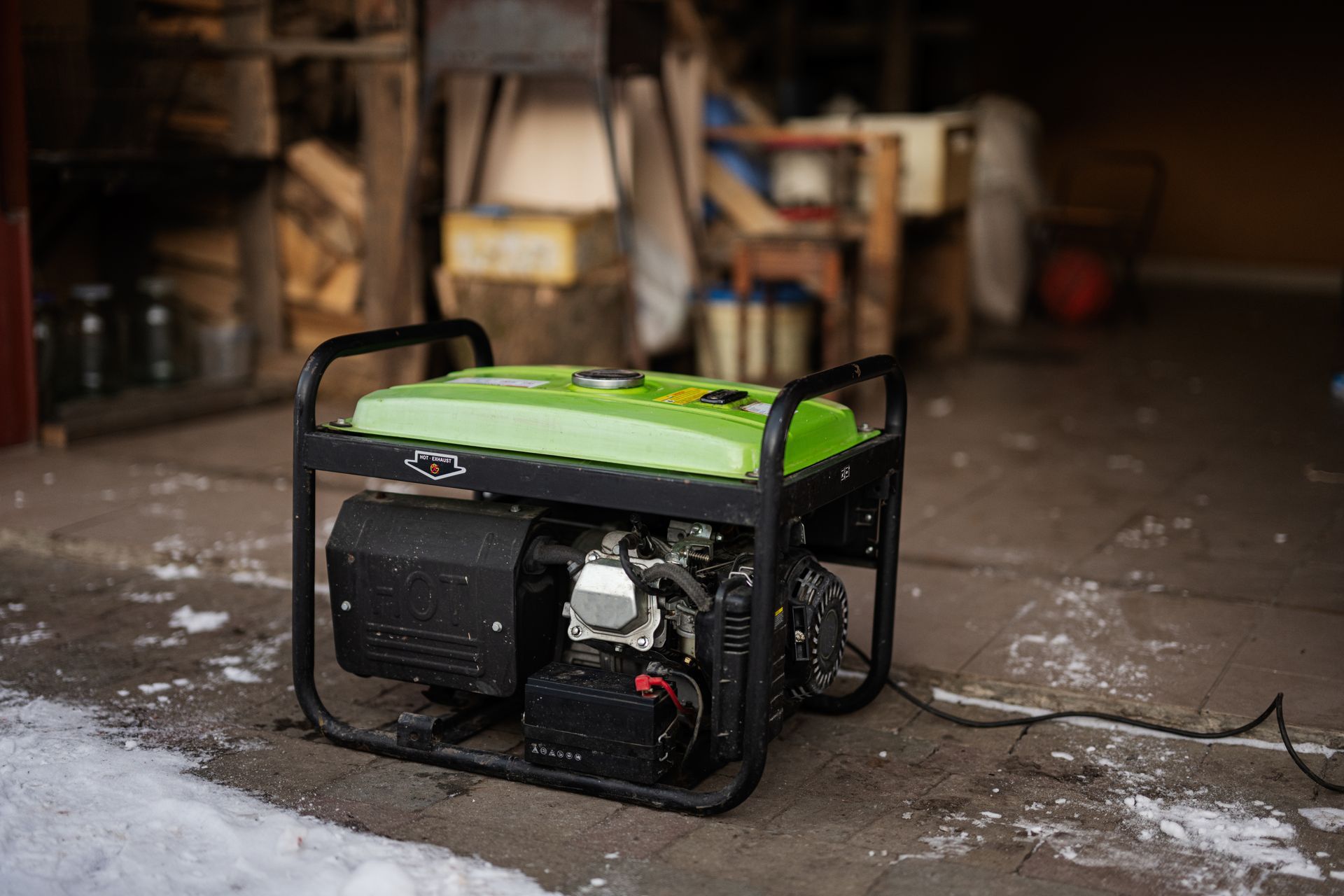
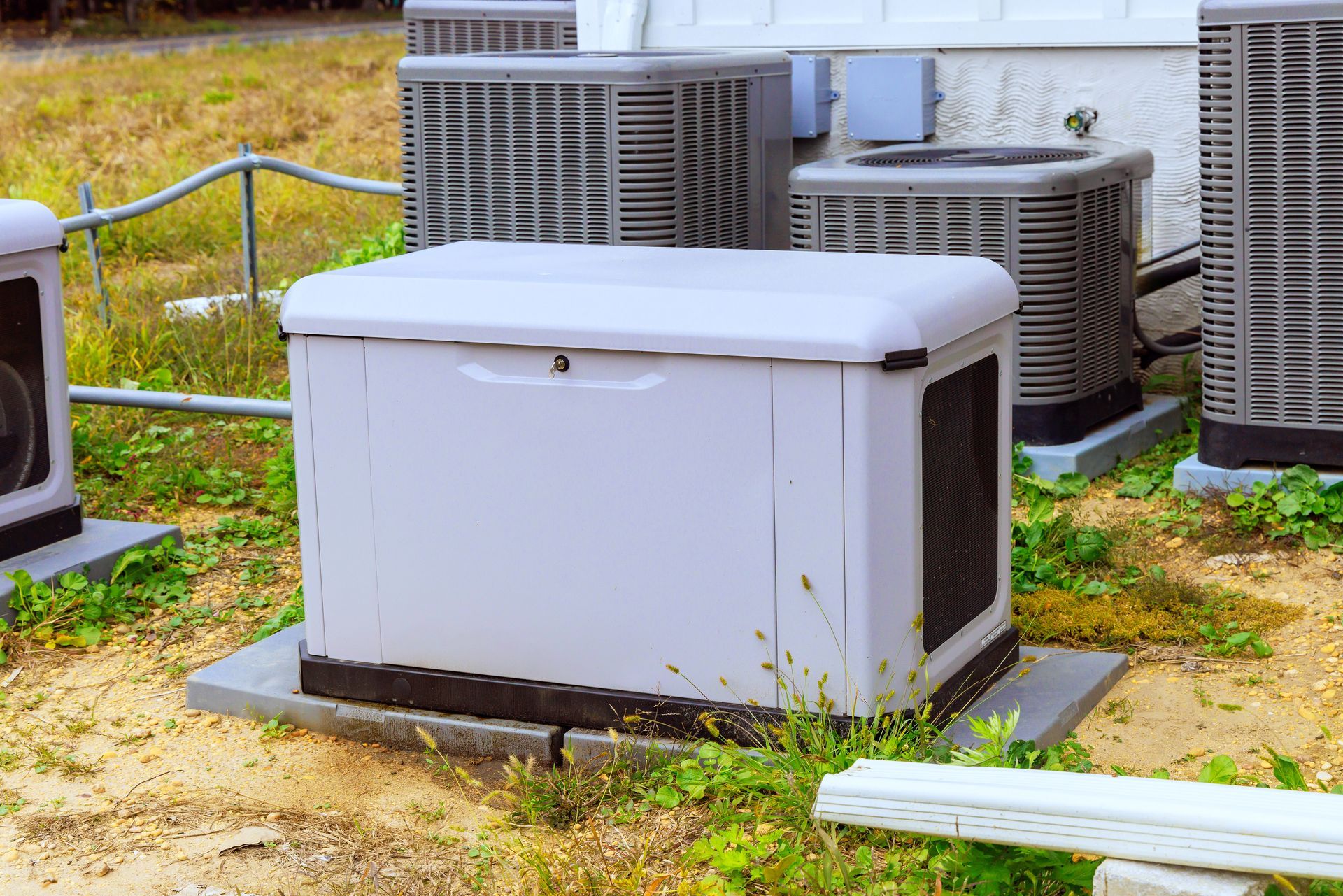
The growing number of standby generators and EV chargers across the state puts more demand on residential electrical systems. Both also benefit from being paired with surge protection to safeguard their own circuit boards.
Protect Your Home's Electrical System for the Long Term
A whole house surge protector is one of the most cost-effective electrical upgrades a Connecticut homeowner can make. For roughly the cost of one major appliance repair, you get years of protection across every circuit in your home.
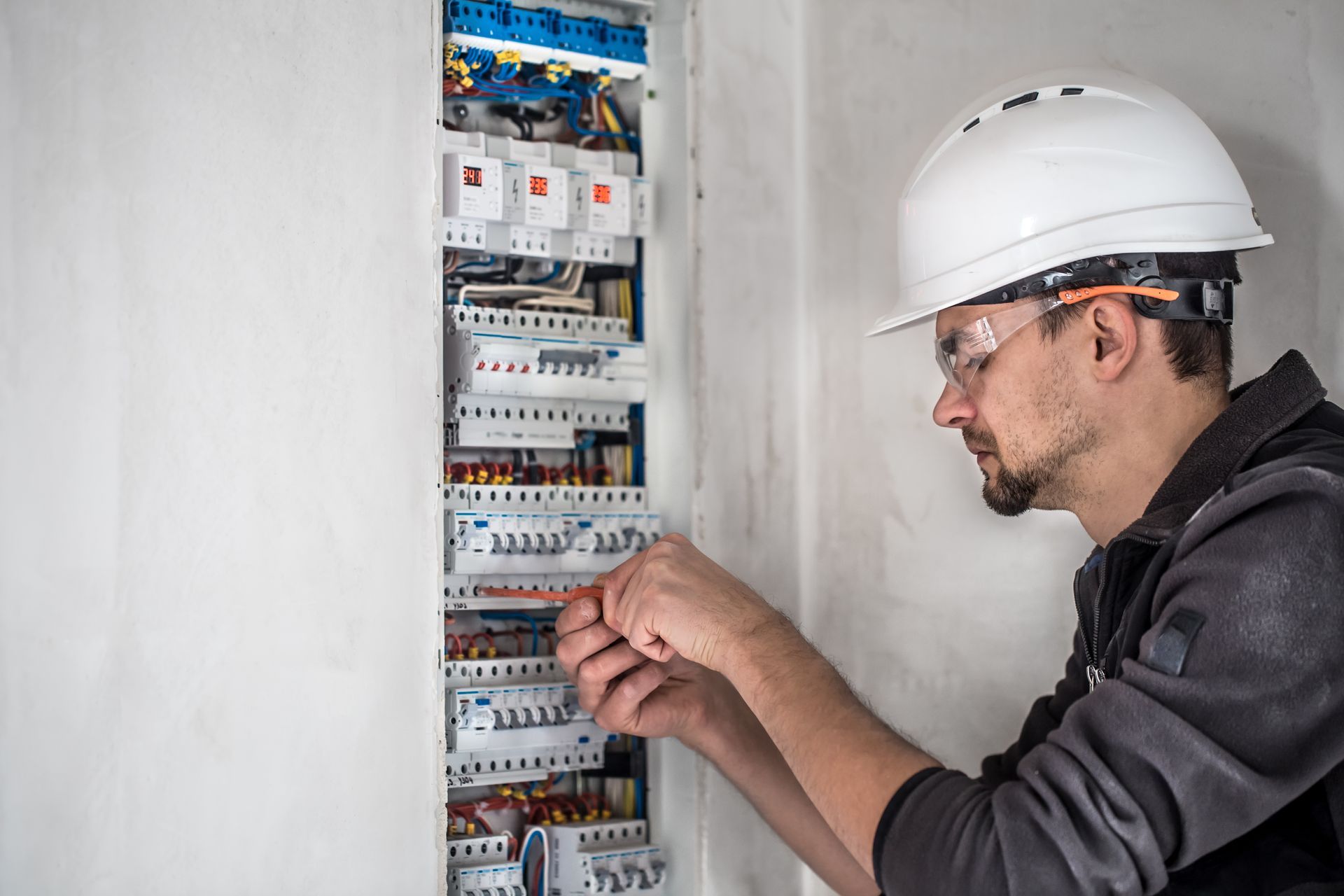
The best results come from pairing whole house surge protection with sound grounding, an up-to-date electrical panel, and point-of-use protectors on your most sensitive equipment. A licensed electrician can perform an electrical safety inspection, check your panel and grounding, and recommend the right protection level for your setup.
Contact Cahill Electrical Services to schedule a surge protection evaluation for your Connecticut home today.
Frequently Asked Questions
How long does a whole house surge protector last?
A quality whole house surge protector lasts 10 to 25 years under normal conditions. After a major surge event, the unit may need replacement even if it still looks fine. Most modern units have an indicator light that changes color or turns off when the unit can no longer offer full protection.
Will my homeowner's insurance cover surge damage?
Many Connecticut policies cover surge damage from outside sources like lightning, but coverage for internal surges and gradual electronic damage varies by carrier and policy. Some insurers offer a small discount for homes with installed whole house surge protection. Check your policy or call your agent for details.
Do I still need power strips if I have a whole house surge protector?
Yes, for your most sensitive electronics. A whole house unit blocks the biggest surges, but point-of-use protectors at your TV, computer, and gaming setup catch the smaller spikes that get through. The two layers work together.
Can I install a whole house surge protector myself?
No. A whole house surge protector wires directly into your main electrical panel. The work requires the main power to be turned off and proper grounding to function correctly. This is a job for a licensed electrician for both safety and warranty reasons.
Will a whole house surge protector protect against a direct lightning strike?
Not fully. No surge protector can stop the full force of a direct strike to your home. A quality unit will reduce damage, but a direct hit can still cause issues. Layered protection (Type 1 plus Type 2 plus point-of-use) gives the best defense in high-lightning areas.
Recent Posts