
How Much Does a Standby Generator Cost? (2026 Pricing Guide)
May 27, 2026
or give us a call at

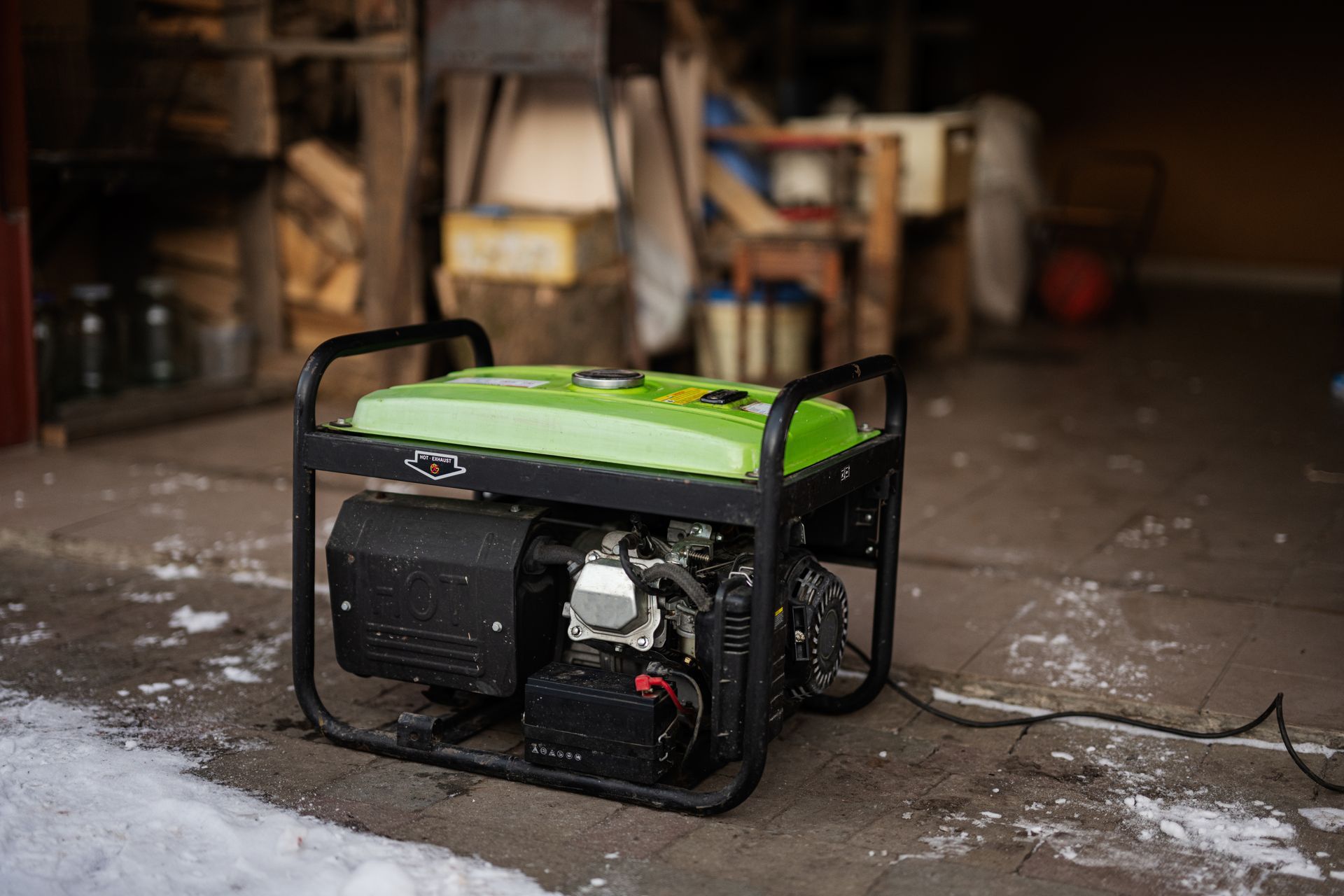
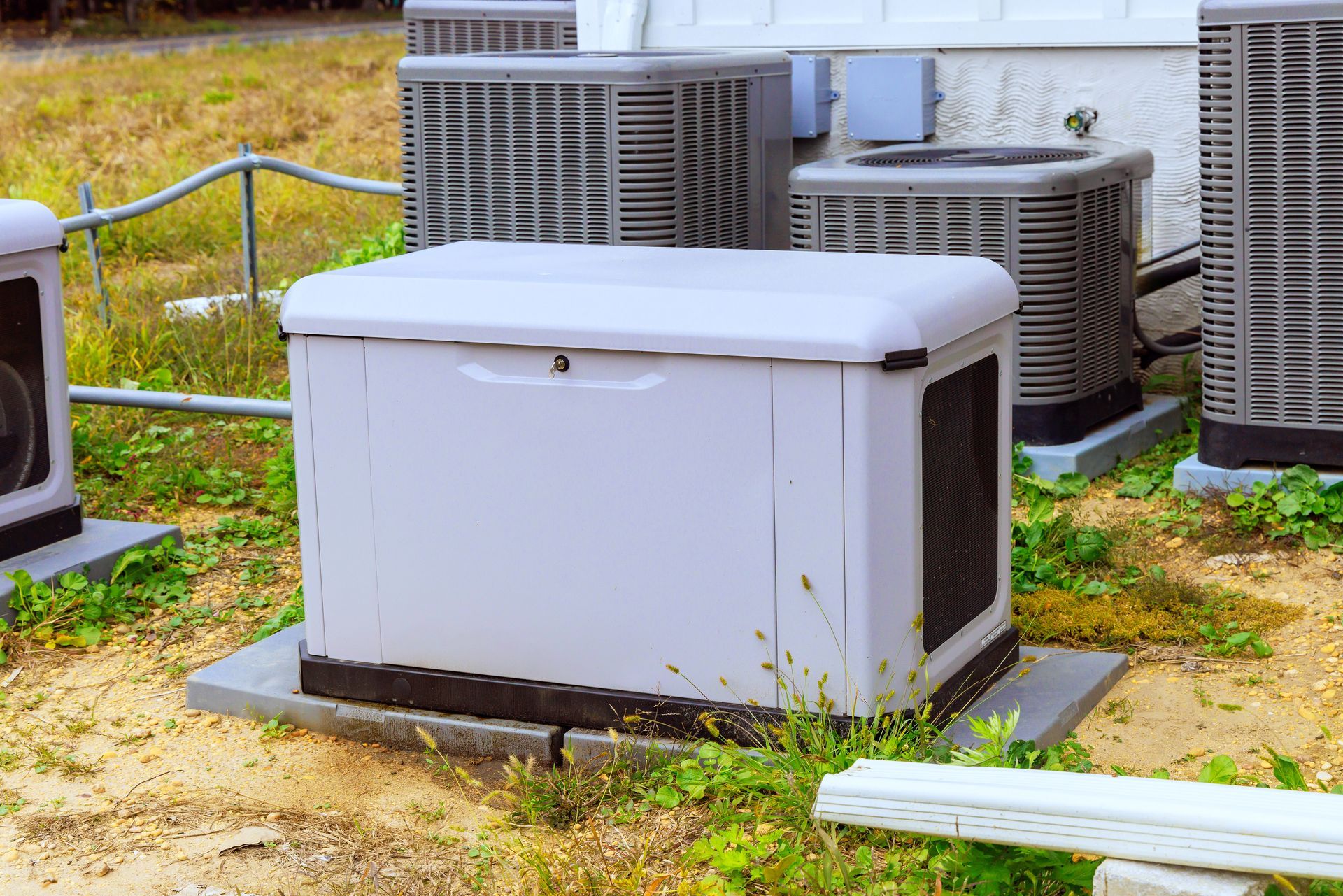
A standby generator costs most homeowners between $5,000 and $25,000, fully installed. The final price depends on the generator size, your home's electrical setup, the fuel type, and how complex the installation site is. At Cahill Electrical Services, our licensed Connecticut electricians have planned, wired, and installed standby generators on hundreds of homes across the state. We've seen what drives the cost up, what keeps it reasonable, and what corners are not worth cutting.
This guide breaks down every part of that price in plain terms. You'll see what a full installation includes, what changes the total, and how to plan a realistic 2026 budget for your home.
What Does a Standby Generator Cost in 2026?
Most homeowners pay $5,000 to $25,000 for a fully installed standby generator in 2026. Small units that back up only a few essential circuits cost the least. Large whole-home systems with extra electrical work cost the most.
Average Standby Generator Cost by Home Size
The size of your home is the biggest single factor. A small home needs less power. A large home with central air, a well pump, and an electric range needs more.
- Small home (under 1,500 sq ft):
$5,000 to $9,000 installed
- Medium home (1,500 to 3,000 sq ft):
$9,000 to $15,000 installed
- Large home (over 3,000 sq ft): $15,000 to $25,000+ installed
Typical Installation Cost Range for Connecticut Homeowners
Connecticut homeowners often land in the middle of the national range. Labor rates here are a bit higher than the U.S. average. But most CT homes already have natural gas service, which keeps fuel hookup costs low.
A typical installed price for a mid-sized whole-home generator in Connecticut runs about $11,000 to $18,000. Older homes with smaller electrical panels or longer gas line runs often land near the top of that range.
What's Included in a Complete Generator Installation
A full installation is more than dropping a unit in the yard. A real installed price covers:
- The generator unit
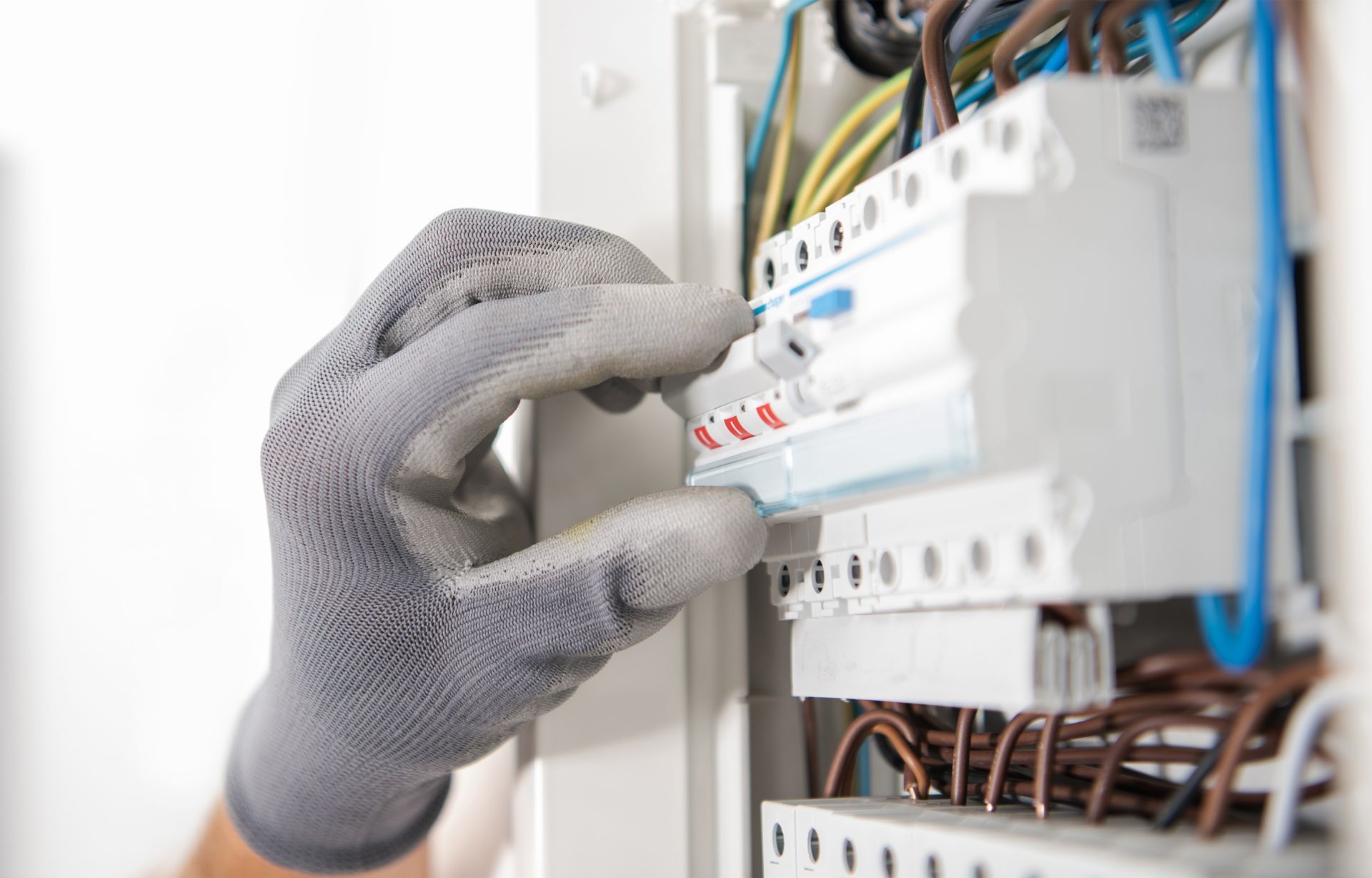
- An automatic transfer switch
- A concrete pad or factory base
- Electrical work to tie into your main panel
- Gas or propane line connections
- Permits and inspections
- Labor from a licensed electrician
- Final testing and startup
If a quote leaves out any of these, it is not the real installed price.
How Much Does a Standby Generator Cost?
Standby Generator Cost Breakdown
To compare quotes well, it helps to know what each line item really costs.
Generator Unit Cost
The generator itself usually runs $2,000 to $12,000 depending on size and brand. A 10 kW unit costs less than a 26 kW unit. Premium brands cost more than entry-level lines.
Installation Labor
Labor usually runs $2,000 to $5,000. This covers planning, running wire, mounting the transfer switch, setting the unit, and final startup.
Automatic Transfer Switch
An automatic transfer switch is the brain of the system. It senses a power outage and starts the generator on its own. A switch and its install usually adds $400 to $1,500 to the project.
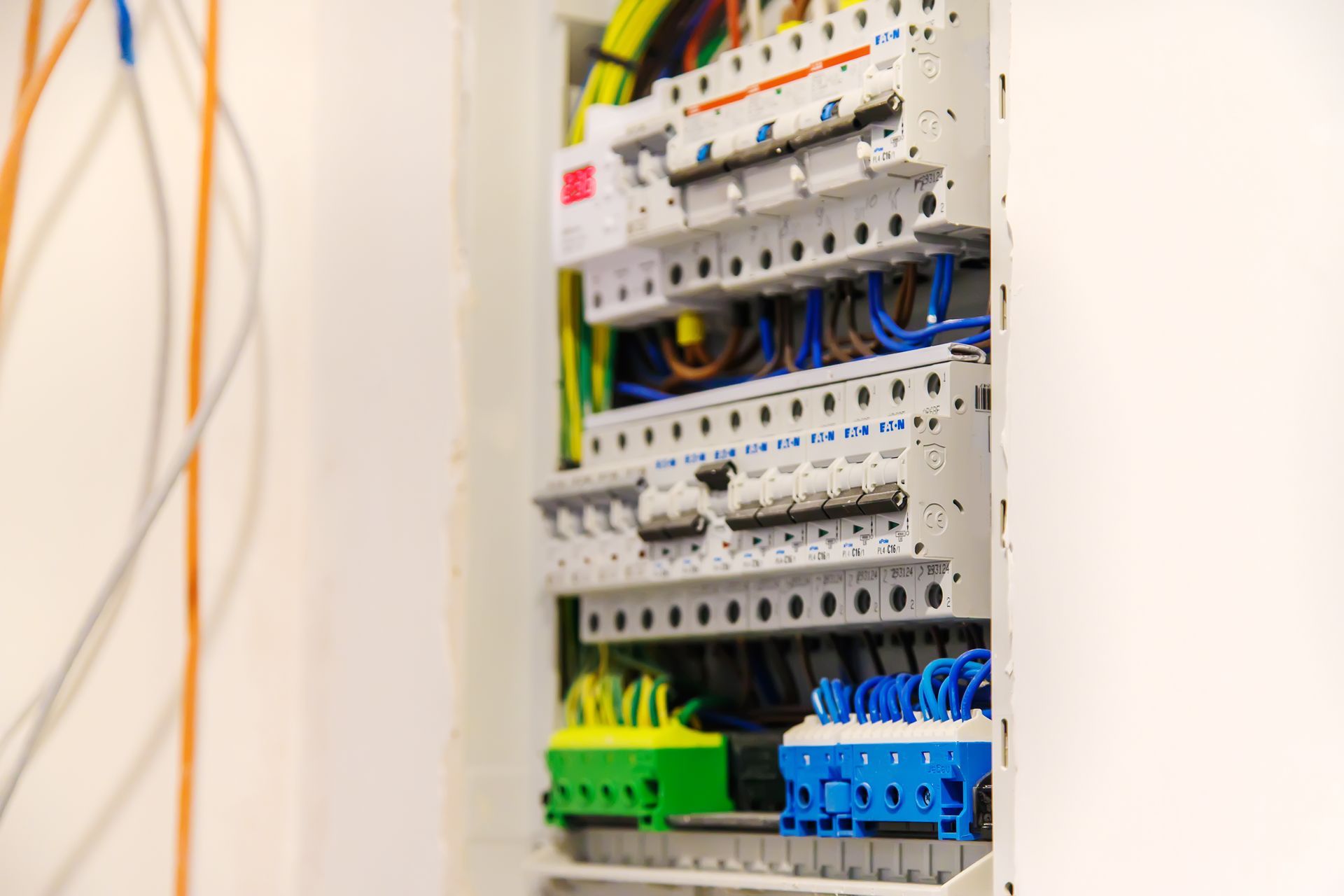
Electrical Panel Upgrades
If your home still has a 100-amp panel or an older brand that is no longer up to code, you may need a panel upgrade before the generator can be tied in. A panel upgrade typically costs $1,500 to $4,000.
Common signs your panel needs an upgrade before a generator install:
- The panel is 30 or more years old
- You have 60-amp or 100-amp service with modern appliances
- The panel is a Federal Pacific, Zinsco, or other recalled brand
- Breakers trip often during normal use
- There is no open space for new breakers
- You see rust, scorch marks, or smell anything burning
Fuel Line and Utility Connections
For natural gas, a plumber or gas-licensed installer runs a line from your meter to the generator pad. For propane, a tank and line are set up. Fuel line work usually costs $500 to $2,500.
Concrete Pad and Site Preparation
A standby generator must sit on a level, stable base. A poured concrete pad costs about $200 to $800. Factory composite pads are sometimes included with the unit.
Permits and Inspections
Most Connecticut towns require an electrical permit and a gas permit, plus a final inspection. Permits usually run $100 to $500 depending on the town.
Generator Cost by Size and Power Output
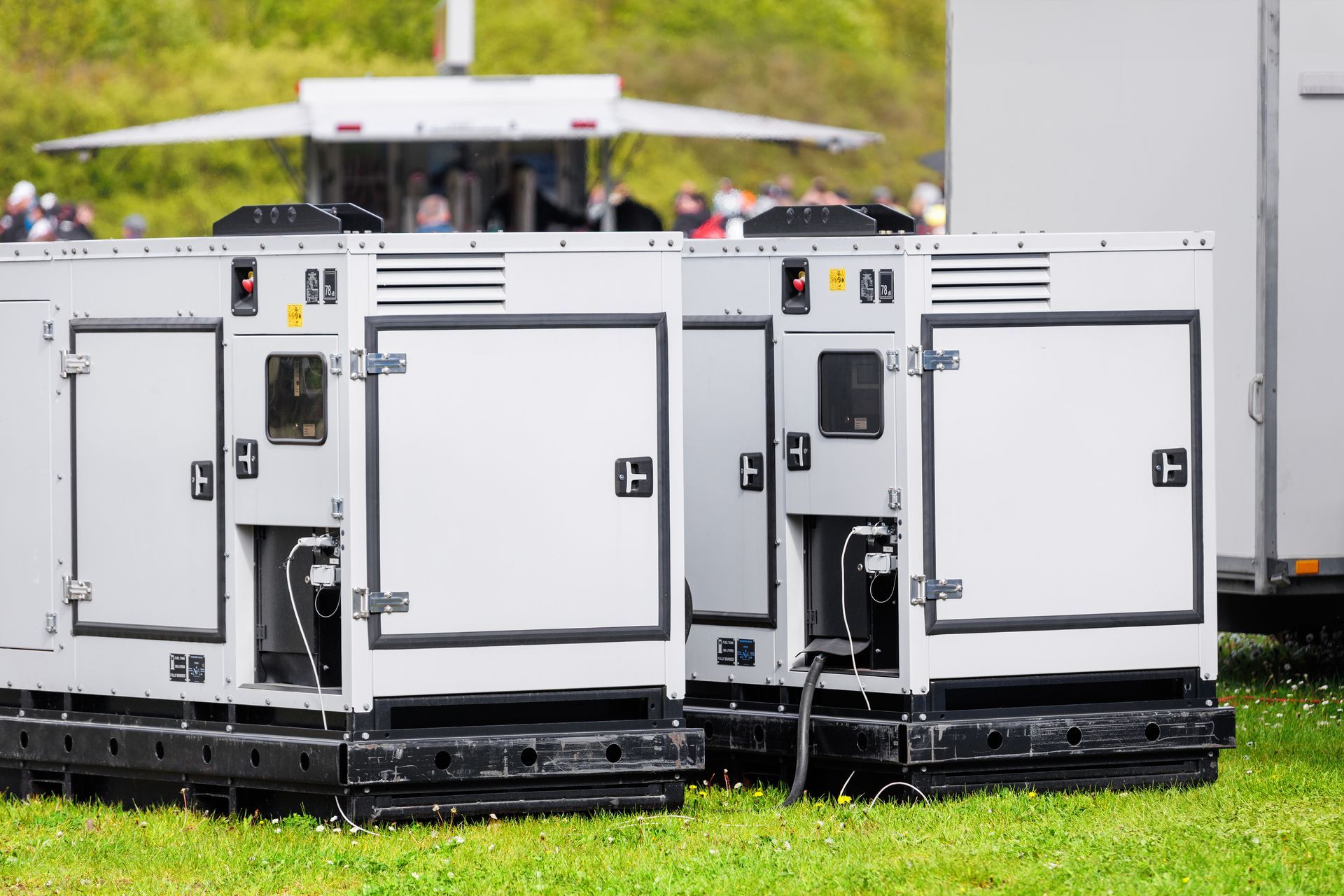
Standby generators are sized in kilowatts (kW). The right size depends on what you want to power during an outage.
| Generator Size | Best Fit | What It Powers | Typical Installed Cost |
|---|---|---|---|
| 7 to 10 kW | Small homes, condos, partial backup | Essential circuits: lights, fridge, furnace, sump | $5,000 to $8,000 |
| 14 to 20 kW | Average homes, 1,500 to 3,000 sq ft | Whole home with light load management | $9,000 to $15,000 |
| 22 to 26+ kW | Large homes, 3,000+ sq ft | Whole home, no load shedding, multiple HVAC zones | $15,000 to $25,000+ |
Small Standby Generators for Essential Circuits
Small generators cover the basics: lights, fridge, furnace blower, sump pump, and a few outlets. They are a good fit for homeowners who only want to ride out short outages without losing food or heat.
Typical Applications and Pricing
- 7 to 10 kW units: $2,000 to $4,000 for the unit alone
- Installed price:
$5,000 to $8,000
- Best for small homes, condos, or partial backup setups
Mid-Sized Whole-Home Generators
Mid-sized generators are the most popular pick for average homes. They can run most of the house at once, including AC on a moderate setting.
Common Sizes for Average Homes
- 14 to 20 kW units: $3,500 to $6,500 for the unit alone
- Installed price:
$9,000 to $15,000
- Best for 1,500 to 3,000 sq ft homes with standard appliances
Large Whole-House Generators
Large units power everything in the home with no load shedding. They are built for big homes, homes with multiple HVAC zones, or homes with well pumps and electric heat.
Powering HVAC Systems, Appliances, and More
- 22 to 26+ kW units: $5,500 to $12,000 for the unit alone
- Installed price:
$15,000 to $25,000+
- Best for large homes, homes with two AC systems, or homes on well water
How Fuel Type Affects Generator Pricing
Most standby generators run on natural gas, propane, or diesel. Each has its own cost picture, both upfront and over the years.
Natural Gas Standby Generators
Natural gas is the most common choice in Connecticut for homes that already have a gas line. There is no tank to install or refill, and the fuel supply is essentially endless during most outages. Upfront cost is the lowest of the three.
Propane Standby Generators
Propane is the top pick for homes without natural gas. It burns clean and stores well, but you'll need a tank (usually 250 to 500 gallons) and a line run to the generator. Upfront cost goes up by $1,500 to $4,000 if a new tank is needed.
Diesel Backup Generators
Diesel units are powerful and reliable but louder and more often used for commercial sites. Most homeowners do not choose diesel.
Comparing Long-Term Fuel Costs
| Fuel Type | Upfront Cost | Long-Term Fuel Cost | Best For |
|---|---|---|---|
| Natural Gas | Lowest | Low (utility-supplied) | Homes with existing gas service |
| Propane | Medium (tank needed) | Medium | Rural homes without gas lines |
| Diesel | High | Higher and storage-heavy | Commercial or remote properties |
Factors That Impact Standby Generator Installation Costs
Two homes with the same generator can end up with very different installed prices. The biggest cost drivers are:
- Long gas line runs from meter to generator pad
- Older homes that need panel or service upgrades
- Hilly, fenced, or tight side-yard installs
- Strict town setback or noise rules
- Trenching required under driveways or walkways
- Service drop upgrades from the utility company
Home Electrical Requirements
Older homes often need panel upgrades or new wiring before a generator can be installed. Newer homes with modern panels are cheaper to wire up.
Distance to Gas or Propane Supply
The longer the gas line run from the meter (or tank) to the generator pad, the higher the cost. Trenching across a long yard or under a driveway adds labor and material.
Property Layout and Accessibility
A flat, open spot near the panel and gas meter is the cheapest install. Hilly yards, fenced areas, or tight side yards take longer and cost more.
Local Permit and Code Requirements
Some Connecticut towns have stricter setback rules, noise rules, or inspection steps than others. Stricter codes can add a few hundred dollars to the project.
Existing Electrical Service Capacity
If your home's service is undersized for both the home and the generator load, the utility may need to upgrade the service drop. That can add $1,000 to $3,000 to the project.
Regional Labor Costs
Connecticut labor rates are higher than in much of the country. A generator that costs $12,000 installed in the Midwest may cost $14,000 to $15,000 here.
Additional Costs Homeowners Should Budget For
The installed price is just the start. Plan ahead for these ongoing costs.
Annual Generator Maintenance
Most makers recommend a yearly service. A standard maintenance visit usually runs $200 to $500 a year and covers:
- Oil and oil filter change
- Air filter inspection and replacement as needed
- Spark plug check
- Battery test and terminal cleaning
- Coolant level check on liquid-cooled units
- Full system test under load
Extended Warranties and Service Plans
Most generators come with a 5-year limited warranty. Extended warranties (7 or 10 years) usually add $300 to $1,000.
Future Repairs and Component Replacement
Standby generators last 20 to 30 years with good care. Over that time, expect to replace the battery (every 2 to 3 years) and other small parts. Budget a small reserve fund for repairs as the unit ages.
How Much Does a Whole-House Generator Cost?
A true whole-house generator powers everything in your home at once. Installed, most cost $12,000 to $25,000+.
The right size depends on a real load calculation, not on square footage alone. A 3,000 sq ft home with one HVAC system, gas heat, and city water needs less power than a 3,000 sq ft home with two AC zones, electric heat, and a well pump. The second home can cost $5,000 to $8,000 more.
Partial home backup powers only key circuits and costs less, but you cannot run the AC, dryer, or oven during an outage. Whole-home backup powers everything, but the unit and panel work cost more.
Popular Standby Generator Brands and Price Differences
Brand affects warranty, parts, and long-term service. Here's how the main brands compare at typical sizes.
Generac
Generac is the most installed standby brand in the U.S. They offer a wide size range, strong dealer support, and competitive pricing. A mid-sized Generac unit usually lands at the low end of the installed range.
Kohler
Kohler is known for build quality and quiet operation. Kohler units usually cost a bit more than Generac at the same size but tend to run quieter, which matters in tight neighborhoods.
Briggs & Stratton
Briggs & Stratton offers solid mid-tier units at lower prices. Dealer networks are smaller, so parts and service may be harder to find in some areas.
How to Get an Accurate Standby Generator Quote
A good quote is built on a site visit and a real load calculation. Phone quotes and online estimates are only ballpark numbers.
Evaluating Your Home's Power Requirements
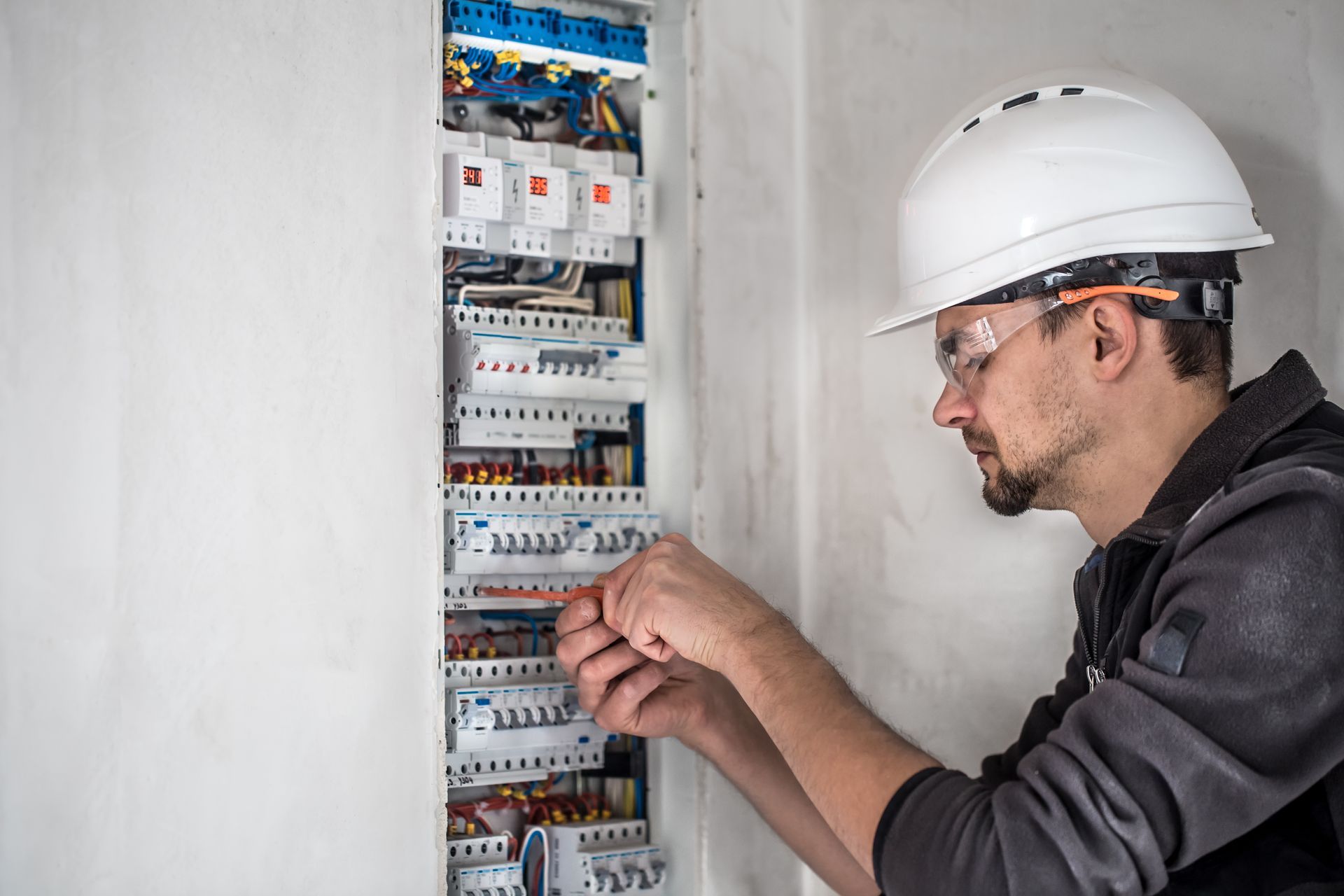
A licensed electrician should walk through your home, look at your panel, list your major appliances, and calculate your peak load. That number drives the right generator size.
Questions to Ask Before Hiring an Installer
- Are you a licensed Connecticut electrician?
- Will you pull the electrical and gas permits?
- Is the transfer switch and concrete pad included in the quote?
- What size unit do you recommend, and why?
- Do you offer a maintenance plan after installation?
Get a Professional Standby Generator Estimate
A real quote starts with a site visit. A licensed electrician should check your panel, your fuel supply, your yard, and your usage, then list the unit, transfer switch, pad, wiring, fuel hookup, permits, and labor as separate lines on the estimate.
Cahill Electrical Services walks every Connecticut homeowner through each part of the project before any work starts, so you know exactly what you're paying for and why.
Contact Cahill Electrical Services to schedule your
standby generator evaluation today.
Frequently Asked Questions
How long can a standby generator run during a power outage?
A natural gas standby generator can run for days or even weeks straight, as long as the gas utility stays online. The bigger limit is the unit itself: most makers recommend shutting it down for an oil check after about 24 to 48 hours of continuous use, then restarting. Propane units run only as long as the tank holds out. A 500-gallon propane tank usually powers a mid-sized generator for 5 to 7 days under moderate load.
How often does a standby generator need to be tested or exercised?
Standby generators run a self-test on their own, usually once a week for about 5 to 20 minutes. This keeps the engine lubricated and the battery charged. On top of that, plan on one full professional service per year, plus a battery swap every 2 to 3 years.
Will a standby generator power my central air conditioning?
Yes, but only if it's sized for it. Central AC pulls a big surge of power when it kicks on. A small 10 kW unit usually can't handle that. Most mid-sized units (16 kW and up) can run one central AC system along with normal household loads. Homes with two AC zones, electric heat, or a heat pump usually need 22 kW or larger.
How close to my house can a standby generator be installed?
Most manufacturers require a minimum of 18 inches from the home and 5 feet from any window, door, or fresh-air intake. Local Connecticut codes sometimes add stricter setback rules, especially for side-yard installs on smaller lots.
How loud is a standby generator when it runs?
A typical residential standby generator runs around 65 to 75 decibels at 23 feet, which is close to the sound of a normal conversation or a window AC unit. Premium models with sound-deadening enclosures run quieter, in the 60 to 65 decibel range.
Recent Posts