
What Does It Cost to Upgrade to a 200-Amp Electrical Panel?
September 25, 2026
or give us a call at

Quick Answer: Upgrading to a 200-amp electrical panel typically costs Connecticut homeowners $2,000 to $4,500, with most standard 100-to-200-amp jobs landing in that range. It climbs toward $5,000 or more when the meter, service-entrance cable, or mast also need replacing, when old wiring must be corrected, or when the panel has to be relocated. This is the most common panel upgrade we do, because 200-amp service has become the baseline modern homes need.
At Cahill Electrical Services, we upgrade homes to 200-amp service across New Haven County, and as licensed, insured electricians working since 2013, we handle the panel, the service entrance, the permit, and the utility coordination as one job. Here is exactly what goes into a 100-to-200-amp upgrade and what each part costs.
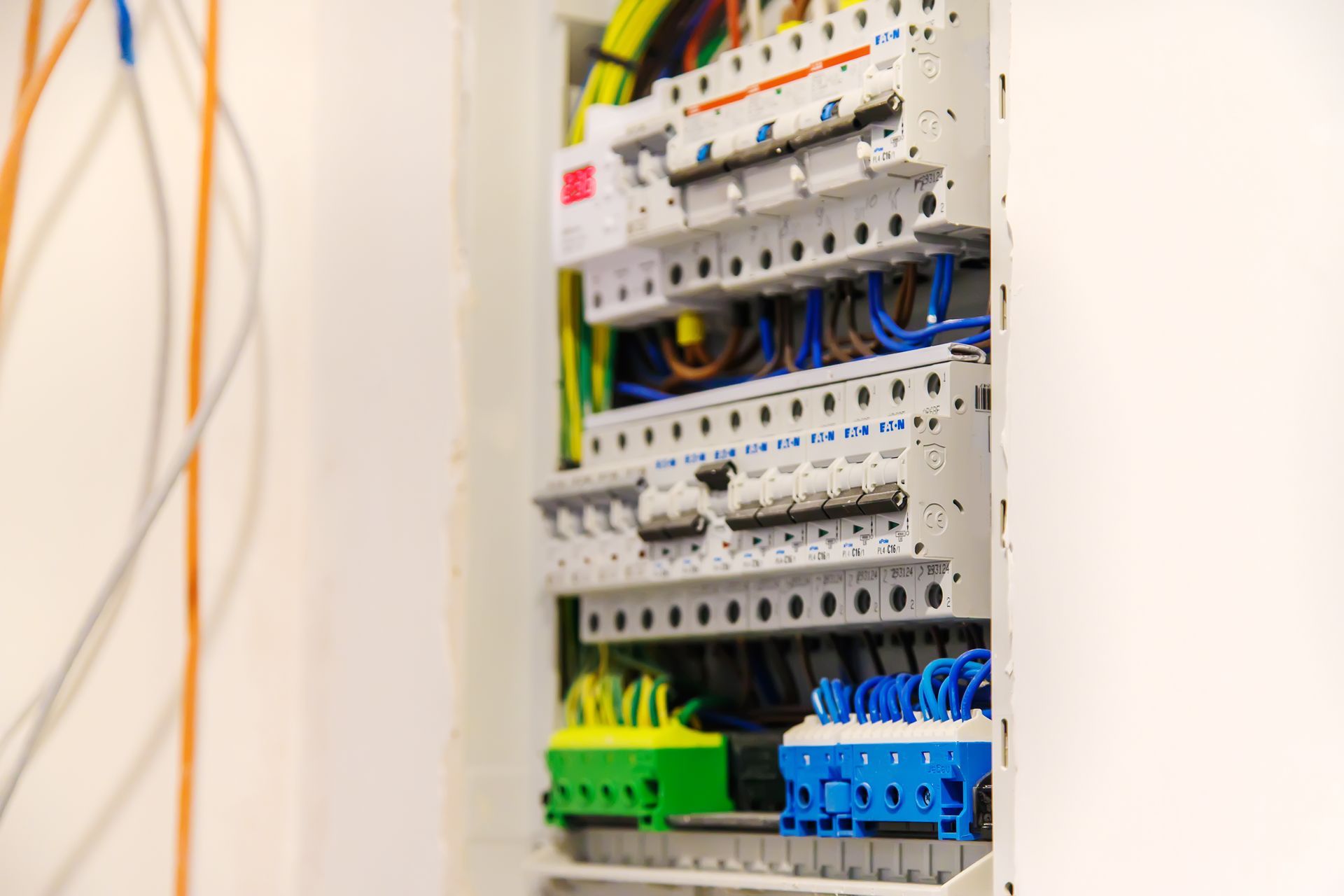
Why 200-Amp Is the Standard
If you are upgrading, 200-amp service is almost certainly your target, and for good reason. It has been the baseline for new home construction for years, because modern households simply draw more power than the 60-amp and 100-amp services common in older Connecticut homes.
The math has changed with how we live. Central air, electric ranges and dryers, heat pumps, hot tubs, and now EV chargers all pull heavily, and a 100-amp panel that was fine in 1985 runs out of headroom fast today.
Enough Capacity for What Comes Next
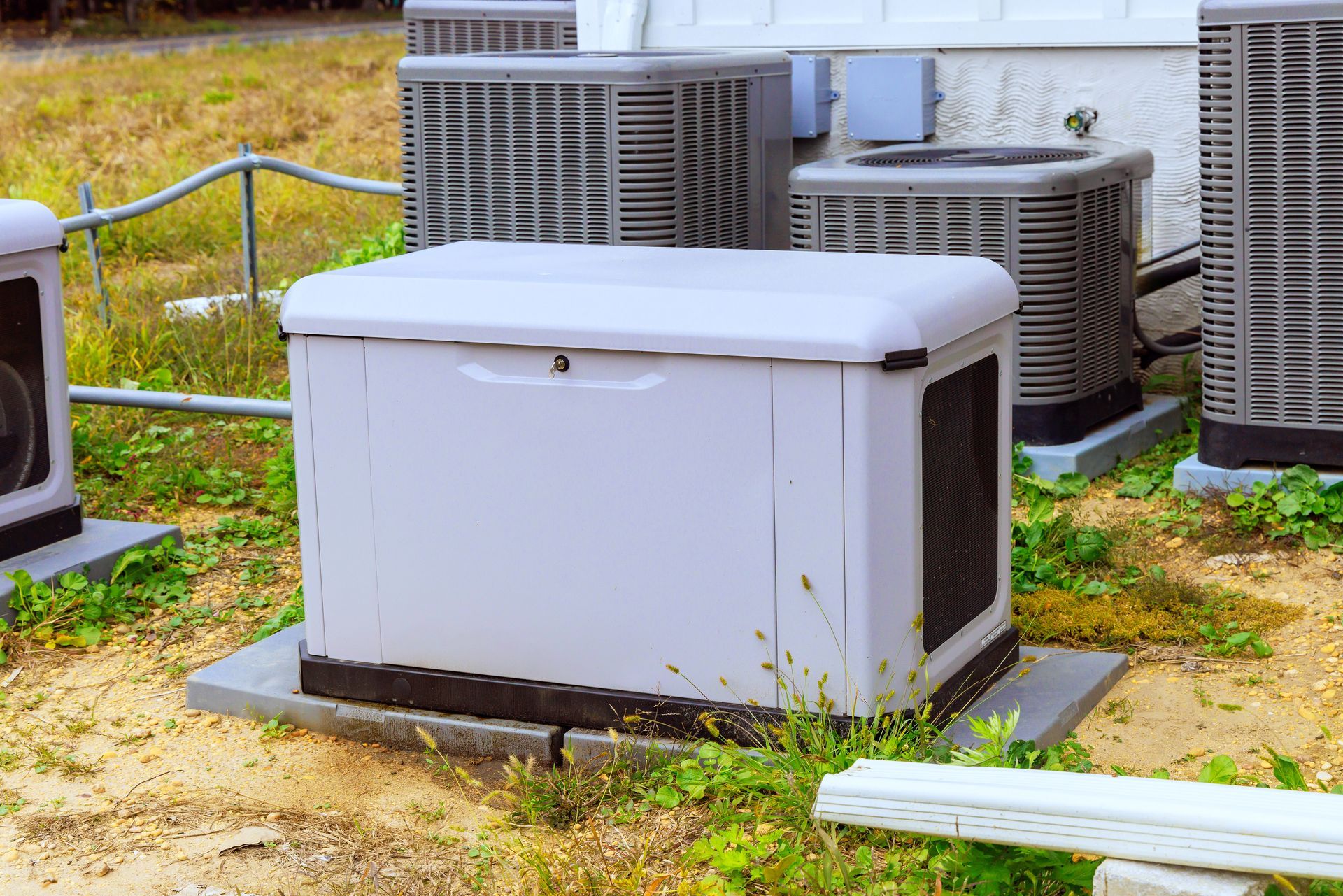
The value of 200-amp service is not just handling today's loads, it is leaving room for tomorrow's. If you are considering an
EV charger or a
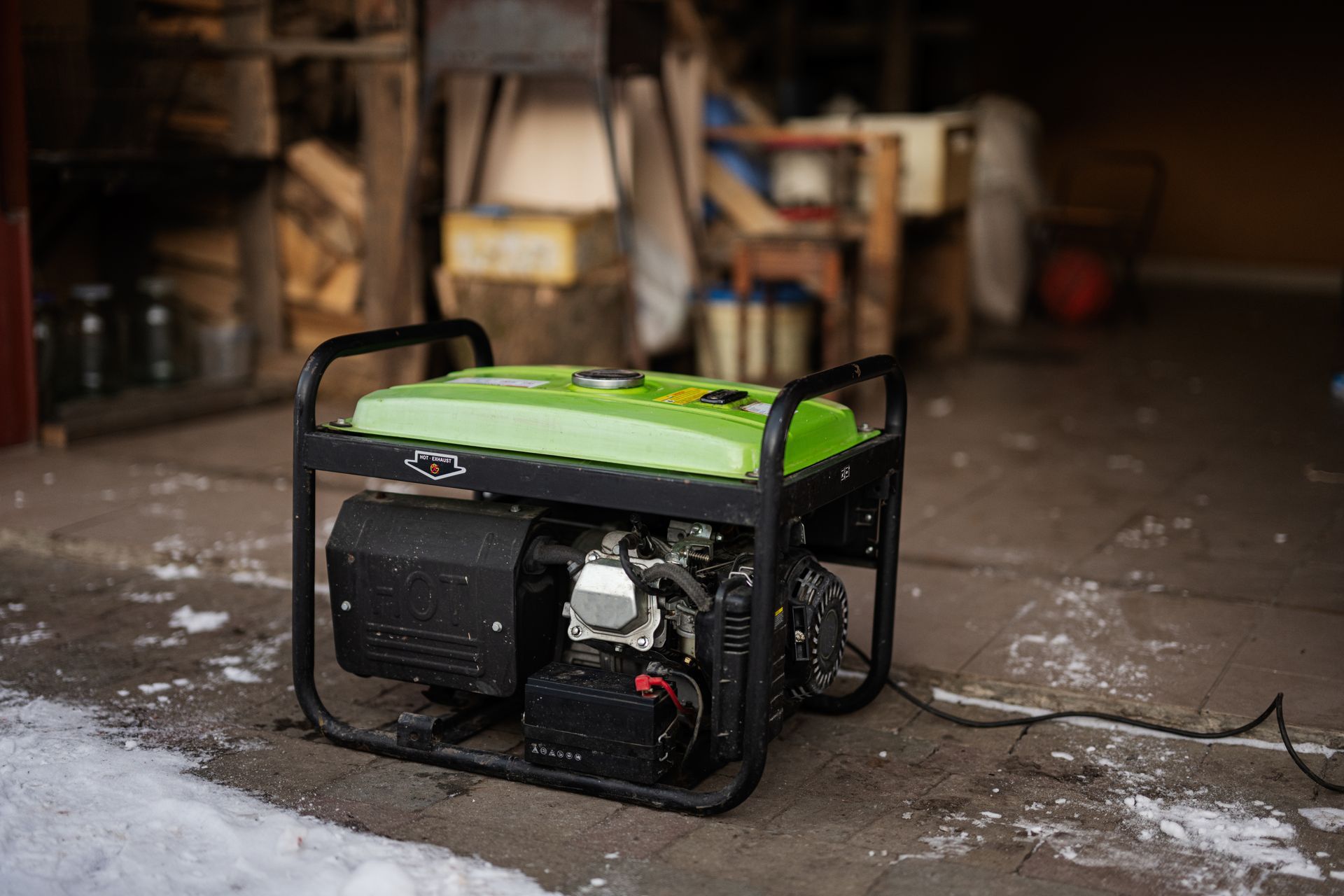
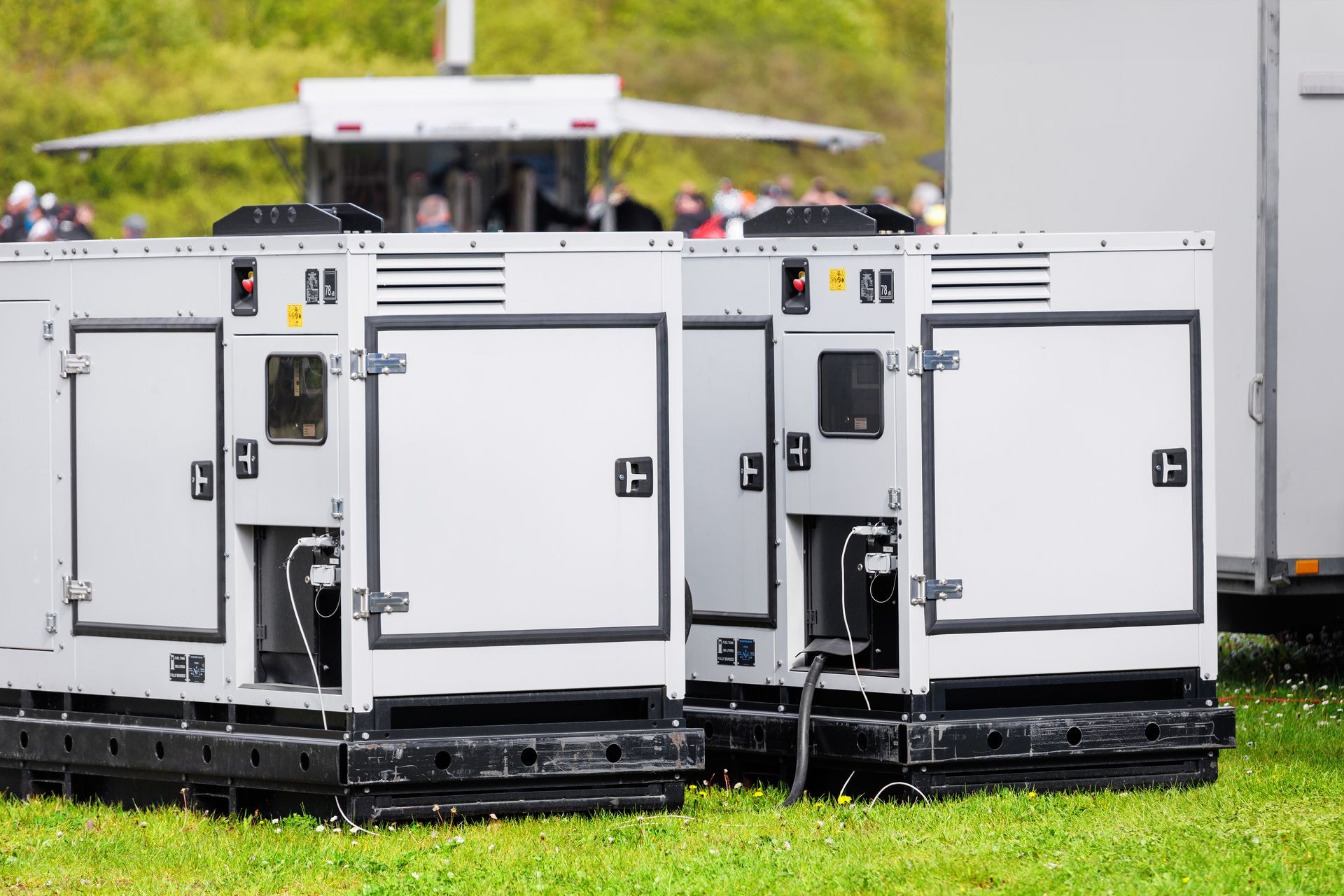
standby generator in the next few years, upgrading to 200 amps now means the capacity is already there when you add them, rather than paying for a second round of electrical work later.
What a 100-to-200-Amp Upgrade Involves
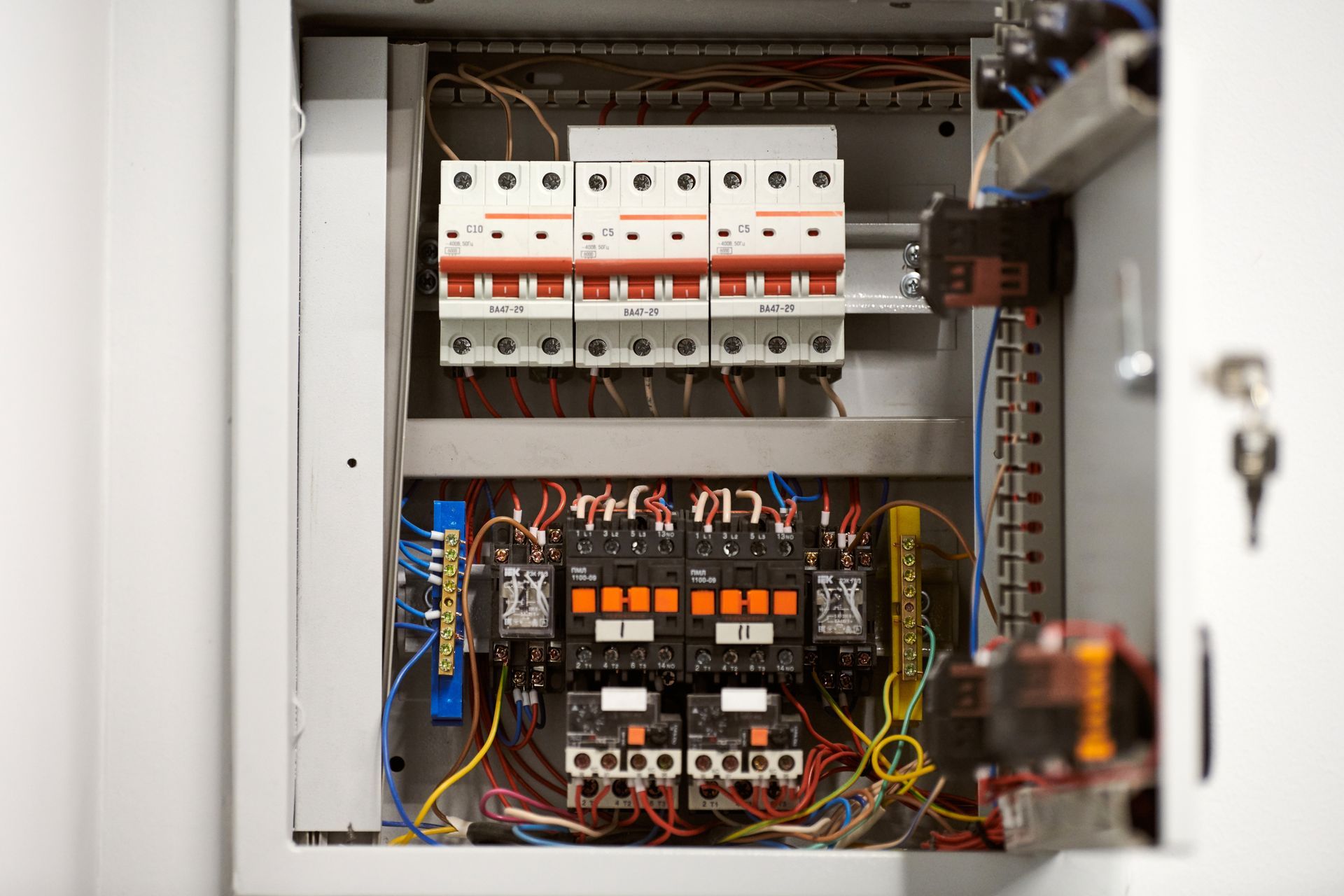
A 200-amp upgrade is more than swapping the breaker box, which is why it costs more than a simple panel replacement. You are increasing the amount of power coming into the home, so several connected components have to be upgraded to match.
Understanding the parts explains where the cost comes from and why this is licensed electrician work, not a weekend project.
The Components of the Job
A complete 100-to-200-amp upgrade generally includes:
- A new 200-amp panel with new breakers sized for your circuits
- New service-entrance cable rated to carry 200 amps safely
- A new meter socket, and often a new mast or weatherhead where the service enters
- Updated grounding and bonding to meet current code
- Utility disconnect and reconnect at the meter to make the change safely
- Permit and inspection to certify the work
Why It Is a Whole-System Job
You cannot safely push 200 amps through wiring and a meter rated for 100. That is why the service entrance and meter come up on nearly every 200-amp upgrade, and it is the main reason the job costs more than replacing a panel at the same amperage. If your service still meets your needs and you only need a new box, our guide on electrical panel replacement cost covers that simpler scenario.
The Cost Breakdown
Seeing where the money goes makes the total easier to understand and to compare between quotes. The figures below are typical for a standard 100-to-200-amp upgrade in our area; your project may vary.
| Component | Typical Cost | Notes |
|---|---|---|
| 200-amp panel and breakers | $500 to $1,200 | Equipment, varies by brand and circuit count |
| Labor | $800 to $2,000 | Roughly 6 to 12 hours of licensed work |
| Service entrance, meter, mast | $500 to $1,500 | When these need upgrading to carry 200 amps |
| Permit and inspection | $100 to $500 | Varies by town |
| Code items (surge, grounding) | $150 to $600 | Modern code compliance at the panel |
What Most Homeowners Pay
Add those together and a straightforward 100-to-200-amp upgrade lands around $2,000 to $4,500 for most Connecticut homes, with simpler jobs on the lower end and more involved ones higher. The single biggest variable is how much of the service entrance and meter work is needed, which an electrician can only confirm by looking at your specific setup.
Comparing Quotes Fairly
When you collect estimates, the numbers only mean something if they cover the same scope. A low quote that leaves out the service-entrance and meter work, the permit, or the code-required items is not really cheaper, it just moves those costs to a change order later. Ask each electrician whether the price includes the meter and service entrance, the permit and inspection, and the utility coordination, so you are comparing complete jobs rather than a partial number against a full one.
What Pushes the Price Higher
Some 200-amp upgrades run well above the typical range, and it is worth knowing what causes that so a higher quote makes sense rather than seeming like padding. These are the conditions that add real cost.
Each of these is about extra work the upgrade uncovers or requires beyond the standard job.
- Meter or mast replacement when the existing hardware cannot carry 200 amps
- Aluminum or knob-and-tube wiring in older homes that needs correcting to pass inspection
- Panel relocation if the current spot no longer meets code or you want it moved
- A finished or hard-to-access location that adds labor time
- A full 400-amp service instead, for very large homes or heavy solar and EV loads, which is a different and costlier project
The Older-Home Factor
Many New Haven County homes were built well before 200-amp service was standard, and the older the home, the more likely the upgrade surfaces additional work. A pre-1960 house may have wiring that has to be addressed before the new service passes inspection, which is why an on-site assessment matters more than any online average. If you are weighing options across amperages, our broader guide on
electrical panel upgrade cost compares them side by side.
Permits, Utility, and Timeline in CT
A 200-amp upgrade in Connecticut is a permitted, inspected job that involves your utility, and that process shapes both the cost and the schedule. Knowing how it works keeps the project predictable.
Two outside parties are involved beyond your electrician: your town and your utility.
Permit and Inspection
The upgrade requires a permit and a municipal inspection to certify the new service meets code. Your electrician pulls the permit and coordinates the inspection, and passing it is what makes the upgrade safe, legal, and clean for a future home sale.
Utility Coordination and Timeline
Because you are increasing service capacity, your utility, United Illuminating or Eversource depending on your town, has to disconnect and reconnect power at the meter. The hands-on panel and service work is often completed in a day, but coordinating the utility and inspection can extend the overall timeline, which is normal for this kind of job. Our
panel and wiring services walk through what to expect.
Ready to Upgrade to 200-Amp Service?
Whether your panel is out of capacity or you are getting ahead of an EV charger or generator, Cahill Electrical Services can handle your 200-amp upgrade end to end, panel, service entrance, permit, and utility coordination included. We are a licensed, insured electrical company serving New Haven County since 2013. Call or text us at (203) 468-0034 or reach out through our
contact page for a free estimate.
Frequently Asked Questions
How much does it cost to upgrade to a 200-amp panel?
A standard 100-to-200-amp upgrade typically costs Connecticut homeowners $2,000 to $4,500, and can reach $5,000 or more when the meter, service-entrance cable, or mast need replacing, when old wiring must be corrected, or when the panel is relocated. The service-entrance work is usually the biggest variable, so an on-site assessment gives the most accurate number.
Why does a 200-amp upgrade cost more than a panel replacement?
Because it increases your service capacity, not just the panel. Pushing 200 amps into a home safely usually requires new service-entrance cable, a new meter, updated grounding, and utility coordination, none of which a like-for-like panel replacement needs. That extra work is what separates an upgrade from a straight replacement.
Is 200-amp service enough for an EV charger and a generator?
For most homes, yes. Upgrading to 200-amp service is often done specifically to create headroom for high-draw additions like EV chargers, standby generators, heat pumps, and hot tubs. If you are planning several of these or have a very large home, an electrician's load calculation will confirm whether 200 amps is enough or a larger service makes sense.
Do I need a permit to upgrade to a 200-amp panel in Connecticut?
Yes. The upgrade requires a permit and a municipal inspection, and increasing your service also involves coordinating with your utility to disconnect and reconnect power. A licensed electrician handles all of it, which keeps the work compliant, safe, and documented for a future home sale.
How long does a 200-amp panel upgrade take?
The hands-on panel and service-entrance work is often completed in a single day. However, the full project can take longer because it depends on scheduling the permit inspection and coordinating with the utility to disconnect and reconnect power, both of which are outside the electrician's direct control.
Recent Posts