
How Does a Whole House Surge Protector Work?
July 25, 2026
or give us a call at

A whole house surge protector works by detecting excess voltage entering your electrical system and instantly diverting that extra energy safely to ground before it can reach your wiring, appliances, and electronics. Installed at your main electrical panel, it acts like a pressure release valve for electricity: it lets normal voltage pass through untouched and only springs into action the moment a surge appears. The whole process happens in a fraction of a second, automatically.
At Cahill Electrical Services, we are licensed electricians who install and service whole house surge protection for homeowners across New Haven, Hamden, and the surrounding Connecticut communities. We wire these devices into panels regularly, so this explanation reflects how the equipment actually functions in a real home electrical system.
Start with the simple version, then see exactly how each part works.
In This Guide
- The simple explanation: How it works in one minute.
- What a power surge actually is: The problem it solves.
- How the device detects and diverts surges: The mechanism, step by step.
- Where it is installed and why: The role of the electrical panel.
- Whole house vs plug-in protection: Why layers work together.
- The two layers compared: Whole house vs plug-in, side by side.
- What it can and cannot do: Setting the right expectations.
- Frequently asked questions: Quick answers to common questions.

The Simple Explanation
At its core, a whole house surge protector does one job: it stops excess voltage from reaching the things you want to protect. Understanding it does not require an electrical background, just a simple picture of how electricity flows through your home.
The Pressure Valve Analogy
Think of your home's electricity like water flowing through pipes at a steady pressure. A power surge is like a sudden spike in that pressure that could burst the pipes and damage whatever is connected.
A surge protector is the release valve. It sits quietly while pressure is normal, then opens instantly when the pressure spikes, sending the excess safely away before it can do harm. Once the surge passes, it closes again and resumes normal operation.
The analogy holds in another way, too: just as a pressure valve protects an entire plumbing system from one spot, a whole house surge protector guards your entire electrical system from a single point at the panel rather than device by device.
Always On, Automatic Protection
The device works automatically, around the clock, with no input from you. It constantly monitors the voltage coming into your home and reacts on its own the instant a surge appears, day or night.
That automatic, always-on nature is what makes whole house protection so effective. You do not have to do anything for it to protect your home, and there is nothing to switch on, reset, or remember during a storm.
What a Power Surge Actually Is
To understand how the protector works, it helps to understand what it is fighting. A surge is simply a brief spike in voltage above the normal level.
Normal Voltage vs a Surge
Your home's electrical system runs at a standard voltage. A surge is a sudden, short burst of voltage well above that level, lasting only a tiny fraction of a second.
Even brief, these spikes carry enough energy to damage sensitive electronics or gradually wear down appliances. The higher the spike, the more damage it can do in that instant.
Not every surge blows something out immediately. Many are small enough to cause no visible problem at first, but repeated small surges slowly degrade electronics over months and years, shortening their lifespan in ways most homeowners never connect back to power quality.
Where Surges Come From
Surges have two main sources, and a whole house protector is designed to handle both.
- External surges from lightning strikes, utility grid switching, and downed power lines.
- Internal surges from large appliances like air conditioners and refrigerators cycling on and off.
Most people picture lightning, but the small internal surges that happen daily are a common cause of the slow wear that shortens the life of electronics. A whole house protector is designed to handle both the dramatic external spikes and these quiet everyday ones.
How the Device Detects and Diverts Surges
Here is the heart of it. A surge protector is built around components that can sense a voltage spike and redirect it almost instantly.
Sensing the Surge
Inside the device are components, most commonly metal oxide varistors, that respond to voltage. At normal voltage they act like a closed door, letting electricity flow past to your home as usual.
The moment voltage rises above a set threshold, these components change behavior and effectively open a path. This reaction happens in nanoseconds, far faster than any surge can travel through your home.
The threshold is set well above your normal operating voltage, so everyday fluctuations do not trigger it, but comfortably below the level that would damage your equipment. This tuning is what lets the device stay out of the way during normal use and react only when there is a genuine threat.
Diverting the Energy to Ground
Once that path opens, the excess energy is channeled away from your circuits and sent safely into your home's grounding system, which carries it harmlessly into the earth.
This is the key action: the surge protector does not absorb the entire surge so much as give it a safer route to travel than through your wiring and devices. The extra energy goes to ground instead of into your refrigerator.
This is also why a solid grounding system is essential. The surge protector is only as good as the path it has to send energy into the earth, so a home with poor or outdated grounding will not get the full benefit until that is corrected. The device and the ground work as a pair.
Returning to Normal
As soon as the voltage drops back to normal, the components close the path again and the device returns to standby. It is ready for the next surge immediately.
This cycle can repeat many times over the device's life, though very large surges gradually wear the components, which is why surge protectors eventually need replacement.
Because the whole sequence, sensing, diverting, and resetting, happens in a fraction of a second, your lights may not even flicker during a surge the device handles. The protection is essentially invisible in normal use, quietly doing its job in the background every time a spike passes through.
Where It Is Installed and Why
Location is a big part of how whole house protection works. It is installed at the one point where it can guard your entire home at once.
At the Electrical Panel
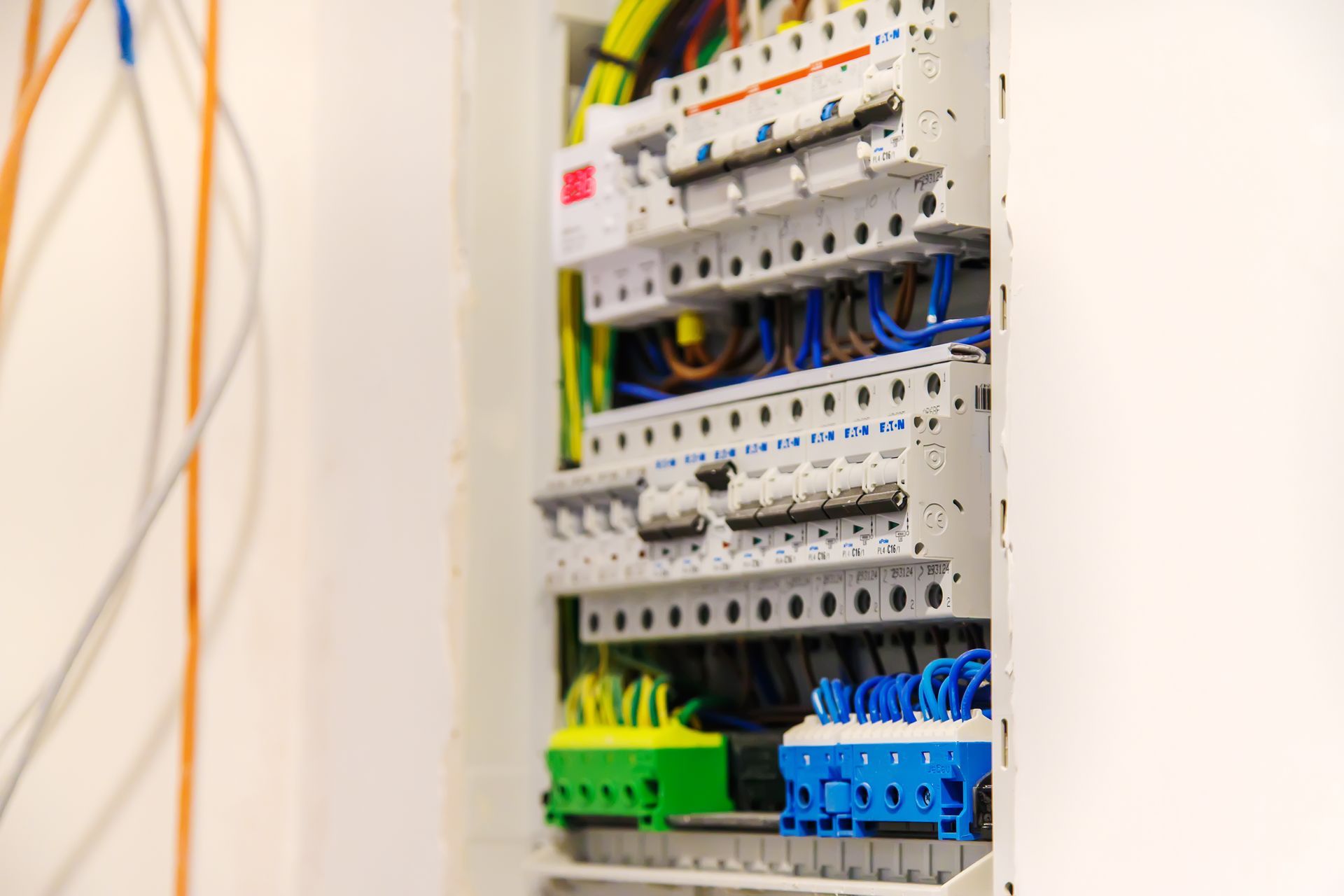
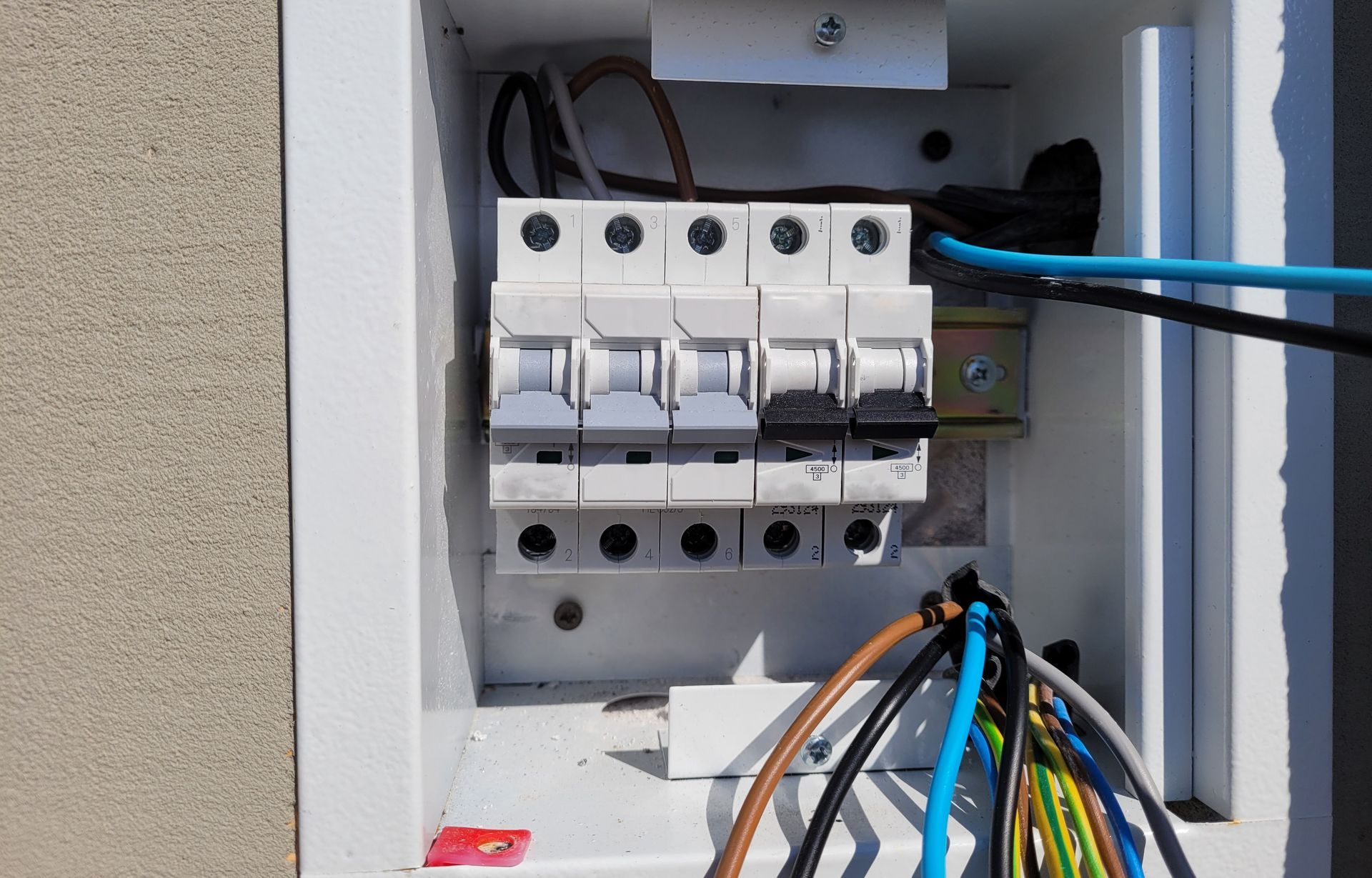
A whole house surge protector is wired directly into or beside your main electrical panel, the point where power enters your home and splits into circuits. This placement lets it intercept surges before they spread to any circuit.
Because it sits at this central point, a single device protects everything downstream: every outlet, appliance, and hardwired system in the house. That is what makes it whole house protection rather than point-of-use protection.
This central placement is also why it can protect things a plug-in strip never could, like your furnace, central air, well pump, and built-in appliances. Anything wired into the panel is shielded, not just the devices you happen to plug into a protected outlet.
Why It Requires a Professional
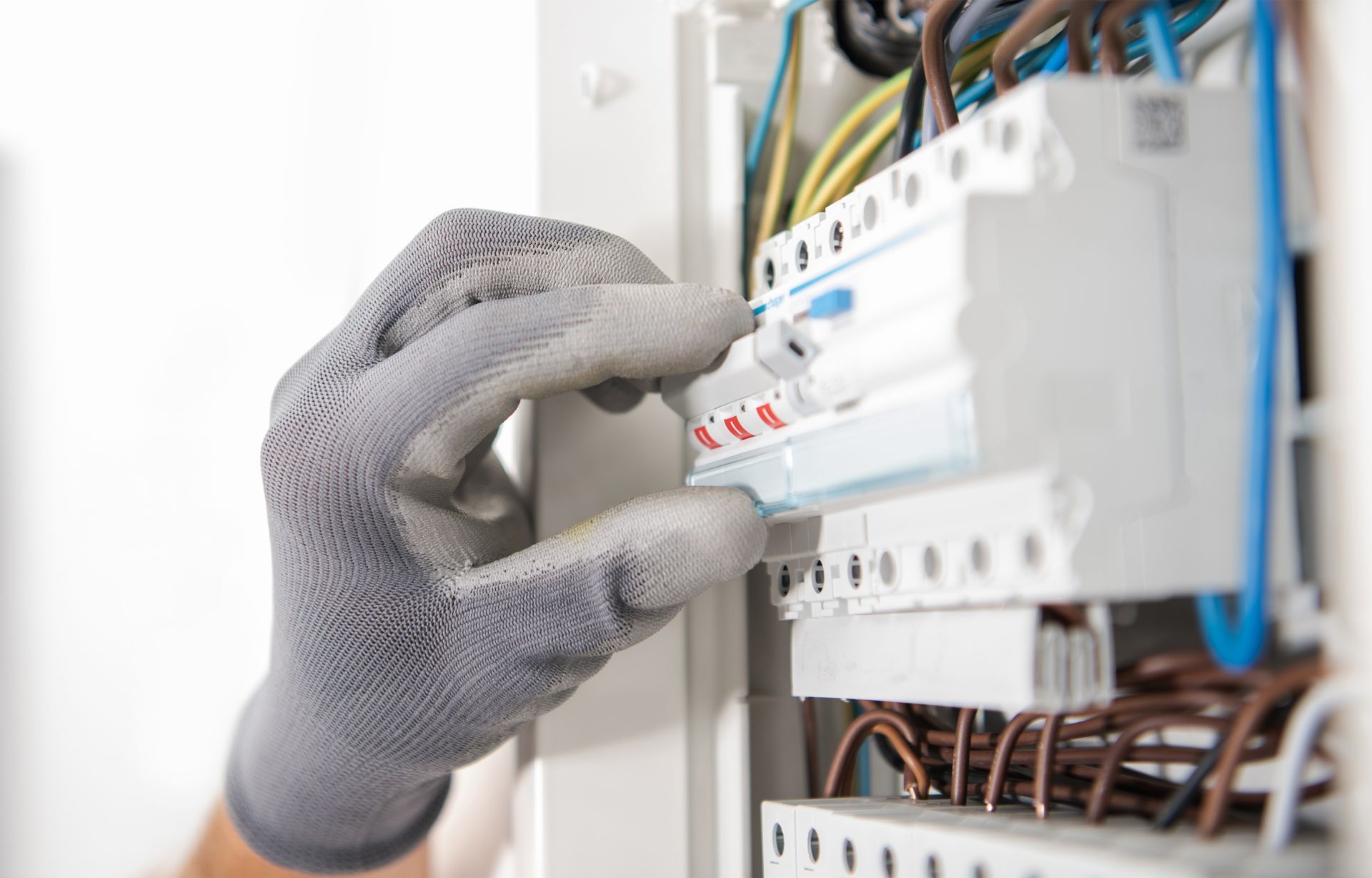
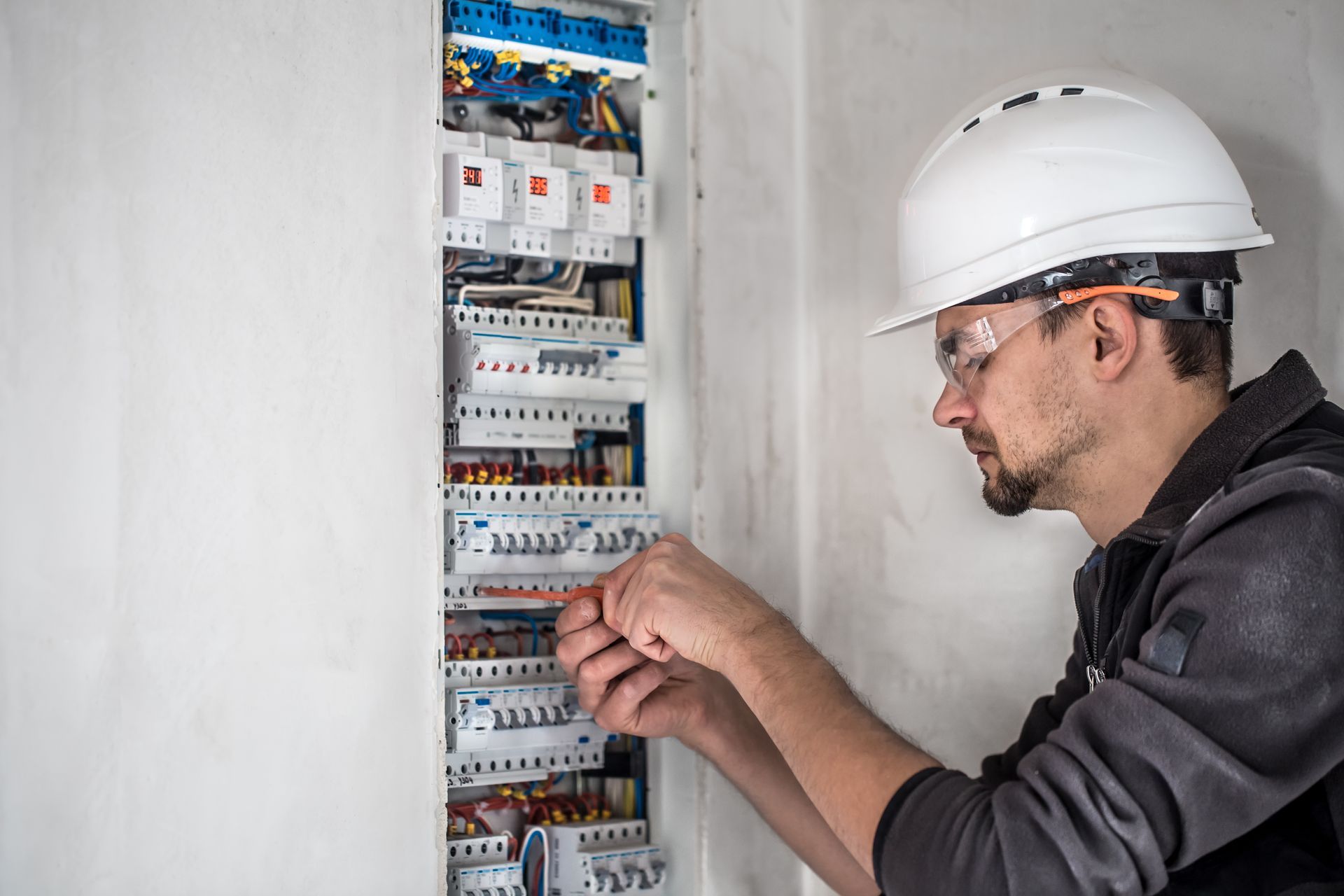
Because the device connects to your main panel, where wiring carries dangerous voltage, installation is a job for a licensed electrician. Proper connection and grounding are essential to how the device functions.
A surge protector can only divert energy to ground if it is correctly bonded to a sound grounding system, which is one reason professional installation matters. Our inspection and safety team confirms the panel and grounding are ready before installing one.
There are also code and safety reasons. Recent electrical codes call for surge protection on many homes, and a licensed electrician makes sure the device is properly rated, correctly connected, and installed to code so it will pass inspection and perform as intended. Opening a live panel is dangerous work that is not a DIY project.
Whole House vs Plug-In Protection
A common question is how whole house protection relates to the power strips people already use. They work best together, in layers.
Two Layers of Defense
Whole house and plug-in surge protectors handle different parts of the job, which is why many electricians recommend both.
- The whole house unit stops large surges at the panel before they enter the home.
- Plug-in protectors catch smaller residual surges and internal surges right at sensitive devices.
Think of the whole house device as the first and largest line of defense, with plug-in units providing a final layer at your most valuable electronics.
The Two Layers Compared
This table shows how the two types divide the work of protecting your home.
| Feature | Whole House Protector | Plug-In Protector |
|---|---|---|
| Location | At the electrical panel | At an individual outlet |
| Protects | The entire home | One device or power strip |
| Surge size handled | Large incoming surges | Small residual and internal surges |
| Hardwired systems | Yes, HVAC, well pump, etc. | No |
| Installation | Licensed electrician | Plug it in yourself |
The two are partners, not competitors. The whole house unit takes the big hit at the panel, and plug-in protectors clean up whatever small energy reaches your most sensitive electronics.
Why One Is Not Always Enough
A whole house protector greatly reduces the energy of an incoming surge, but a small amount can still get through, and internal surges originate past the panel. Point-of-use protectors handle that remainder.
Together, the two layers give sensitive electronics like computers and home theaters the most complete protection. To weigh whether the investment fits your home, see our guide on whether a whole house surge protector is worth it.
Internal surges are a good example of why the plug-in layer still matters. Because they originate inside the home, from appliances cycling on and off past the panel, the whole house unit cannot always catch them at the source, so a plug-in protector at a sensitive device provides that last bit of coverage.
What It Can and Cannot Do
Understanding the limits is part of understanding how a surge protector works. It is powerful, but it is not magic.
What It Protects Against
A whole house surge protector is excellent at handling voltage spikes, both the large external kind and the everyday internal kind. It protects hardwired systems that plug-in strips cannot, like your HVAC, well pump, and built-in appliances.
For most homes, this covers the majority of surge-related risk, which is why it is considered foundational electrical protection rather than an optional add-on. It is often the first upgrade electricians recommend for protecting a modern, electronics-heavy home.
What It Does Not Do
A surge protector does not stop power outages, and it is not a substitute for a generator or battery backup. It also cannot guarantee protection against an extremely large direct lightning strike, which can exceed any device's capacity.
It also wears over time, since each surge slightly degrades the internal components. Many units have an indicator light showing when they need replacement, which is worth checking periodically. Pairing surge protection with a healthy electrical panel and wiring gives your home the strongest overall protection.
It is also not a whole-home cure-all for every electrical problem. It does not fix flickering lights caused by loose wiring, prevent circuits from tripping, or replace the need for proper grounding and up-to-date wiring. It is one important layer of protection that works best as part of a sound electrical system.
Protecting Your Home the Smart Way
A whole house surge protector works by sensing excess voltage and instantly diverting it to ground, all automatically, from its position at your electrical panel. That simple mechanism protects every circuit in your home from the surges that damage electronics and wear down appliances.
At Cahill Electrical Services, we install and service whole house surge protection for homeowners across New Haven and Hamden, and confirm your panel and grounding are ready to support it. When you are ready,
reach out for a consultation to talk through protecting your home. We will make sure it is installed and grounded correctly so it works when you need it.
Frequently Asked Questions
How does a whole house surge protector actually stop a surge?
It senses when incoming voltage rises above a safe threshold and instantly opens a path that diverts the excess energy into your home's grounding system, sending it safely to earth. This happens automatically in nanoseconds, before the surge can reach your circuits.
Where is a whole house surge protector installed?
It is wired into or beside your main electrical panel, where power enters the home. This central location lets a single device protect every circuit, outlet, and hardwired system downstream, which is why professional installation at the panel is required.
Does a whole house surge protector stop all surges?
It stops or greatly reduces the vast majority, but a small amount of energy can still pass through, and it cannot fully guarantee protection against a massive direct lightning strike. Pairing it with plug-in protectors at sensitive devices gives the most complete coverage.
Do whole house surge protectors wear out?
Yes. Each surge slightly degrades the internal components, so the device gradually loses capacity and eventually needs replacement. Many models have an indicator light that shows when the unit is still protecting your home and when it should be replaced.
Is a whole house surge protector the same as a power strip?
No. A power strip is a plug-in, point-of-use protector for a few devices, while a whole house unit installs at the panel and protects the entire home, including hardwired systems. They work best as complementary layers rather than substitutes.
Recent Posts