
What Size Standby Generator Do I Need for My Home?
August 28, 2026
or give us a call at

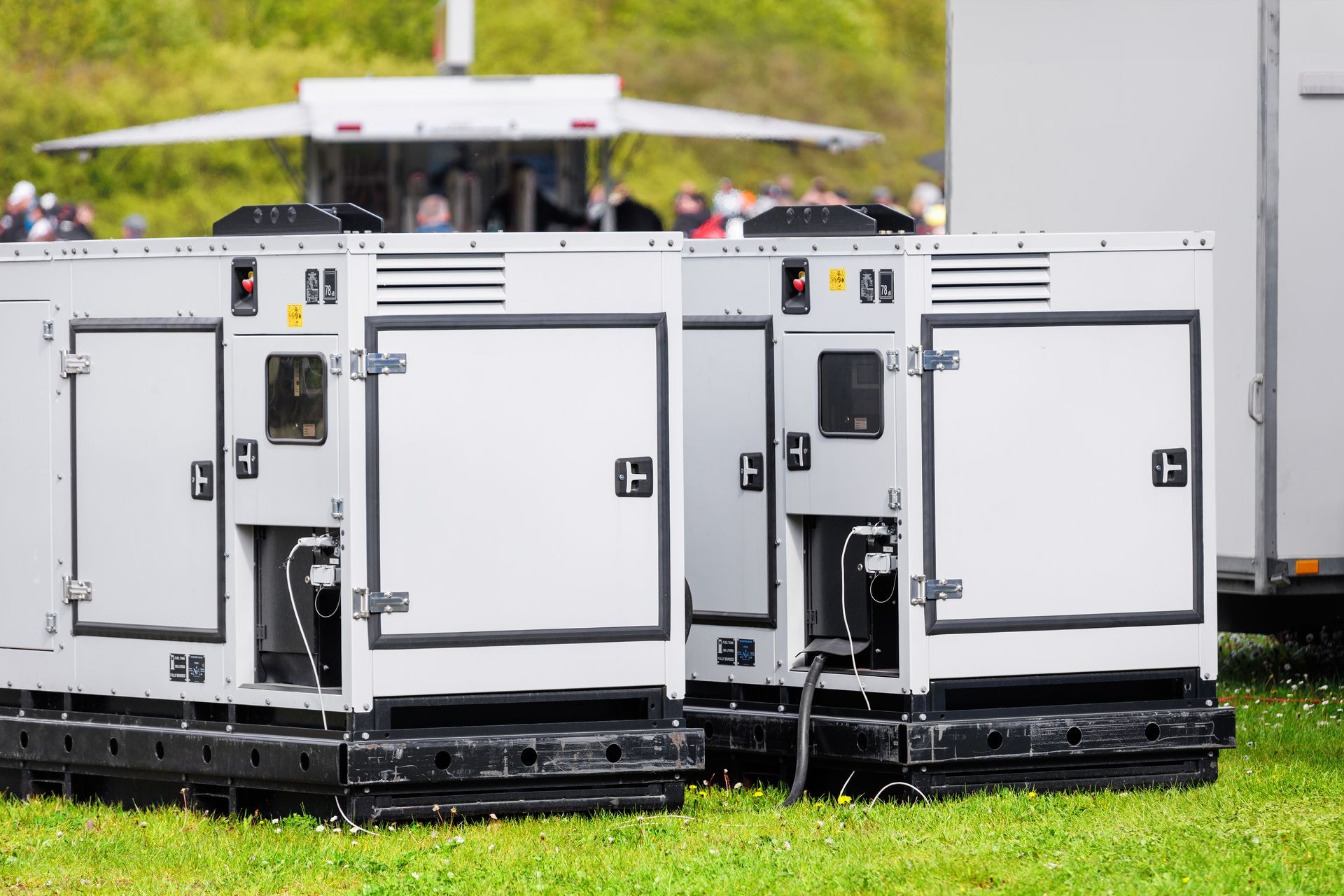
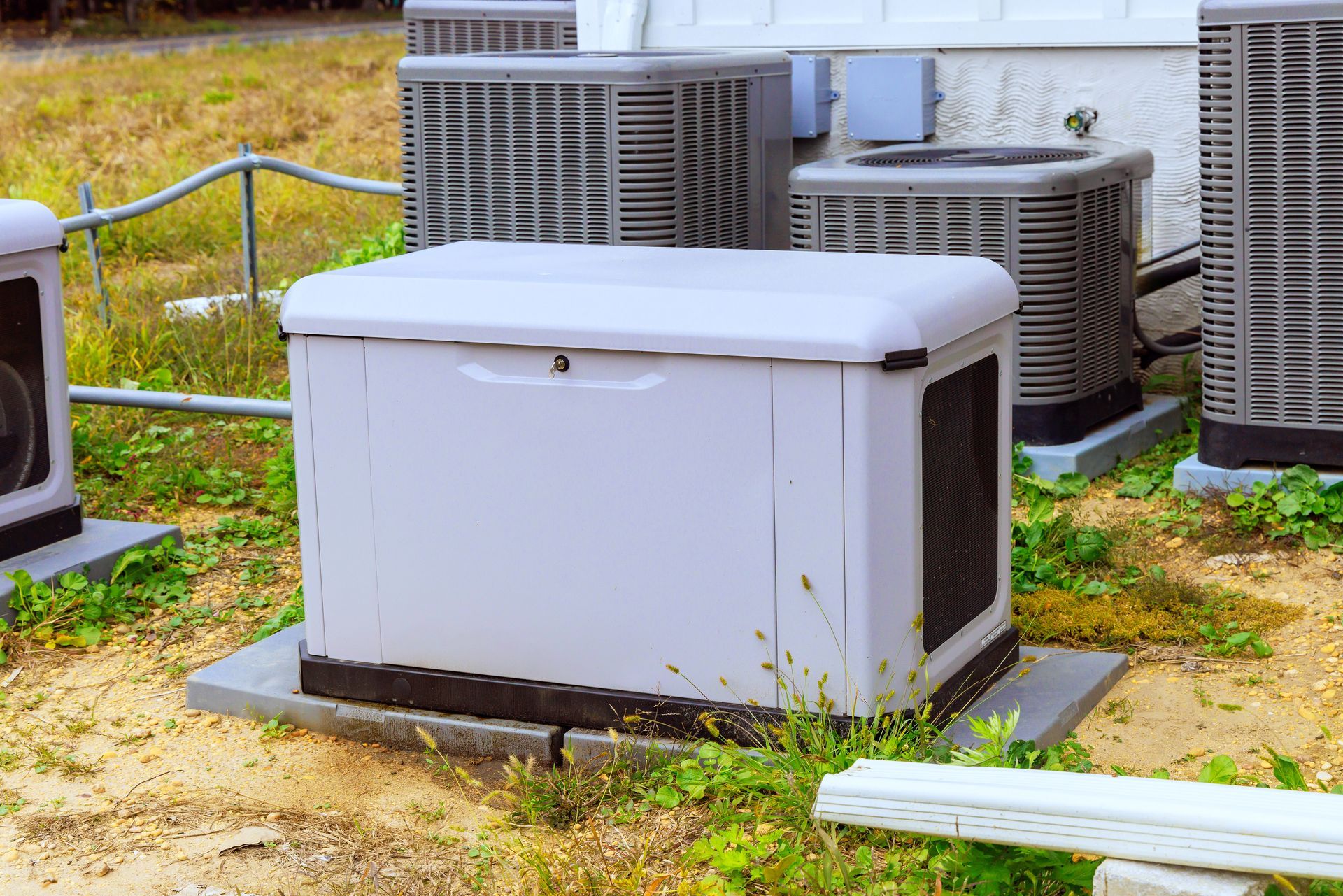
Most homes need a standby generator in the range of 18 to 26 kilowatts to run the whole house, or 10 to 14 kilowatts to cover just the essential circuits like heat, the refrigerator, and a few outlets. The right number depends on which systems you want to keep running and the total electrical load they draw, so the only way to size a generator precisely is a load calculation for your specific home.
At Cahill Electrical Services, we size and install standby generators for homeowners across New Haven, North Haven, Hamden, and the surrounding Connecticut towns. As a licensed and insured Connecticut electrical contractor (License #E1200185) working in the area since 2013, we run the load calculations that match a generator to a home every week. This guide explains how that sizing works so you can plan with realistic numbers.
In This Guide
- What Size Generator You Actually Need: Partial versus whole-home.
- How Generator Sizing Is Calculated: Running watts, starting watts, and load.
- Generator Size by Coverage and Power Needs: A quick reference by kW.
- How to Size Your Generator Step by Step: The process in five steps.
- Common Generator Sizing Mistakes to Avoid: What trips homeowners up.
- The Biggest Power Draws to Plan For: What drives the size up.
- Why Correct Sizing Matters: The cost of too big or too small.
- Frequently Asked Questions: Quick answers for homeowners.
What Size Generator You Actually Need
Standby generators are rated in kilowatts, and the first decision is how much of your home you want to keep powered. That choice, not the square footage of your house, is what drives the size. There are two broad approaches, and the right one depends on your priorities and budget.
Partial (Essential Circuits) Backup
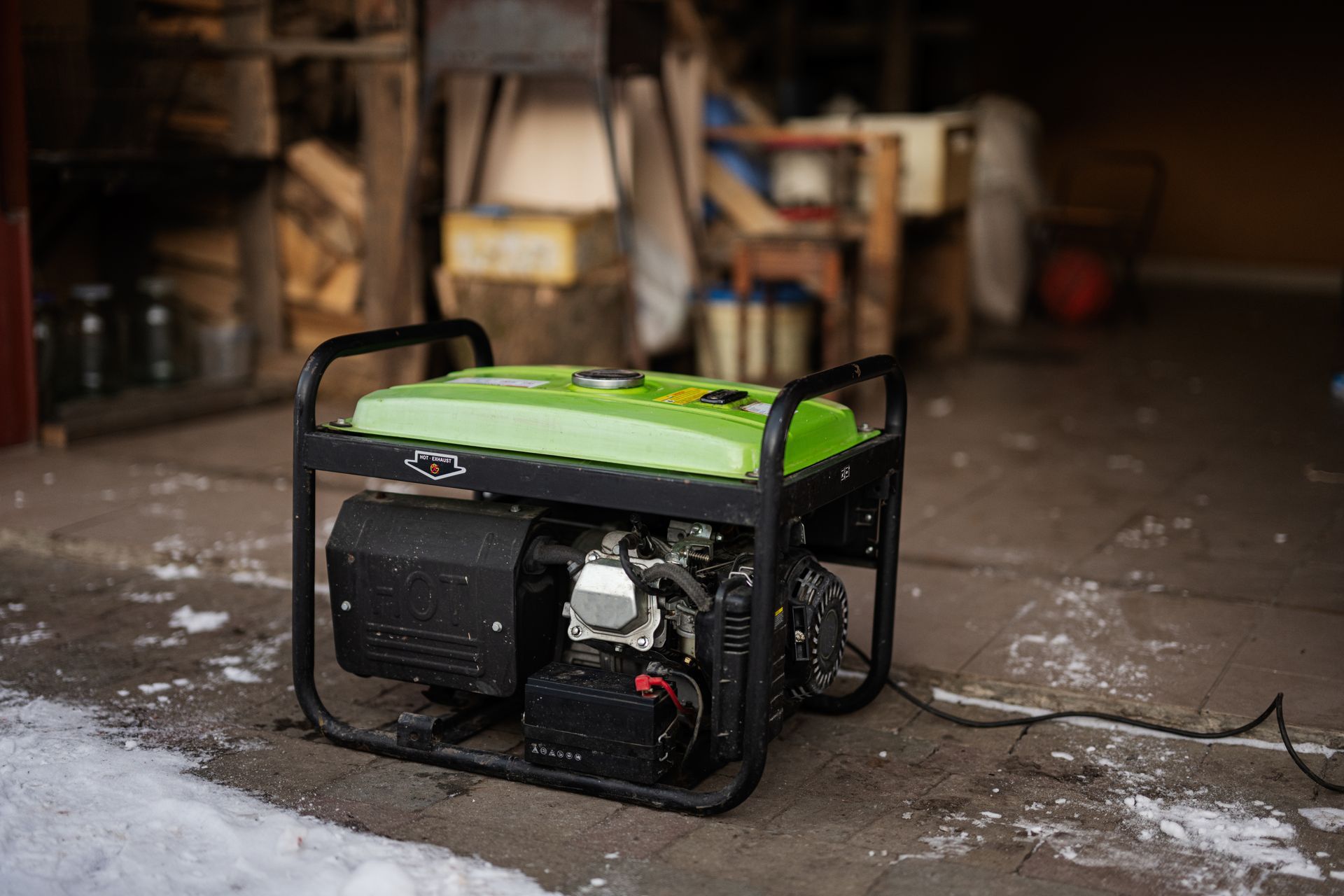
Partial backup powers the circuits you cannot do without: heating, the refrigerator, sump pump, well pump, and some lights and outlets. It leaves out heavy comfort loads like central air conditioning. For most homes this lands in the 10 to 14 kilowatt range and is the more affordable path to reliable backup.
Whole-Home Backup
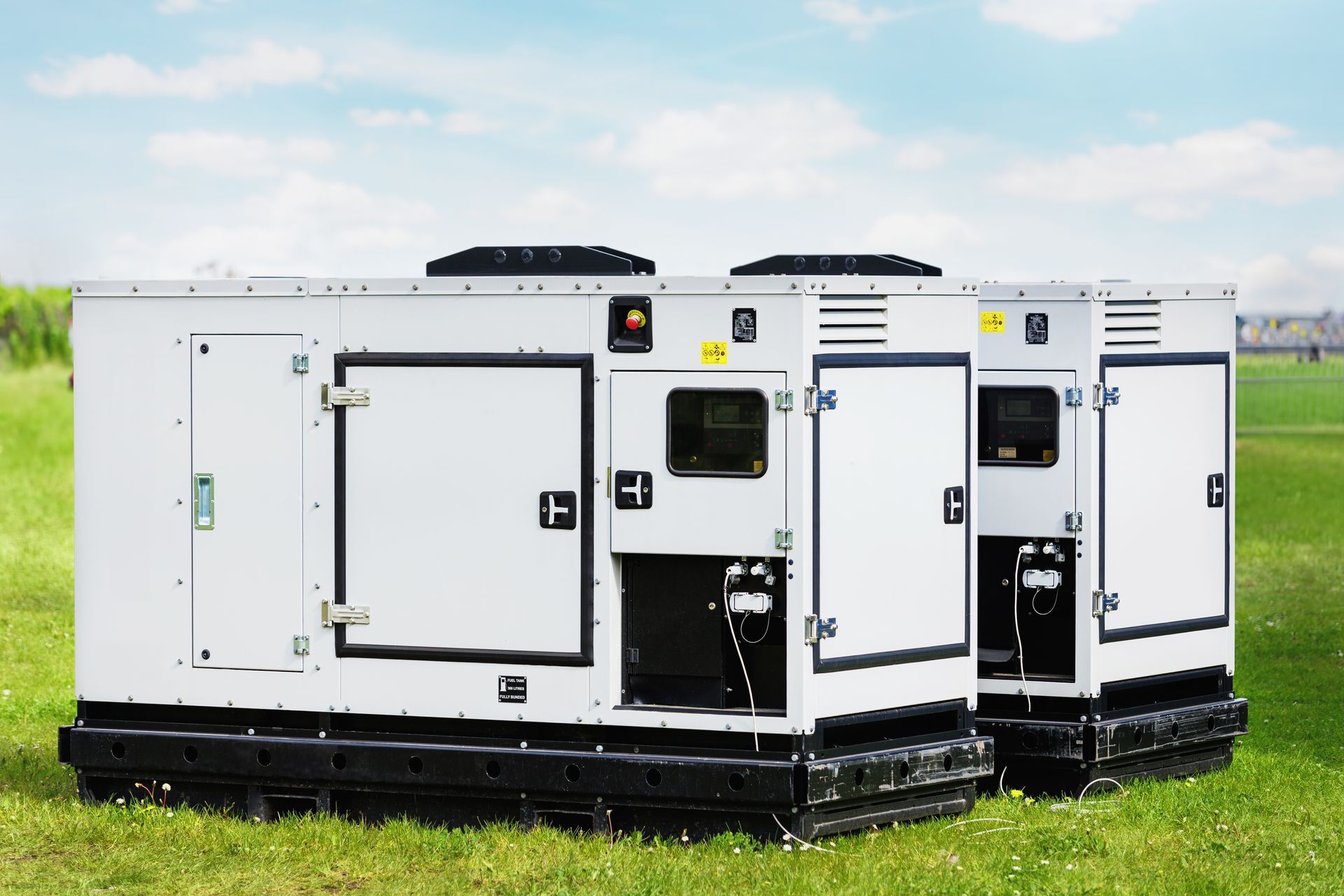
Whole-home backup runs essentially everything at once, including central air conditioning, electric appliances, and multiple large loads, so you barely notice the outage. Most homes need roughly 18 to 26 kilowatts for true whole-home coverage, with larger or all-electric homes pushing toward the top of that range or beyond.
How Generator Sizing Is Calculated
Sizing a generator is a matter of adding up the electrical load it has to carry, then leaving headroom. The key idea that surprises most homeowners is that some appliances need far more power to start than to run.
Running Watts vs. Starting Watts
Running watts are what a device draws once it is operating, while starting watts, sometimes called surge watts, are the brief spike needed to get a motor going. Air conditioners, well pumps, and refrigerators can draw several times their running watts for a moment at startup. A generator has to be sized to handle those surges, not just the steady load, or it will overload when the AC kicks on.
Adding Up the Load
A proper load calculation totals the running watts of everything you want to power, accounts for the largest starting surge, and adds a safety margin so the generator is not running at its absolute limit. This is where a licensed electrician earns their keep, because guessing from a generic chart often produces a unit that is either overloaded or far larger than necessary. Our team performs this calculation on site as part of every generator estimate.
Fuel and Elevation Adjustments
Fuel type and local conditions fine-tune the final number. Natural gas units may derate slightly compared to propane, and a generator's usable output can shift with installation conditions. These adjustments are small but real, and they are another reason the exact size is best confirmed by a professional rather than a rule of thumb. Your available fuel supply can also cap your options: a natural gas meter or propane tank has to deliver enough fuel to feed a larger generator, and an undersized gas line is a common reason a big unit cannot perform to its rating.
Generator Size by Coverage and Power Needs
The table below gives a realistic starting point by coverage level. Treat these as ballparks to plan around, since your actual size comes from a load calculation.
| Coverage Level | Typical Size Range | What It Generally Powers |
|---|---|---|
| Essential circuits | Around 10 to 14 kW | Heat, refrigerator, sump or well pump, some lights |
| Most whole homes | Around 18 to 22 kW | Above plus central AC and major appliances |
| Large or all-electric homes | Around 24 to 26-plus kW | Full home, including heavy electric and EV loads |
Where your home falls depends less on size and more on how many large electric loads run at once. A modest all-electric home can need more capacity than a larger home that heats with gas, so use the ranges as a planning tool rather than a final answer.
How to Size Your Generator Step by Step
You do not have to do the final math yourself, but understanding the steps helps you have a productive conversation with your electrician and sanity-check any recommendation.
- Decide your coverage goal, choosing between essential circuits only or true whole-home backup, since this single decision drives everything else.
- List the loads you want to power, walking room by room and noting heating and cooling, kitchen and laundry appliances, pumps, and anything else that must stay on.
- Total the running watts, adding up what each of those loads draws while operating.
- Find the largest starting surge, identifying the biggest motor, usually the air conditioner or well pump, and adding its startup spike on top of the running total.
- Add a safety margin, so the generator runs comfortably below its maximum rather than at the edge, which protects the engine and leaves room for future additions.
The result of those steps is your target size in kilowatts. In practice, a licensed electrician confirms it with a formal load calculation at your panel, because the difference between a good estimate and an overload often comes down to how the starting surges stack up.
Common Generator Sizing Mistakes to Avoid
Most sizing problems trace back to a few predictable errors. Knowing them helps you avoid a unit that disappoints during the first real outage.
- Sizing for running watts only, which ignores startup surges and leads to overloads when the AC or pump kicks on.
- Forgetting future loads, such as a planned EV charger, heat pump, or addition that will raise demand after the generator is installed.
- Sizing by square footage, a shortcut that ignores whether your big loads are electric or gas and often lands on the wrong number.
- Buying off a generic online chart, which cannot account for your specific panel, fuel supply, and combination of appliances.
- Oversizing dramatically to be safe, which wastes money and can run inefficiently under light everyday loads.
Avoiding these comes down to basing the size on an actual load calculation rather than a rule of thumb, and thinking a few years ahead about what you may add.
The Biggest Power Draws to Plan For
A handful of appliances account for most of a generator's required capacity. Knowing which ones you have, and whether they run on electricity, tells you a lot about the size you will need.
- Central air conditioning or a heat pump, which is often the single largest load and has a high startup surge.
- Well pump, essential for homes on well water and another high-surge motor.
- Electric water heater, range, or dryer, each of which draws heavily when it is electric rather than gas.
- An EV charger, a growing factor that can add substantial load if you want to charge during an outage.
- Sump pump, small in watts but critical, especially in Connecticut basements during storm season.
If several of these are electric and you want them all running at once, you are firmly in whole-home territory. If you can live without the largest comfort loads during an outage, a smaller essential-circuit unit may serve you well.
Why Correct Sizing Matters
Getting the size right is about more than cost. An undersized generator is constantly overworked, which causes it to overload, run hot, and wear out years early, and it may not start your air conditioner or well pump at all. An oversized generator wastes money up front and can run inefficiently under light loads.
The right size runs comfortably under your real load with sensible headroom, which is easier on the engine and extends its life. This is directly tied to how long the unit lasts, as we cover in our guide on
how long standby generators last, and it factors into overall
standby generator cost as well. The goal is a unit matched to your home, not the biggest one on the shelf. It is also worth thinking a few years ahead, since adding a heat pump, an EV charger, or an addition later can push a borderline unit past its comfortable capacity, and building in a little room now is cheaper than resizing after the fact.
Get the Right-Sized Generator With Cahill Electrical Services
The most reliable way to size a standby generator is an on-site load calculation by a licensed electrician who can see your panel, your major loads, and your fuel supply. We do exactly that as part of every generator estimate, so you get a unit sized to your home rather than a guess from a chart.
Call Cahill Electrical Services at (203) 468-0034 or
contact us to schedule a site evaluation. We serve New Haven, North Haven, Hamden, and the surrounding towns under Connecticut License #E1200185.
Frequently Asked Questions
What size generator do I need to run my whole house?
Most homes need roughly 18 to 26 kilowatts for true whole-home backup that includes central air conditioning and major appliances. Larger or all-electric homes can need more. The exact figure comes from a load calculation that totals your running watts, accounts for the largest startup surge, and adds a safety margin.
Can a smaller generator power just the essentials?
Yes. An essential-circuits setup in the 10 to 14 kilowatt range can keep your heat, refrigerator, sump or well pump, and some lights and outlets running through an outage while leaving out heavy loads like central air. It is the more affordable way to keep the critical parts of your home powered.
Why do I need to account for starting watts?
Motors in air conditioners, well pumps, and refrigerators briefly draw several times their normal wattage to start. If a generator is sized only for the steady running load, that surge can overload it when the AC or pump kicks on. Proper sizing plans for the largest startup surge, not just the running total.
Does home square footage determine generator size?
Not directly. What matters is your electrical load, meaning how many large appliances and systems you want to run and whether they are electric or gas. A smaller all-electric home can need a larger generator than a bigger home that heats and cooks with gas, which is why a load calculation beats a size-by-square-footage estimate.
Is it better to oversize a generator to be safe?
A little headroom is good, but significantly oversizing wastes money and can run inefficiently under light loads. An undersized unit is worse, since it overworks and wears out early. The best approach is a unit sized to your actual load with sensible margin, which a licensed electrician can determine with an on-site calculation.
Recent Posts