
How Much Does It Cost to Upgrade an Electrical Panel?
September 21, 2026
or give us a call at

Quick Answer: Most electrical panel upgrades run between $1,500 and $4,000, with a typical 100-to-200-amp upgrade landing around $2,000 to $3,500 for many Connecticut homes. The number climbs when the service entrance, meter, or mast also need work, when older wiring has to be brought up to code, or when you are jumping to 400-amp service. The single biggest cost driver is not the panel itself, it is how much of the surrounding electrical service has to be upgraded along with it.
At Cahill Electrical Services, we have upgraded panels for homes across New Haven County since 2013, and as licensed, insured electricians, we pull the permits and handle the utility coordination on these jobs every week. This guide breaks down what an upgrade actually costs, what drives the price, and how to tell an upgrade from a straight replacement.
Upgrade vs. Replacement: Which Do You Need?
These two words get used interchangeably, but they describe different jobs with different costs. Knowing which one you actually need is the first step to a realistic budget.
The difference comes down to capacity. A replacement swaps a failing or outdated panel for a new one, usually at the same amperage. An upgrade increases your service capacity, most often from 100 amps to 200 amps, so your home can handle more electrical load.
When It Is a Replacement
If your panel is old, damaged, or a known fire risk, like a Federal Pacific or Zinsco panel, but your 100-amp or 200-amp service still meets your needs, you may only need a replacement at the same capacity. We cover that scenario in detail in our guide on electrical panel replacement cost.
When It Is an Upgrade
If you are running out of breaker space, adding major loads, or your 60-amp or 100-amp service simply cannot keep up, you need an upgrade to higher amperage. That is a bigger job, because increasing capacity often means new service-entrance wiring, a new meter, and utility coordination, not just a new box on the wall.
Cost by Target Amperage
Because an upgrade is about capacity, the amperage you are moving to is one of the biggest factors in the price. Higher capacity means heavier equipment and, in most cases, service work with the utility.
The ranges below are typical installed costs for the upgrade itself. Your total depends on your home's existing service and condition, covered further down.
| Target Service | Typical Installed Cost | Common Scenario |
|---|---|---|
| 100-amp panel | $1,200 to $2,500 | Small homes, like-for-like or modest bump |
| 150-amp service | $1,800 to $3,500 | Mid-range capacity increase |
| 200-amp service | $2,000 to $4,500 | The most common modern upgrade |
| 400-amp service | $8,000 to $20,000+ | Large homes, heavy EV or solar loads |
Why 200-Amp Is the Usual Target
For most homes, 200-amp service is the practical upgrade, and it has been the standard for new construction for years. It handles today's mix of central air, electric appliances, and increasingly EV charging without leaving you at your limit. Because it is by far the most common upgrade, we break down that specific job in our guide on upgrading to a 200-amp panel.
Sizing It Right the First Time
The right amperage is not guesswork, and it is not just about your home's square footage. A licensed electrician performs a load calculation that accounts for your heating and cooling, major appliances, and any high-draw additions you are planning, then sizes the service with a safety margin. Oversizing wastes money, while undersizing leaves you back where you started in a few years, so the load calculation is what makes the upgrade a one-time expense rather than a recurring one.
Signs You Have Outgrown Your Panel
An upgrade is worth the cost when your electrical service genuinely cannot keep up with your home. These are the signs that point to a capacity problem rather than a simple repair.
If several of these apply, an upgrade is likely the right call, not just a nice-to-have.
- Breakers trip regularly when you run multiple appliances at once
- Lights flicker or dim when large appliances or HVAC cycle on
- No open breaker slots left to add circuits for new work
- You are adding a major load like an EV charger, hot tub, heat pump, or addition
- You still have 60-amp or 100-amp service, or a fuse box, in a home with modern electrical demands
The Loads Driving Most Upgrades
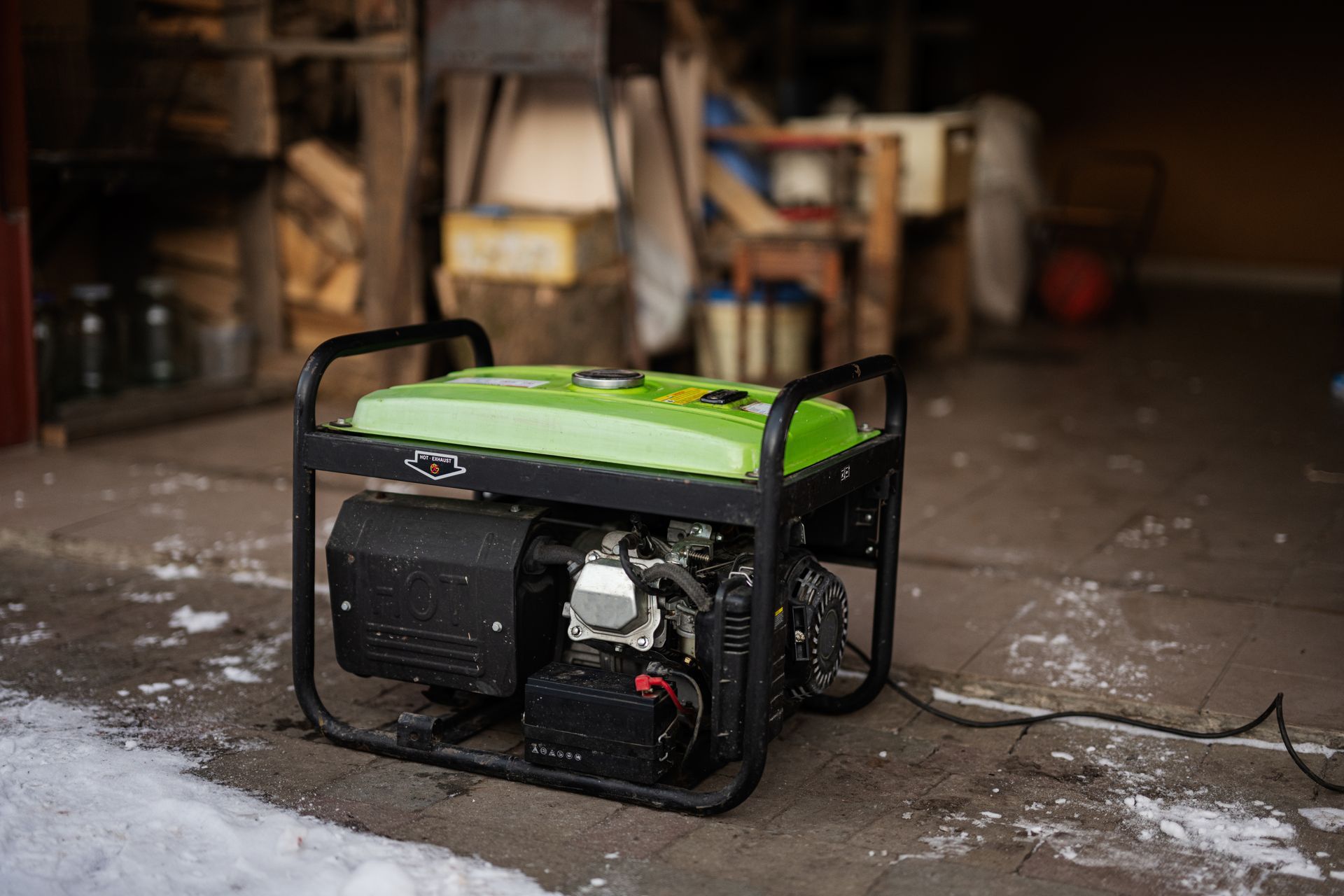
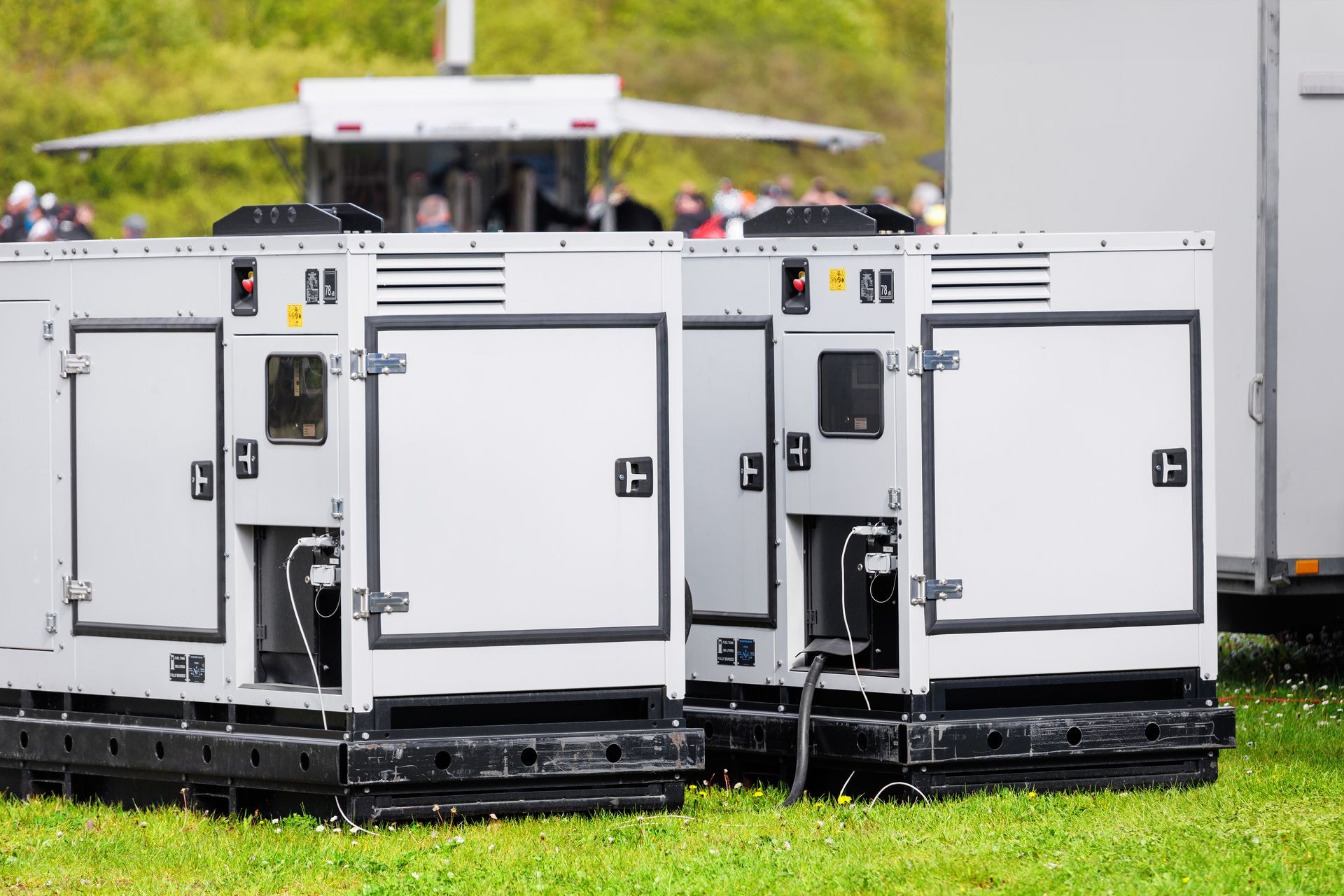
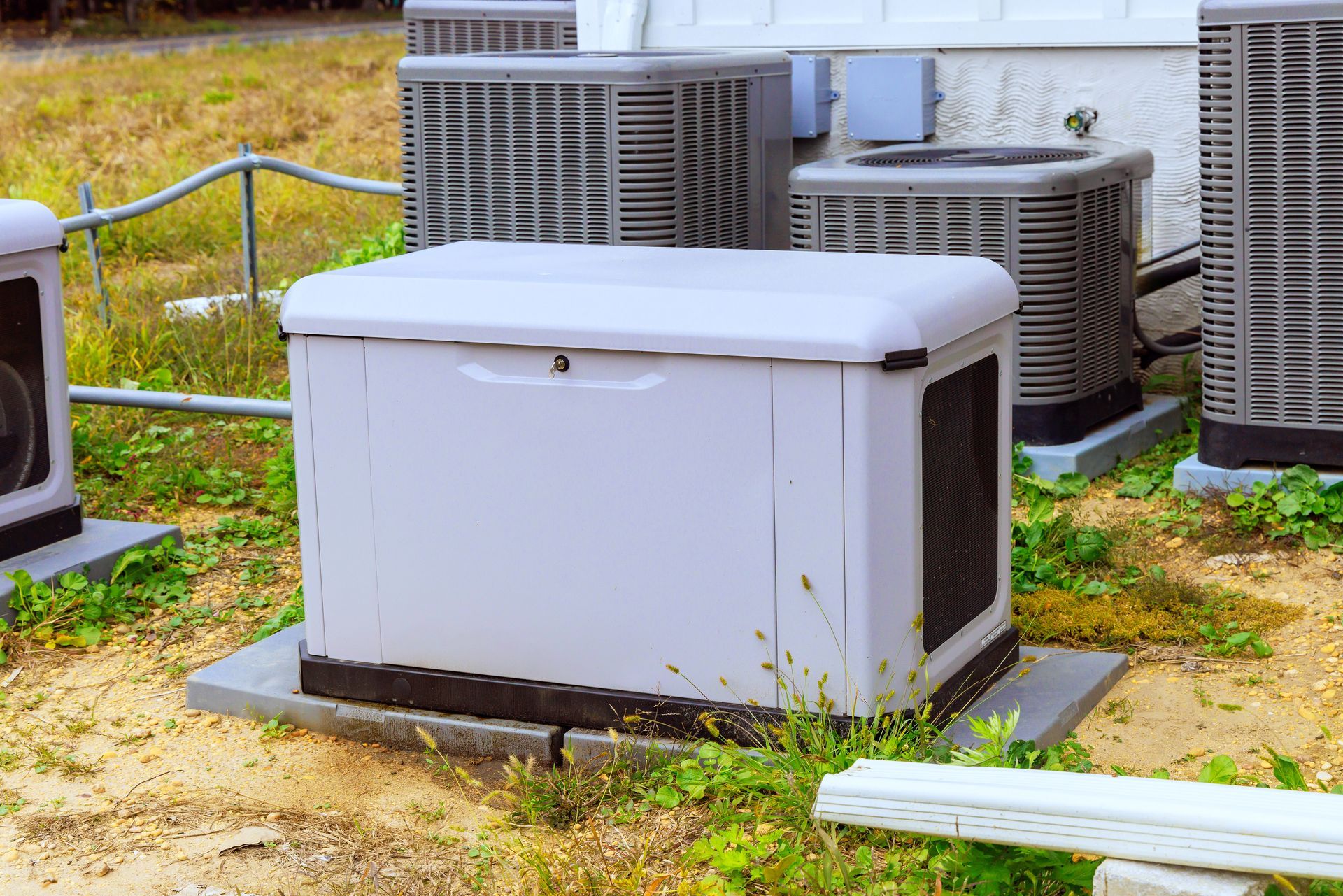
More and more of the upgrades we do trace back to a single new addition to the home. Installing an
EV charger or a
standby generator can push a 100-amp panel past its safe capacity, and both are far easier to add when the service has the headroom to support them. Planning the upgrade around those loads up front saves paying for electrical work twice.
What Drives the Cost Up or Down
Two homes upgrading to the same amperage can get very different quotes, and the reasons are almost always in the details around the panel rather than the panel itself. Understanding them helps you read an estimate.
The biggest swings come from how much of the electrical service has to change to support the new panel.
- Service entrance and meter: Upgrading capacity often requires new service-entrance cable, a new meter socket, and sometimes a new mast, which adds materials and labor
- Existing wiring condition: Older or aluminum wiring, or knob-and-tube in pre-1960 homes, can require corrective work before an upgrade passes inspection
- Panel location and accessibility: A panel that has to be relocated, or one in a tight or finished space, takes more time
- Code-required additions: Modern codes may call for items like a whole-house surge protector and updated grounding as part of the job
- Utility coordination: Increasing service usually requires the utility to disconnect and reconnect power, which can affect scheduling and cost
The Code Items People Miss
One cost homeowners rarely anticipate is code compliance. When you upgrade a panel, the work has to meet current code, which increasingly includes surge protection at the panel. A
whole-house surge protector is often installed alongside an upgrade, both because code may require it and because a new panel is the ideal moment to protect everything it feeds.
The Connecticut Permit and Utility Factor
A panel upgrade in Connecticut is not a job to hand to an unlicensed handyman or tackle yourself. It requires a permit, an inspection, and coordination with your utility, and getting any of those wrong creates safety and resale problems down the road.
This is a large part of why professional installation is not optional here.
Permits and Inspection
Panel upgrades require a permit and a municipal inspection to confirm the work meets code. A licensed electrician pulls the permit and schedules the inspection as part of the job, which keeps your electrical service compliant and documented for any future home sale.
Working With the Utility
Because an upgrade increases your service capacity, your utility, whether United Illuminating or Eversource depending on your town, typically has to disconnect and reconnect power at the meter. Coordinating that is part of a professional installation, and it is one reason the full project can span more than a single day even though the panel work itself is faster. Our
panel and wiring services cover the whole process.
Ready to Upgrade Your Electrical Panel?
Whether your panel is out of space or you are planning for an EV charger, generator, or addition, Cahill Electrical Services can size the upgrade to your home and handle the permit and utility coordination from start to finish. We are a licensed, insured electrical company serving New Haven County since 2013. Call or text us at (203) 468-0034 or reach out through our
contact page for a free estimate.
Frequently Asked Questions
How much does it cost to upgrade an electrical panel?
Most panel upgrades run between $1,500 and $4,000, with a typical 100-to-200-amp upgrade around $2,000 to $3,500 for many Connecticut homes. The price rises when the service entrance, meter, or mast need work, when older wiring must be brought up to code, or when upgrading to 400-amp service. An in-person assessment gives you an accurate number.
What is the difference between upgrading and replacing a panel?
A replacement swaps a failing or outdated panel for a new one at the same amperage, while an upgrade increases your service capacity, usually from 100 to 200 amps. An upgrade is generally the bigger job because it often involves new service-entrance wiring, a new meter, and utility coordination, not just a new panel.
Do I need a permit to upgrade my electrical panel in Connecticut?
Yes. Panel upgrades in Connecticut require a permit and a municipal inspection to confirm the work meets code, and increasing service capacity also involves coordinating with your utility to disconnect and reconnect power. A licensed electrician handles the permit, inspection, and utility coordination as part of the job.
Will upgrading my panel let me add an EV charger or generator?
Often, yes, and that is one of the most common reasons homeowners upgrade. Adding an EV charger, standby generator, heat pump, or hot tub can push a 100-amp panel past its safe capacity, so upgrading to 200-amp service creates the headroom those loads need. Planning the upgrade around them avoids paying for electrical work twice.
How long does an electrical panel upgrade take?
The panel work itself is usually completed in a day, but the full project can take longer because it involves scheduling the permit inspection and coordinating with the utility to disconnect and reconnect power. Your electrician can give you a realistic timeline based on your home and your town's inspection process.
Recent Posts