
How Much Does It Cost to Replace an Electrical Panel?
July 1, 2026
or give us a call at

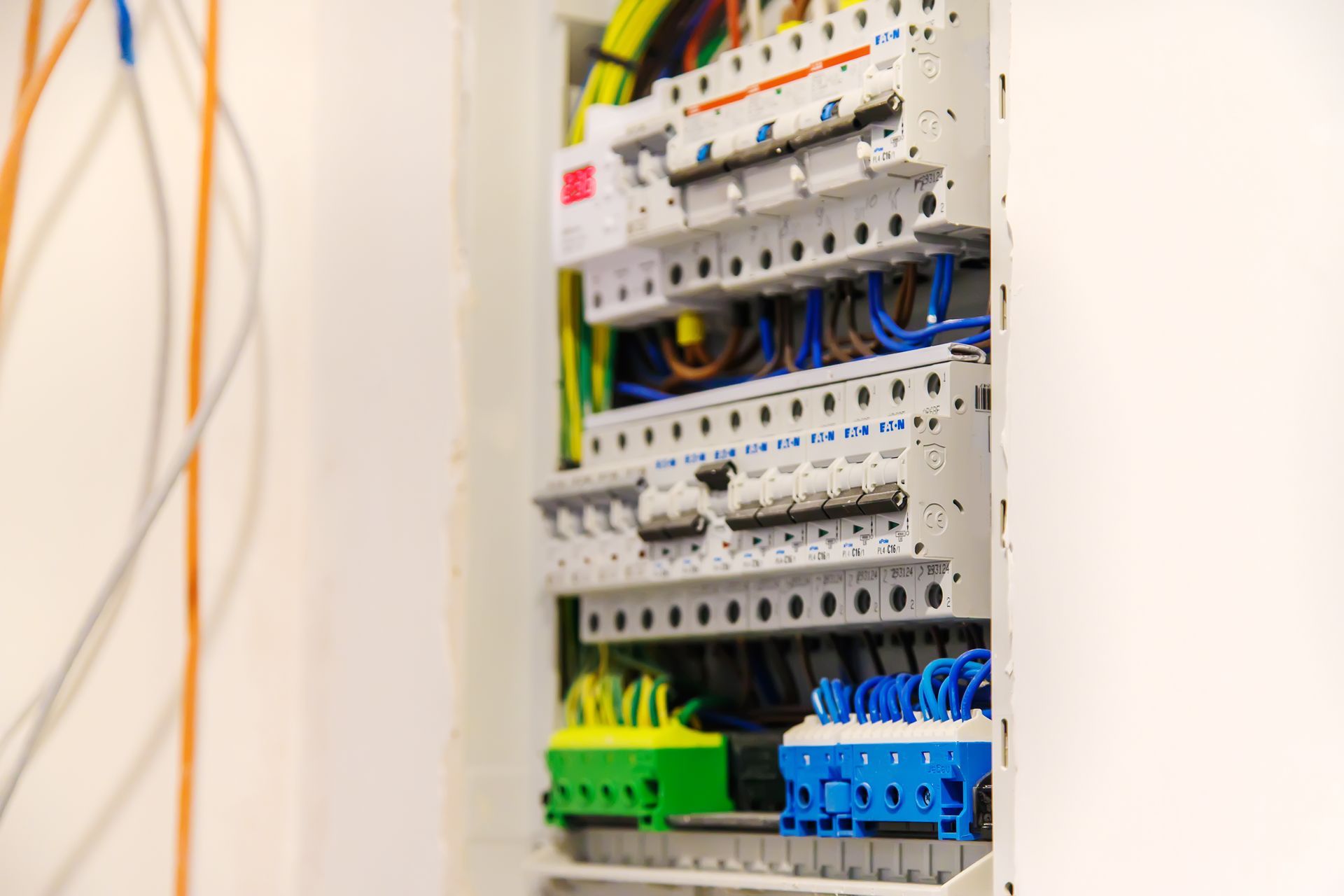
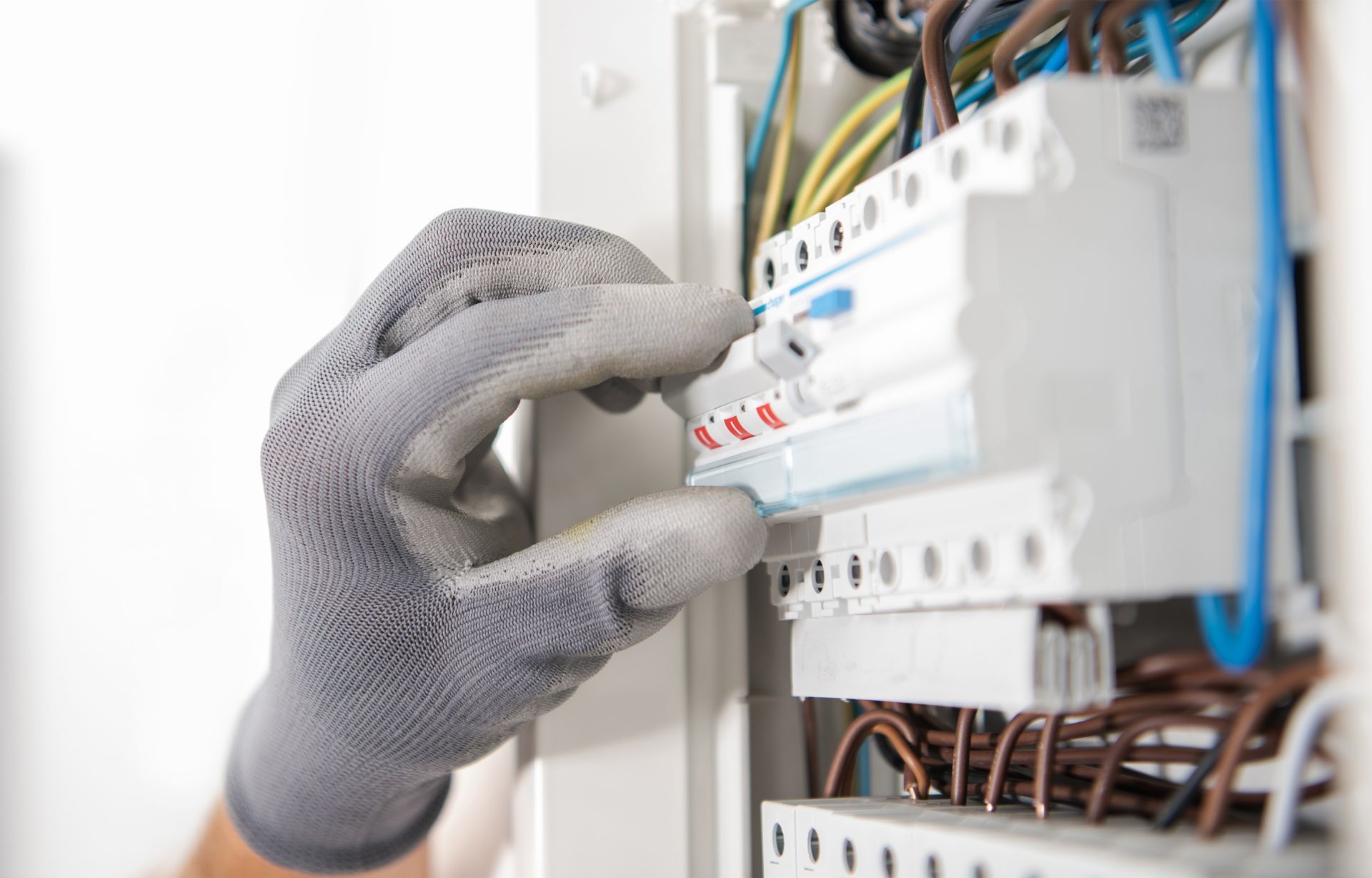
Replacing an electrical panel in Connecticut typically costs between $2,000 and $5,500 for a like-for-like swap, with the average homeowner paying around $3,200 to $4,000 for a standard 200-amp residential panel replacement. Costs climb higher when service entrance work, knob-and-tube wiring, code-required upgrades, or grounding system updates are involved.
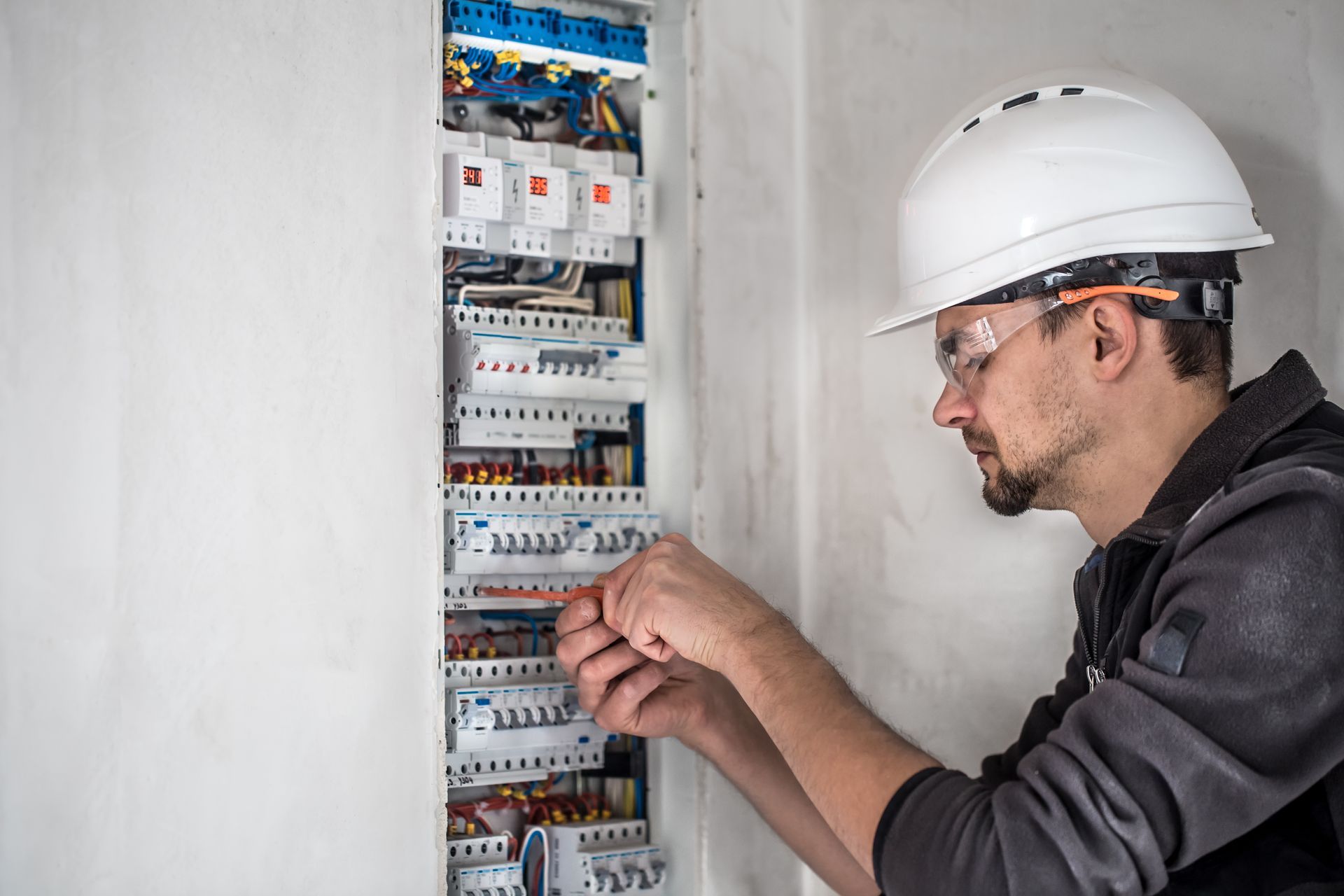
Cahill Electrical Services is a licensed Connecticut electrical contractor. We replace panels regularly for homeowners across our service area, from straightforward swaps of aging 200-amp panels to complex jobs involving recalled Federal Pacific or Zinsco units, water-damaged service equipment, and homes with insurance companies demanding the work be done before they renew coverage.
This guide breaks down what a real panel replacement costs in Connecticut, the factors that drive the price up or down, what is included in a complete job, and what to watch for when comparing quotes.
In This Guide
- Quick Answer: Panel Replacement Cost Ranges in CT
- Replacement vs Upgrade: They Are Not the Same Thing
- What's Actually Included in a Panel Replacement
- Cost Factors Based on Your Existing Panel
- Cost Factors From Code Requirements
- Cost Factors From Labor and the Connecticut Market
- Hidden Costs That Show Up Mid-Project
- What to Expect on Replacement Day
- Signs You Need a Panel Replacement
- How to Compare Electrical Panel Quotes
- Frequently Asked Questions
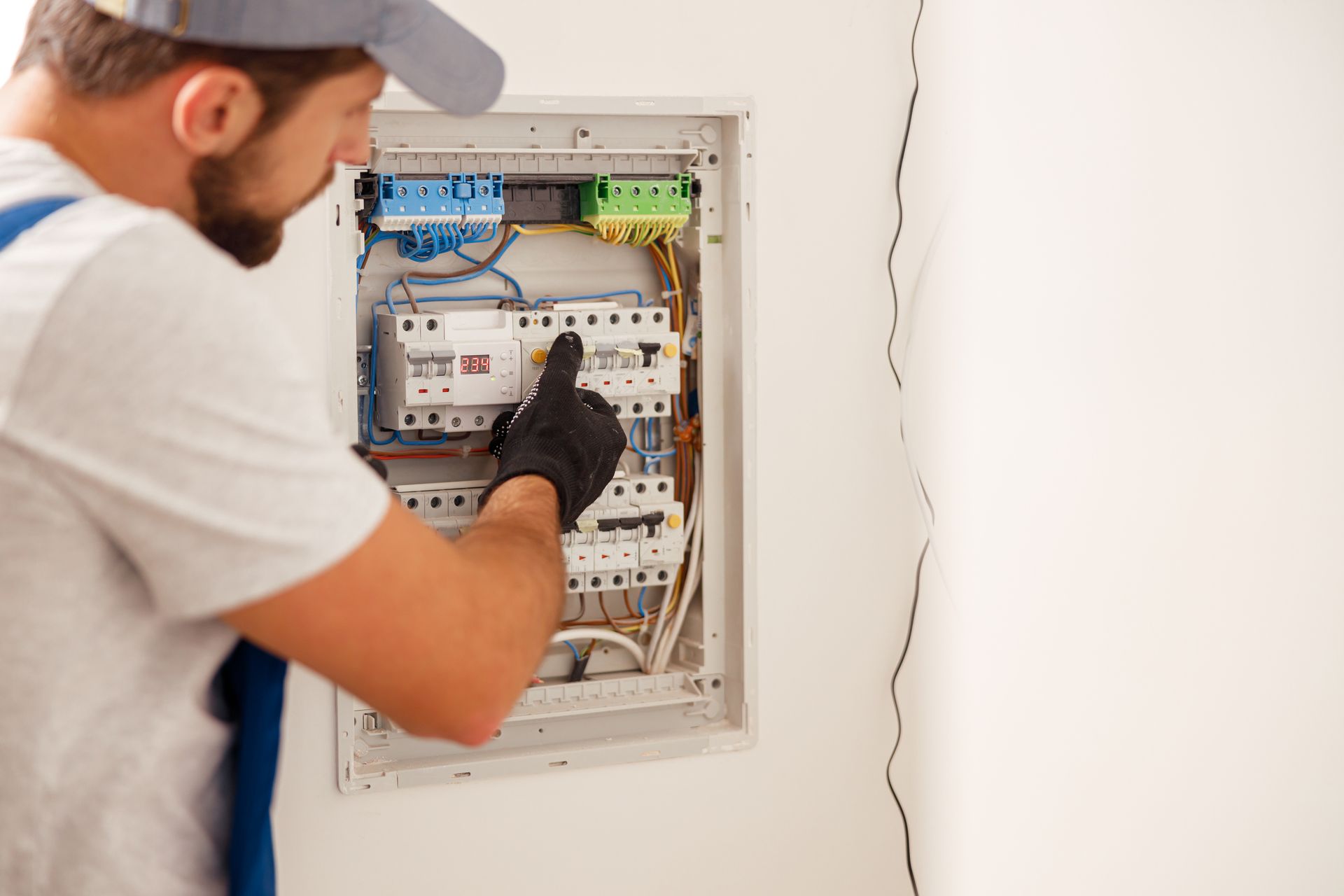
Quick Answer: Panel Replacement Cost Ranges in CT
Pricing depends on amperage, panel brand, code-required additions, and the condition of the existing service entrance. Here are realistic 2026 ranges for Connecticut.
Cost by Panel Size
| Panel Type | Cost Range (Installed) | Typical Use Case |
|---|---|---|
| 100-amp replacement (same size) | $1,800 to $3,200 | Smaller homes, condos, older properties |
| 150-amp replacement | $2,400 to $4,000 | Mid-size homes without EV or heat pump |
| 200-amp replacement (same size) | $2,500 to $5,500 | Standard for most CT single-family homes |
| 200-amp panel + service entrance | $4,000 to $8,500 | When the cable from the meter also needs replacing |
| 400-amp service replacement | $7,500 to $15,000+ | Large homes, multiple subpanels, heavy electrical loads |
What These Ranges Include
The numbers above cover the panel itself, breakers, labor, basic code-required upgrades (AFCI, GFCI, surge protection where applicable), permit fees, and inspection coordination.
They do not include service entrance cable replacement, knob-and-tube remediation, panel relocation, subpanel work, or significant grounding system upgrades. Those are common add-ons that can push the total up.
Why CT Pricing Runs Higher Than National Averages
Connecticut sits above the US average for electrical work due to higher labor costs, stricter local permitting in some municipalities, and stricter code enforcement. National "average" figures of $1,500 to $2,500 you see online often do not reflect CT realities.
Replacement vs Upgrade: They Are Not the Same Thing
This trips up homeowners constantly when comparing quotes. The two terms describe different jobs at different price points.
Panel Replacement
A replacement swaps your existing panel for a new one of the same amperage. A 200-amp panel goes out, a new 200-amp panel goes in. The service entrance cable, meter, and grounding system usually stay (assuming they are in good shape and meet current code).
This is the lower-cost option and the right choice when your panel is old, recalled, damaged, or the brand is unreliable, but your home's overall electrical capacity is fine.
Panel Upgrade
An upgrade increases your home's electrical capacity. A 100-amp service becomes a 200-amp service. This involves a larger panel, often a new service entrance cable, a new meter socket, sometimes a new grounding system, and coordination with Eversource or UI for the utility-side work.
Upgrades cost significantly more. A 100-amp to 200-amp upgrade in CT typically runs $4,000 to $8,000 total, sometimes higher if the meter location moves or the service drop needs work.
Which One Do You Actually Need?
If your panel is failing but your existing service amperage is adequate for your needs, you need a replacement. If you are adding an EV charger, heat pump, hot tub, or
whole-home standby generator, you likely need an upgrade. A licensed electrician can do a load calculation to tell you which is appropriate.
What's Actually Included in a Panel Replacement
A complete panel replacement is more than swapping a metal box. Here is what a quality job includes.
Standard Inclusions
- New main panel with appropriate amperage rating
- New breakers (typically not reused from the old panel)
- AFCI breakers in required circuits (bedrooms, family rooms, dining areas per current NEC)
- GFCI protection in required circuits (kitchens, bathrooms, garages, outdoor outlets)
- Surge protection at the panel (required by NEC 2020 for dwelling unit services)
- Updated grounding and bonding to meet current code
- Labeling of all circuits on the new panel
- Permit pulling and inspection coordination
- Disposal of the old panel and components
What Drives Up the Time and Cost
The actual swap is the fast part. What slows the job is everything around it: dealing with old wiring that needs new connections at the breaker, identifying and labeling circuits that were never documented, addressing any code violations discovered during the work, and coordinating the temporary power outage with the utility.
For homes built before 1980, the older the wiring system, the longer the replacement takes.
Cost Factors Based on Your Existing Panel
The starting condition of your current panel and its surroundings has the biggest impact on the final price.
Panel Brand and Age
Some older panel brands cost more to replace because they were installed in eras with different wiring practices. The most notable in CT homes are Federal Pacific Stab-Lok, Zinsco, and Pushmatic panels.
These panels are widely considered fire risks (Federal Pacific in particular is the subject of decades of litigation and insurance company refusals). Replacing one usually means dealing with older breakers, aluminum branch wiring in some cases, and grounding systems that no longer meet code.
Panel Location
Panels in unfinished basements with open ceilings are the easiest and cheapest to replace. Panels in finished basements, garages, closets, or behind drywall add complexity. Panels that need to be relocated (often required when the existing location violates current code clearance requirements) add significant cost.
Existing Wiring System
Knob-and-tube wiring still exists in many older CT homes. When discovered during panel replacement, it usually triggers a discussion about what to do with it. Some insurance companies refuse to insure homes with active knob-and-tube. Others require it to be remediated when the panel is touched.
Active knob-and-tube remediation costs between $3,000 and $15,000 depending on how much of the home is affected.
Service Entrance Condition
The service entrance is the cable that runs from your meter to your panel. If it is undersized, frayed, or run through a damaged riser, it may need to be replaced as part of the panel work. This adds $1,500 to $3,500 to the project depending on the run length and routing.
Cost Factors From Code Requirements
Connecticut follows the National Electrical Code with state amendments. The 2020 NEC adoption added several requirements that older panels almost never meet, and they get added during a replacement.
Required AFCI Breakers
Arc-Fault Circuit Interrupter breakers are required on most living-space circuits under current code. AFCI breakers cost $35 to $60 each (vs $5 to $10 for standard breakers).
On a typical home with 10 to 15 living-space circuits, AFCI requirements add $400 to $900 to the panel cost compared to using standard breakers.
Required GFCI Protection
Ground-Fault Circuit Interrupter protection is required in kitchens, bathrooms, garages, laundry rooms, outdoor outlets, and several other areas. This can be done with GFCI breakers ($40 to $70 each) or GFCI outlets at the point of use.
Surge Protection at the Panel
NEC 2020 requires a Type 1 or Type 2 surge protective device at the service equipment for dwelling units. Quality panel-mounted surge protectors add $200 to $500 to the project, including labor.
For more on the value of this, our guide on whether a whole house surge protector is worth it walks through the protection it provides.
Grounding and Bonding Updates
Older panels often have inadequate grounding by current standards. Adding or upgrading ground rods, bonding the water and gas piping, and updating the grounding electrode conductor can add $300 to $800.
Cost Factors From Labor and the Connecticut Market
These vary across the state and over time.
Licensed Electrician Labor Rates
Connecticut requires E-1 or E-2 licensed electricians for panel work. Hourly labor in CT typically runs $100 to $175 for a journey-level electrician, higher for emergency or after-hours work.
A panel replacement is a one to two day job for two electricians, so labor alone often runs $1,500 to $3,000 of the total.
Permit Fees in Connecticut
Permits are issued at the municipal level. Most CT towns charge $50 to $200 for a residential electrical permit, with some scaling by project value.
The permit is not optional. Doing this work without a permit creates serious problems at home sale, insurance claims, and any future electrical work.
Inspection Coordination
After the work is complete, a town electrical inspector signs off. Some towns inspect quickly, others have backlogs. The inspection itself is included in the permit fee, but scheduling delays can extend the time before your panel is officially energized.
Time of Year
Electrical contractors in CT are busiest in spring and fall. Winter installs can sometimes be scheduled faster, though weather can delay any utility-side coordination.
Hidden Costs That Show Up Mid-Project
Even with a good initial quote, some costs become visible only after work begins. Honest electricians flag these as possibilities upfront and price them on a per-unit basis.
Common Mid-Project Discoveries
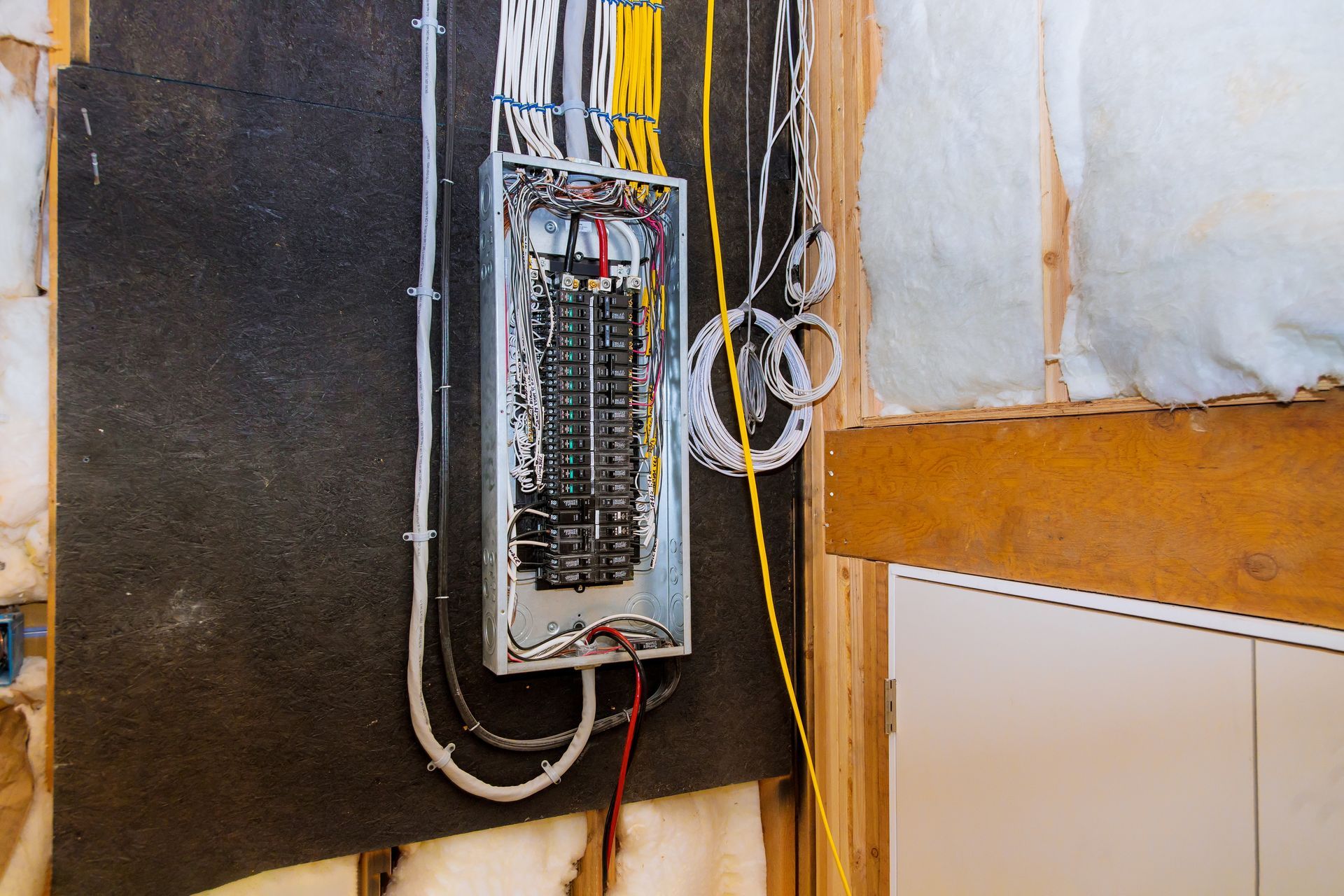
- Damaged service entrance cable. Often hidden inside the meter socket or behind siding; only visible once the meter comes off.
- Aluminum branch wiring. Common in CT homes built between 1965 and 1973. Adds anti-oxidant treatment or pigtail connections at every device.
- Improper grounding electrode conductor sizing. Older grounding often does not meet current code and needs to be upgraded.
- Double-tapped breakers. Older panels often have multiple wires under a single breaker; each needs its own breaker on the new panel.
- Junction box violations. Hidden junction boxes behind drywall are a code violation that often gets discovered during the work.
How a Good Electrician Handles These
A good electrician walks you through these possibilities before starting work, prices them on a per-unit basis (per outlet, per circuit, per linear foot of cable), and asks for approval before adding scope.
The wrong contractor presents a surprise change order halfway through the job with limited explanation.
What to Expect on Replacement Day
Most homeowners have not been through a panel replacement before and are surprised by what the day actually looks like. Knowing the rhythm helps you plan and tells you what a good contractor will communicate upfront.
The Power Outage
Your home loses power for the duration of the work, typically 4 to 8 hours. Some of that time the utility crew is involved (pulling the meter, energizing the new service), and some is internal work in the panel.
You should plan for refrigerator and freezer contents (ice in coolers helps), medical equipment that needs uninterrupted power, and home office or work-from-home needs.
Utility Coordination
In CT, the electrician coordinates the temporary disconnect with Eversource or UI. This is scheduled in advance, and the utility pulls the meter at the start of the work and reconnects at the end after inspection clearance.
Some jobs require Eversource to perform service drop work, which adds another scheduling layer. A good contractor handles this coordination so you do not have to.
Inspection Timing
Once the work is complete and the meter is back, the panel is not officially energized until a municipal electrical inspector signs off. Some towns inspect same-day or next-day. Others take a week or more.
During inspection delays, the panel is usually energized under a temporary arrangement so your power is on, but the formal sign-off may come later.
What You Should Do
Before the work starts, identify any sensitive electronics that should be unplugged (computers, TVs, anything with a delicate power supply). Empty the freezer of anything you cannot afford to refreeze. If you have a home office, plan for a half day without power.
Most quality electricians walk you through these prep steps when scheduling the work. If yours does not, ask.
Signs You Need a Panel Replacement
If you are still deciding whether replacement is necessary, here are the most common indicators we see in CT homes.
Brand-Based Triggers
- Federal Pacific (FPE) Stab-Lok panels. These are widely considered fire hazards and many insurance companies will not insure homes that have them.
- Zinsco or Sylvania-Zinsco panels. Similar issues with breakers that fail to trip.
- Pushmatic panels. Generally functional but obsolete, with limited breaker availability and no AFCI/GFCI options.
- Federal Noark or other off-brand panels. Often require replacement when found.
Physical Condition Triggers
- Rust, corrosion, or water damage inside the panel
- A burning smell, warm spots on the panel cover, or visible scorch marks
- Breakers that trip repeatedly without obvious cause, or that will not reset
- Crackling or buzzing sounds from the panel
- A panel that is more than 30 to 40 years old
If you see any of these and are not sure whether replacement is warranted, our electrical inspection and safety service provides a full evaluation of your home's electrical system.
Capacity and Usage Triggers
- Frequent breaker tripping when normal loads run
- Lights dimming when major appliances cycle on
- Need to add 240-volt loads (EV charger, heat pump, hot tub) and no available capacity
- Insurance company specifically requesting replacement before renewal
For homes considering an EV charger as part of the project, our guide on
EV charger installation cost covers what factors into that side of the work.
How to Compare Electrical Panel Quotes
The cheapest quote is rarely the best deal. A few habits separate good comparisons from bad ones.
Items to Verify in Writing
- Panel brand and model (Square D, Eaton, Siemens are the standards; off-brand panels are a red flag)
- Number and type of breakers included (standard, AFCI, GFCI, dual-function)
- Whether surge protection is included
- Whether the service entrance and meter are included or quoted separately
- Permit fees as a separate line item
- Workmanship warranty length
- License number of the contractor and which level (E-1 master, E-2 journey)
- Insurance coverage
Red Flags in Cheap Quotes
- Off-brand panel (anything that is not Square D, Eaton, Siemens, or comparable quality)
- No mention of AFCI or GFCI breakers
- No permit included
- Vague labor line item
- Cash-only payment terms or refusal to provide a written quote
For a deeper look at the residential electrical work we handle, our
wiring and electrical panels service page covers the full scope.
Get a Professional Panel Replacement Quote
The best way to know what your specific panel job will cost is an in-person evaluation. We look at your existing panel, the service entrance, your home's wiring system, the location, and any code violations that need addressing as part of the work.
Cahill Electrical Services provides free, itemized quotes for panel replacement and upgrade work across our Connecticut
service areas.
Contact us to schedule an evaluation.
Frequently Asked Questions
How much does it cost to replace a 200-amp panel in Connecticut?
A standard 200-amp panel replacement in CT typically runs $2,500 to $5,500 installed, with most homeowners paying $3,200 to $4,000. The exact cost depends on the panel brand chosen, whether code-required AFCI and GFCI breakers are included, the existing wiring condition, and whether the service entrance cable also needs work.
How long does an electrical panel replacement take?
Most residential panel replacements take 6 to 10 hours of active work for a two-electrician crew, plus utility coordination for the power shutoff. Total elapsed time, including permit pulling and inspection scheduling, usually runs 1 to 3 weeks from contract signing to final inspection.
Is replacing a Federal Pacific panel required?
It is not legally required, but it is strongly recommended. Federal Pacific Stab-Lok panels have been linked to breakers that fail to trip during overcurrent events, creating fire risk. Some Connecticut insurance companies will not insure homes that still have them, and others require replacement at policy renewal.
Do I need a permit to replace my electrical panel in CT?
Yes. Every Connecticut municipality requires a permit for panel replacement work, and the work must be done by a licensed electrician (E-1 or E-2). Doing this work without a permit creates problems at home sale, voids most insurance protections, and exposes you to legal liability if a future fire is traced to the work.
Can I replace my electrical panel myself?
No. Connecticut law restricts panel work to licensed electricians. Even setting aside the legal issue, panel work involves the service entrance, which carries live current from the utility. Working on energized service equipment is among the most dangerous electrical work, and it requires specific training, equipment, and utility coordination to do safely.
Recent Posts